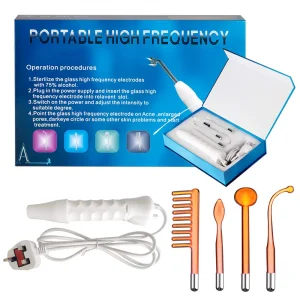
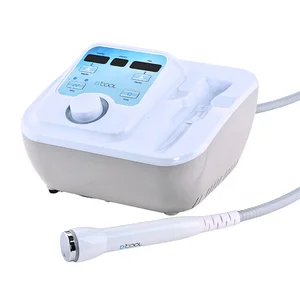
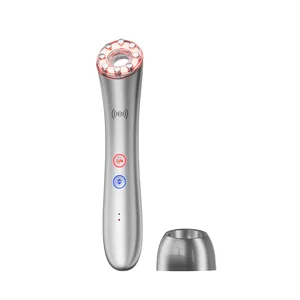
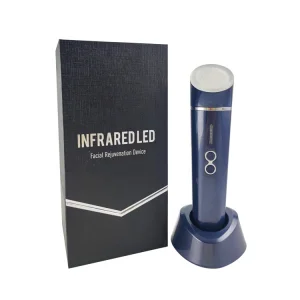
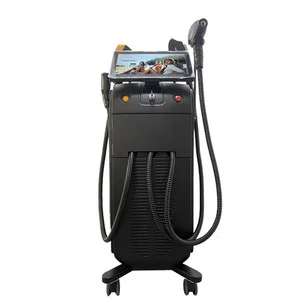
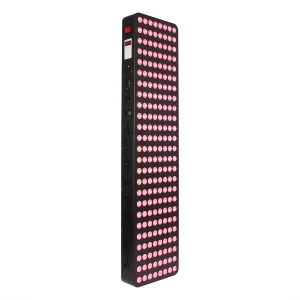
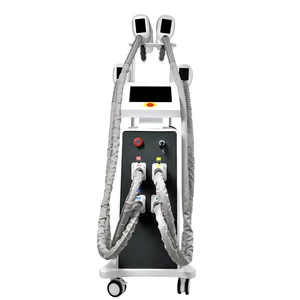
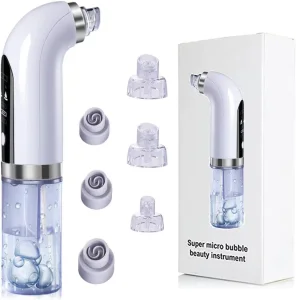
Explore our top-tier, clinically tested skincare and exfoliation systems manufactured to meet rigorous international quality and safety benchmarks.
The global aesthetic market has witnessed a paradigm shift from traditional chemical peels and mechanical scrubs to highly controlled, non-invasive skin exfoliation devices. Modern devices utilize physical modalities such as high-frequency ultrasonic vibrations, microdermabrasion, microcurrents, and electroporation. These methods remove senescent epidermal cells and promote cellular turnover without damaging the deeper dermal layers.
As consumer preference shifts towards home-use clinical treatments, the distinction between professional-grade med-spa systems and portable beauty tools is becoming narrower. This shift has driven global buyers to source multi-functional, reliable, and medically certified devices that combine physical exfoliation with thermal, electrical, and optical therapies.
Guangzhou Luminor Beauty Co., Ltd. represents the peak of contemporary skincare device manufacturing in China, offering comprehensive integration of research, manufacturing, and global exportation.
Founded over 12 years ago, Guangzhou Luminor Beauty Co., Ltd. is a comprehensive enterprise integrating R&D, manufacturing, sales, and after-sales service. The company specializes in the field of aesthetic medical and beauty devices, and has gradually expanded its product portfolio to include both professional-grade equipment and home-use beauty devices.
Guangzhou Luminor Beauty Co., Ltd. has established a strong and complete industrial chain system. The company is equipped with an independent R&D team of more than 20 experienced engineers and researchers, continuously focusing on optical, RF, ultrasonic, and other advanced beauty technologies.
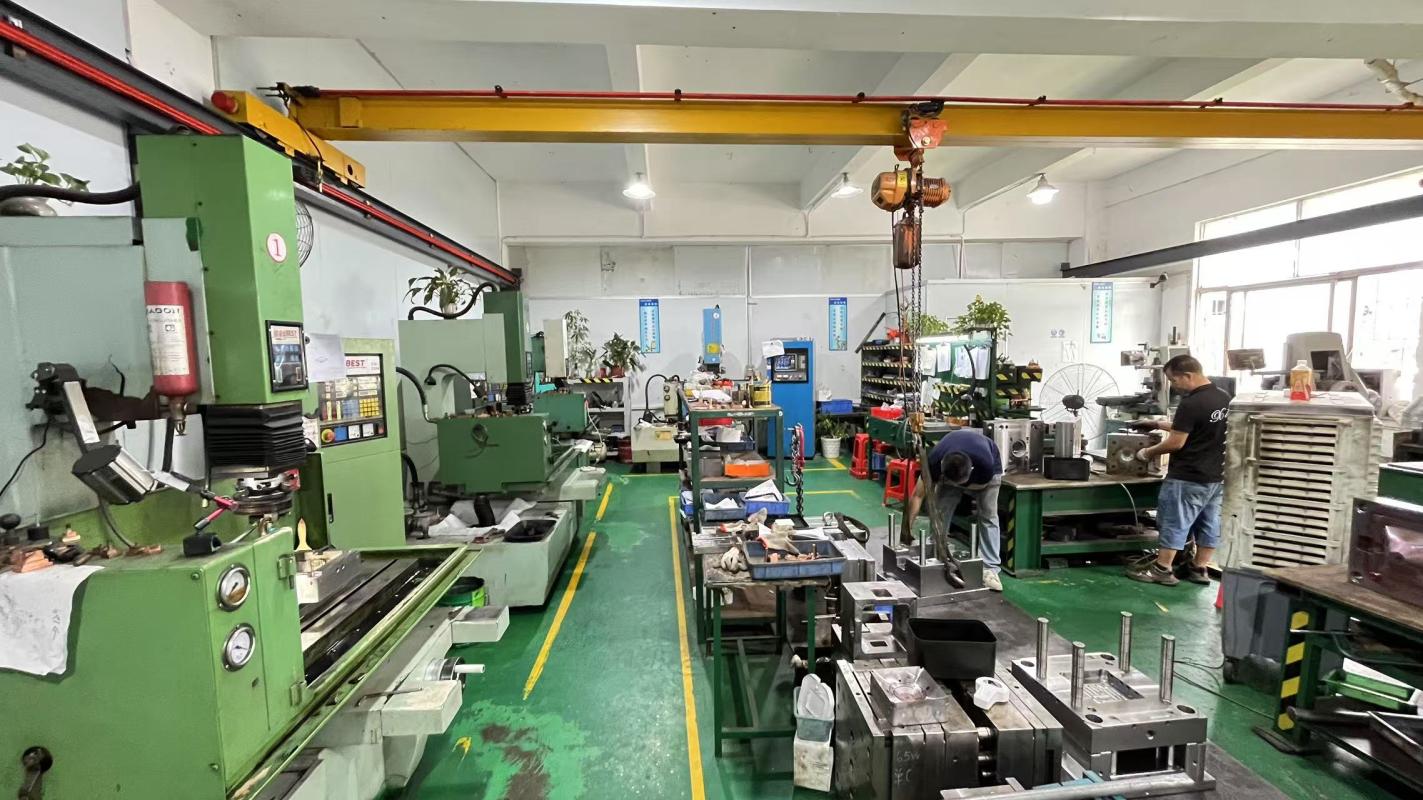
Its production base covers over 4,000 square meters and includes more than 20 modern production lines, supported by a dedicated in-house mold manufacturing department. This allows the company to maintain strict control over product precision, consistency, and innovation speed.
In addition, the company supports comprehensive OEM, ODM, and OBM services, offering flexible customization solutions for global partners. Its products are exported to Europe, North America, Southeast Asia, the Middle East, and other international markets, earning a strong reputation for quality and reliability.
To ensure product safety and compliance, Luminor Beauty implements strict quality control standards throughout the entire production process, including raw material inspection, production monitoring, aging tests, and final product certification.
With a commitment to innovation, safety, and user experience, Luminor Beauty aims to provide high-quality, reliable, and convenient aesthetic solutions for both global beauty professionals and family users.
From custom shell molds, PCBA layouts, and specialized frequencies to tailored packaging, we fulfill diverse global brand requirements with high speed and low development cost.
Every single device undergoes rigorous testing regimes, including 48-hour aging tests, electronic performance profiling, and load trials to verify stability.
We ensure compliance for customs clearances globally. All products meet CE, RoHS, FCC, and related electromagnetic compatibility regulations.
Understanding the strategic advantages of the Pearl River Delta beauty electronics cluster in modern international sourcing.
Guangzhou is the global epicentre of professional and personal aesthetic technology manufacturing. The geographical concentration of high-precision plastic injection houses, specialized printed circuit board assemblers (PCBA), transducer makers, and rapid-prototyping tool makers reduces time-to-market. What takes months elsewhere in terms of engineering validation testing (EVT) and design validation testing (DVT) is completed in weeks within our cluster.
By using automated surface-mount technology (SMT) lines, systematic manual assembly, and highly skilled in-house mold making, Chinese manufacturers maintain tight margins while utilizing premium materials. The inclusion of medical-grade stainless steel tips, biocompatible silicone membranes, and certified lithium-ion cells ensures high reliability at competitive price points.
Our research shows that consumer demand changes rapidly every 12 to 18 months. Chinese manufacturers adapt to these demands by continually updating design profiles, introducing wireless induction charging, integrating IPX7 waterproof standards, and building multi-functional systems. These features allow global brands to stay competitive and maintain a fresh product catalog.
Whether adjusting voltage controls for the North American market, conforming to strict EU RoHS chemical restrictions, or tailoring dimensions for Japanese retail counters, we specialize in adapting aesthetics and functionalities to meet specific regional requirements.
A technical breakdown of skin treatment methodologies utilized in our current product catalog.
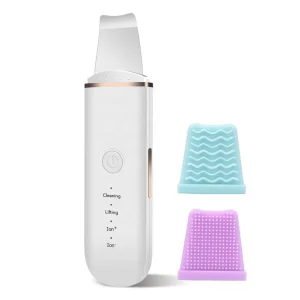
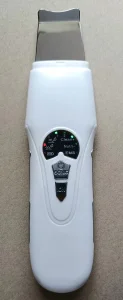
Ultrasonic scrubbers work via high-frequency micro-vibrations that trigger the cavitation of water molecules. When water applied to the skin meets the device's spatula tip, it atomizes instantly. This process removes sebum, cellular debris, and cosmetic residue from the follicular infundibulum without physical irritation.
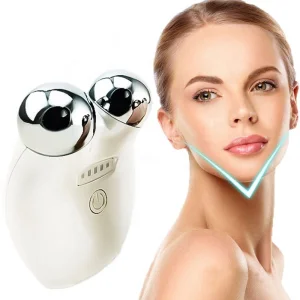
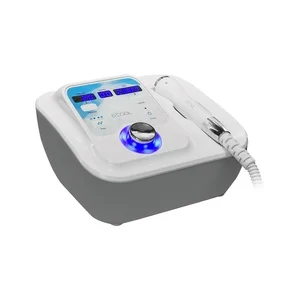
While exfoliation prepares the skin by removing the stratum corneum barrier, microcurrent therapies and electroporation facilitate subsequent nutrient delivery. Electroporation uses electrical pulses to temporarily open microscopic pathways in the cell membranes, significantly increasing the absorption of topical skin care formulations.
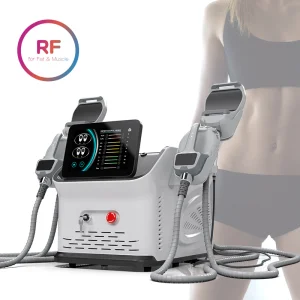
RF technology generates deep heat in dermal tissue, causing immediate collagen contraction and stimulating new collagen synthesis. When paired with cold cryotherapy, these devices soothe irritated skin, reduce redness, and tighten pores after exfoliation. This combination is essential for post-exfoliation skin recovery.
Photobiomodulation is a key component of modern aesthetic treatment plans. The 660nm red light accelerates cellular repair in the epidermis, while the 850nm near-infrared light penetrates deeper tissue layers. This stimulates fibroblasts, reduces inflammation, and improves overall skin texture.
From raw plastic resins to high-precision circuit board soldering, take an step-by-step look at our advanced manufacturing floor.
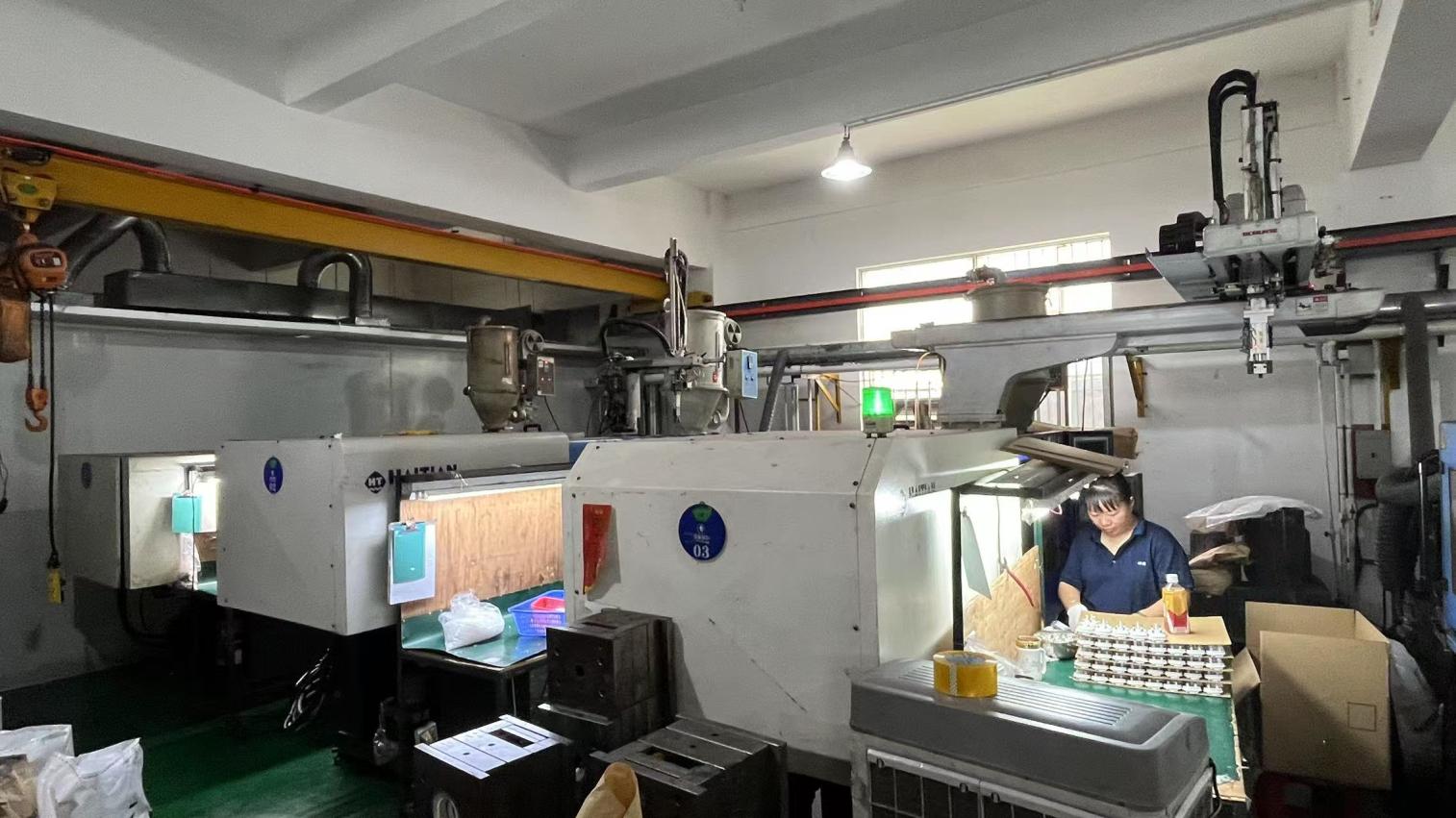
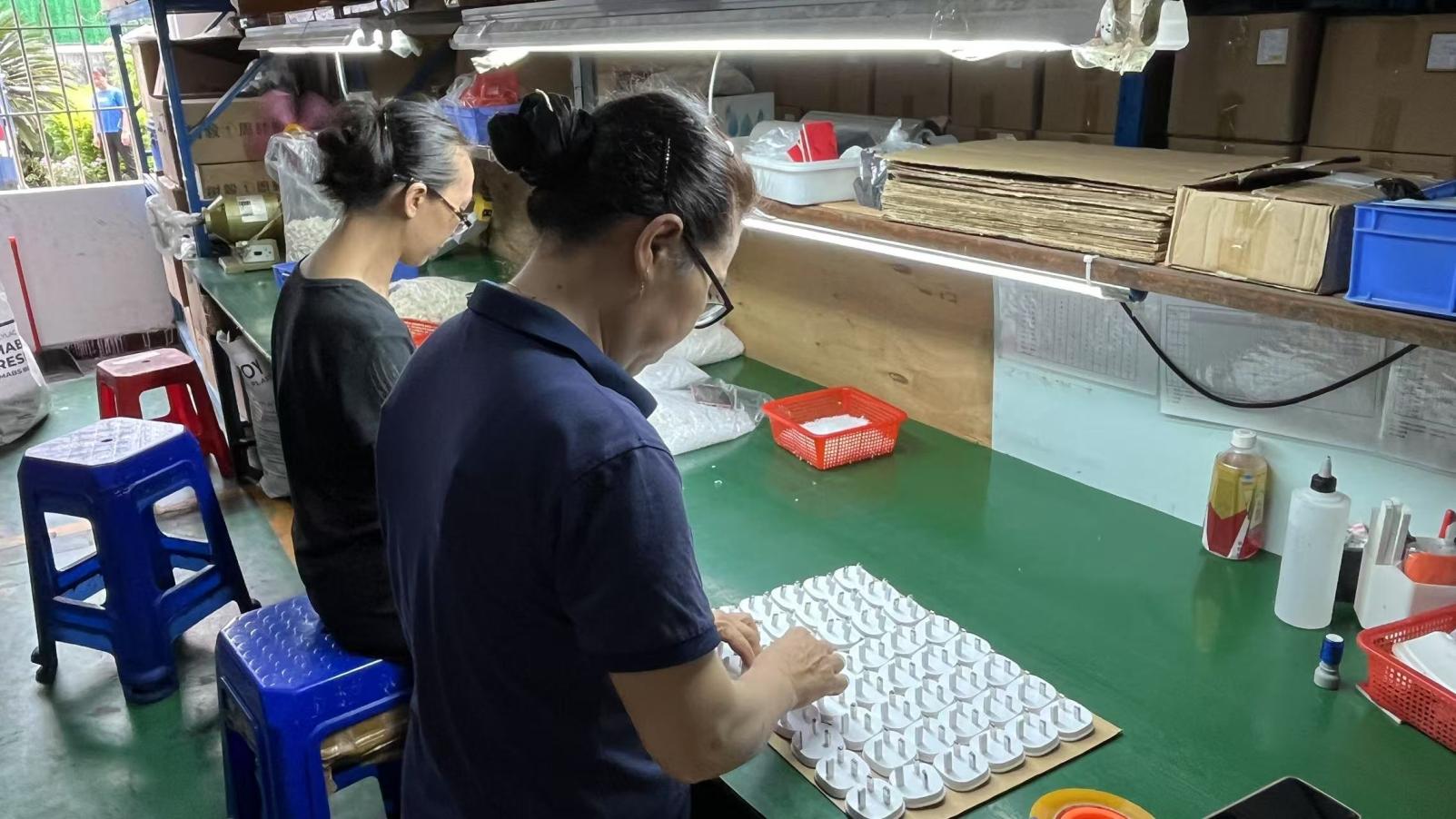
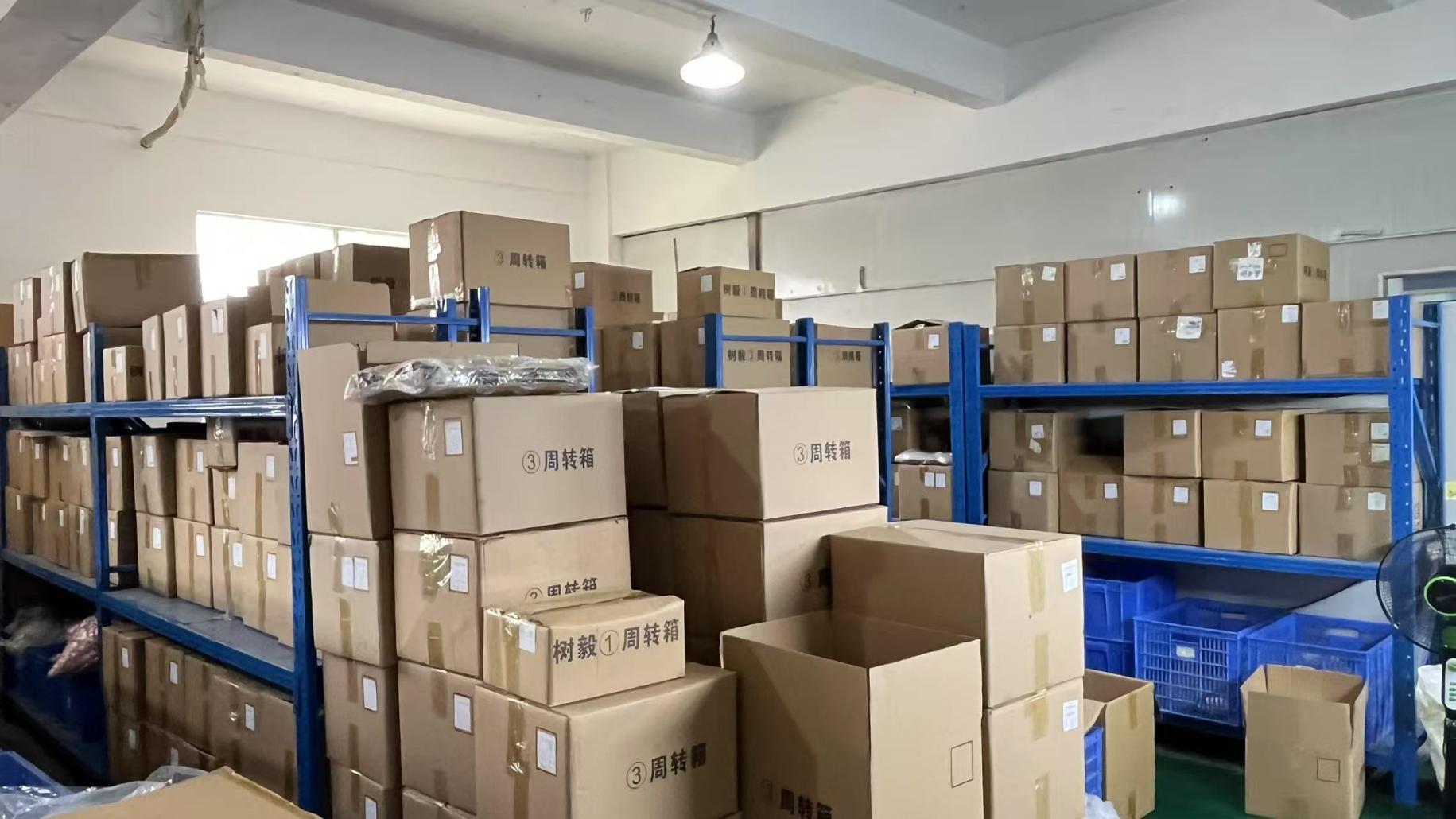
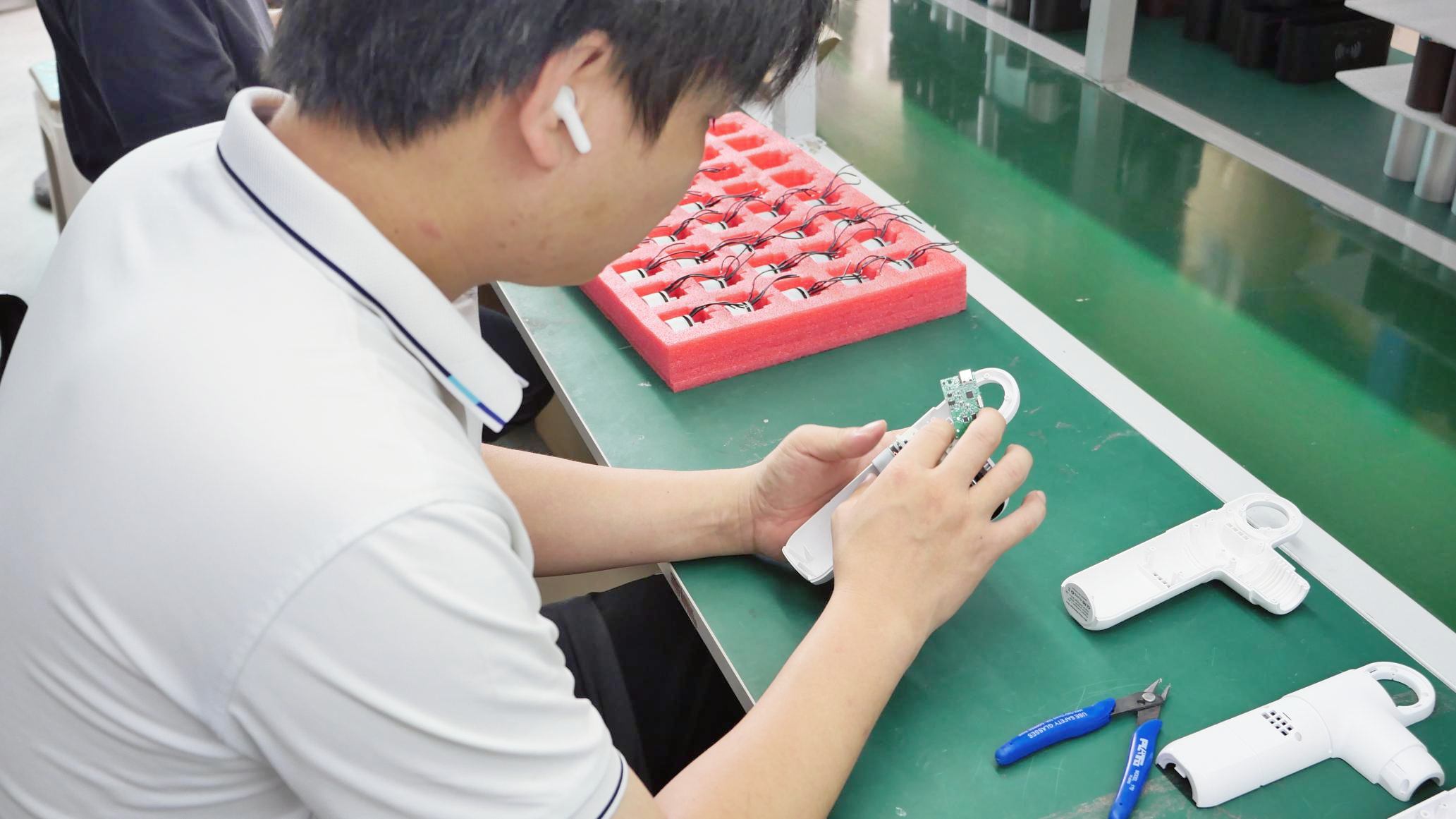
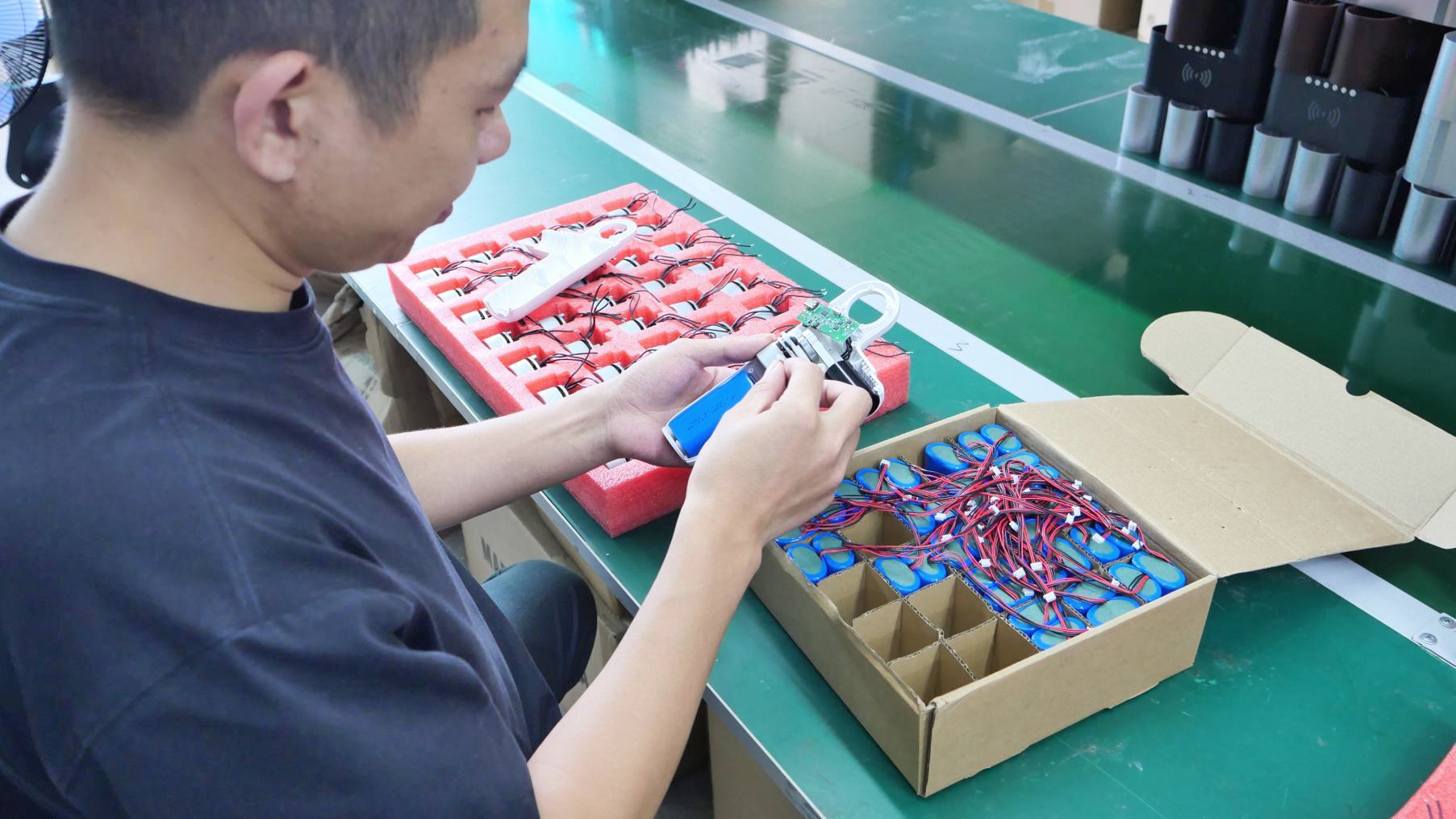
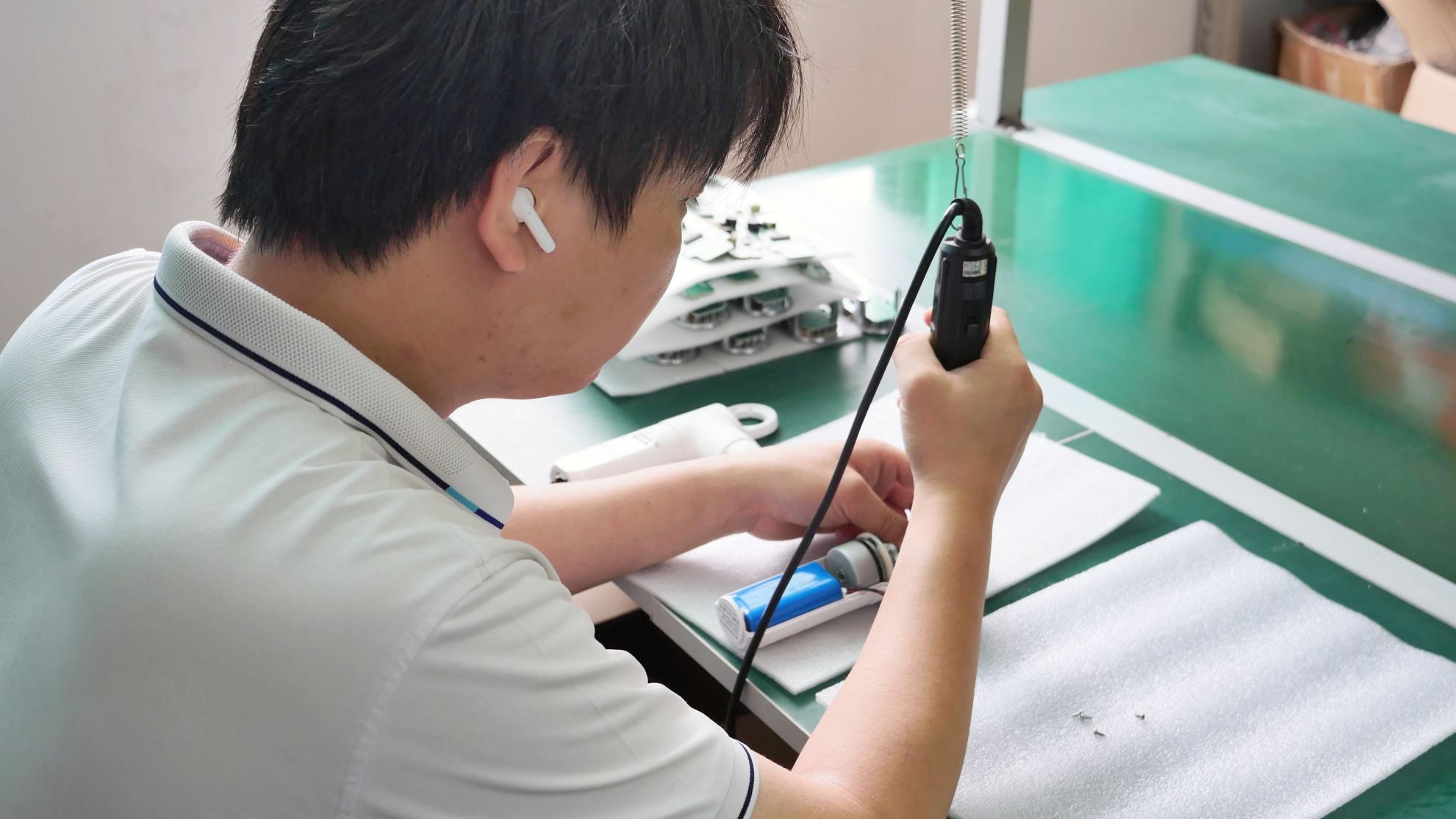
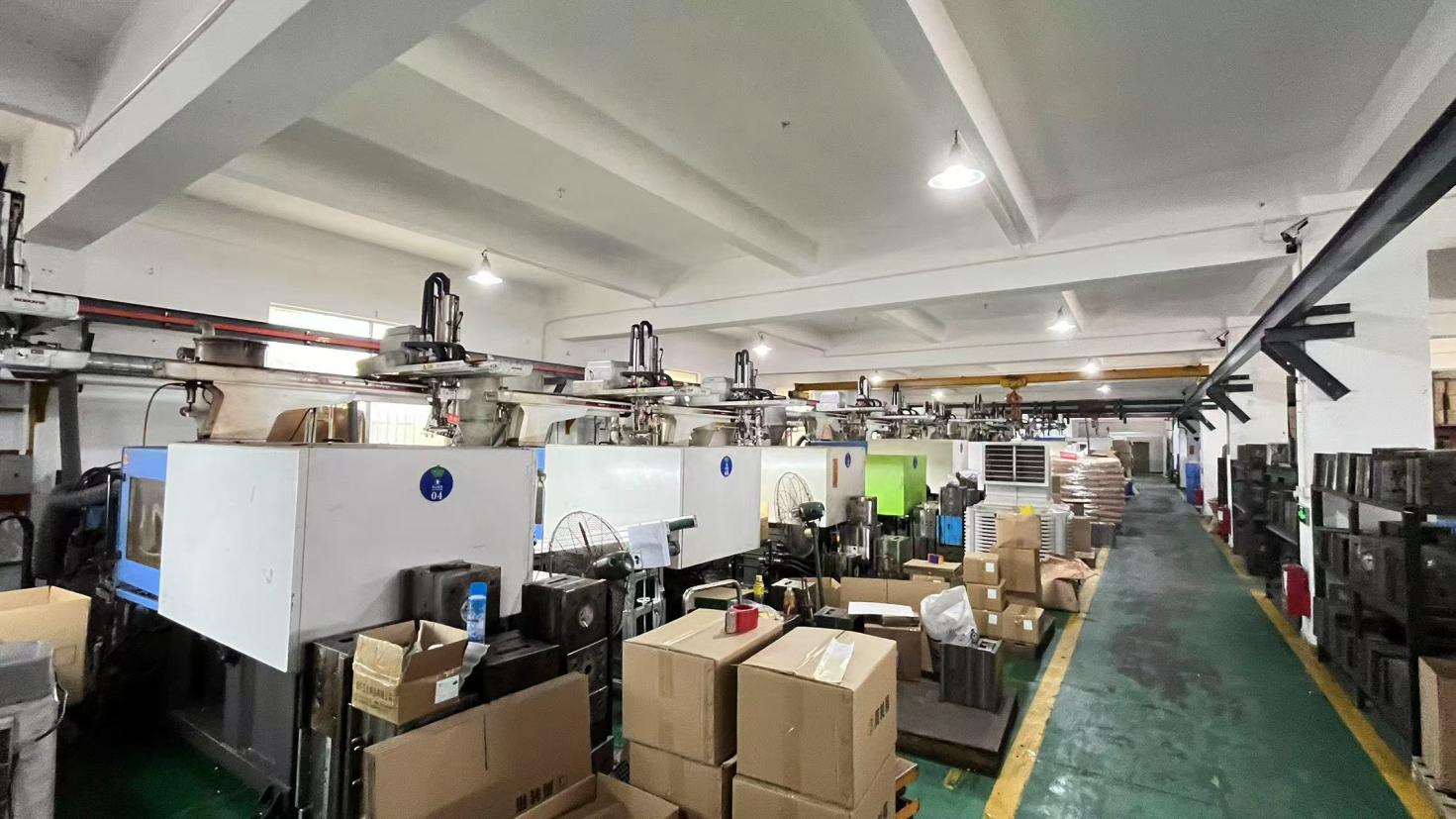
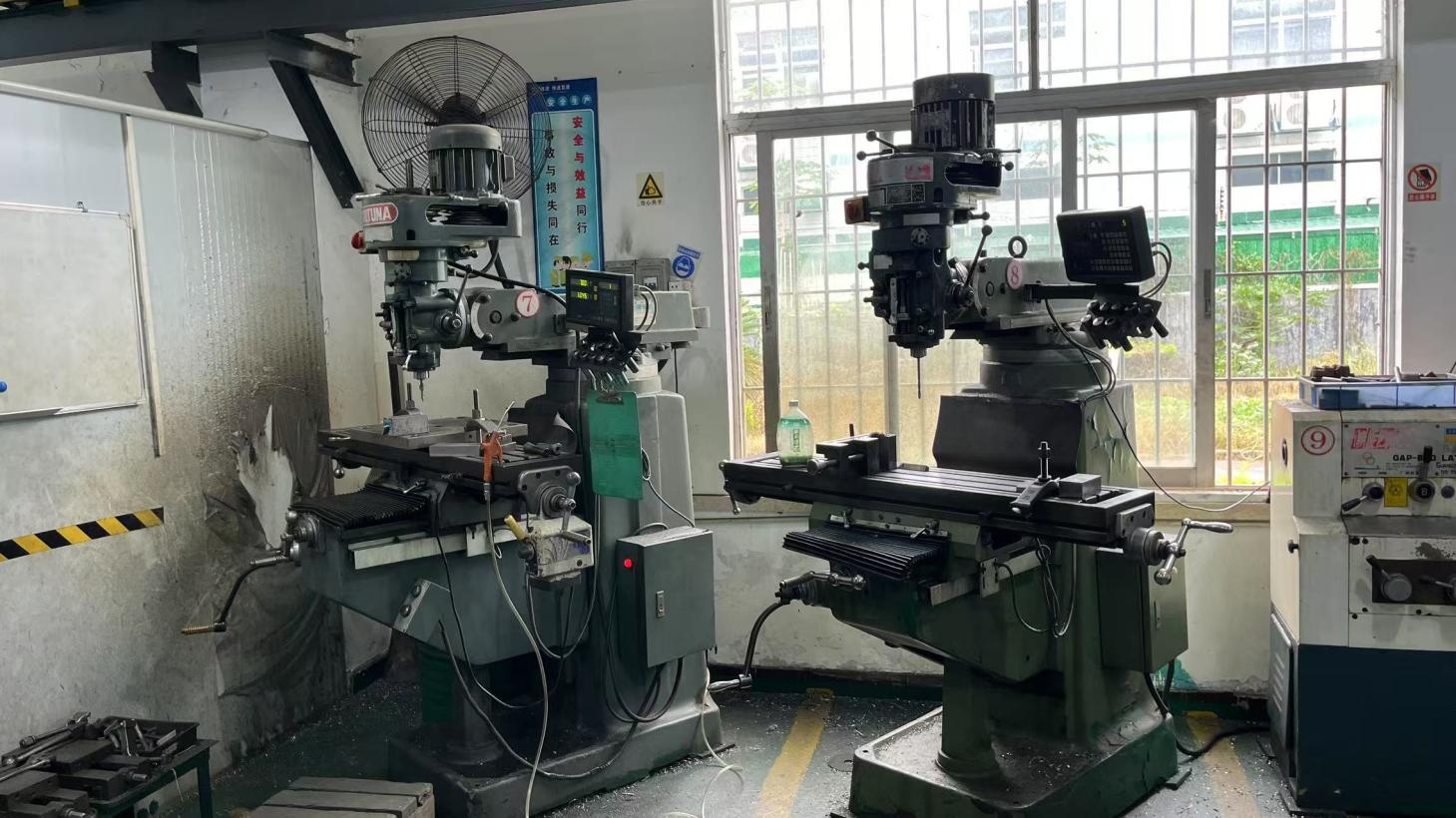
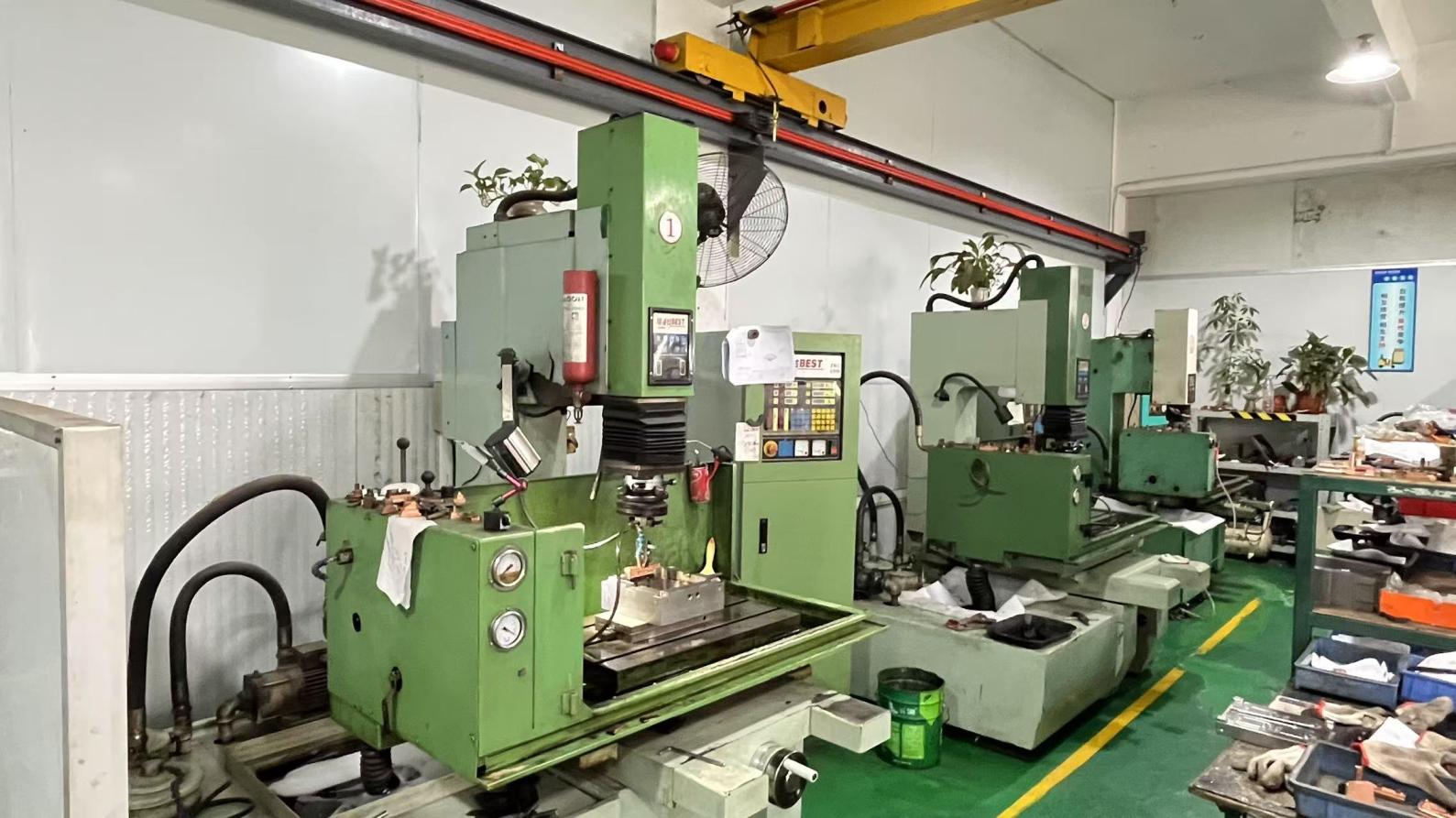
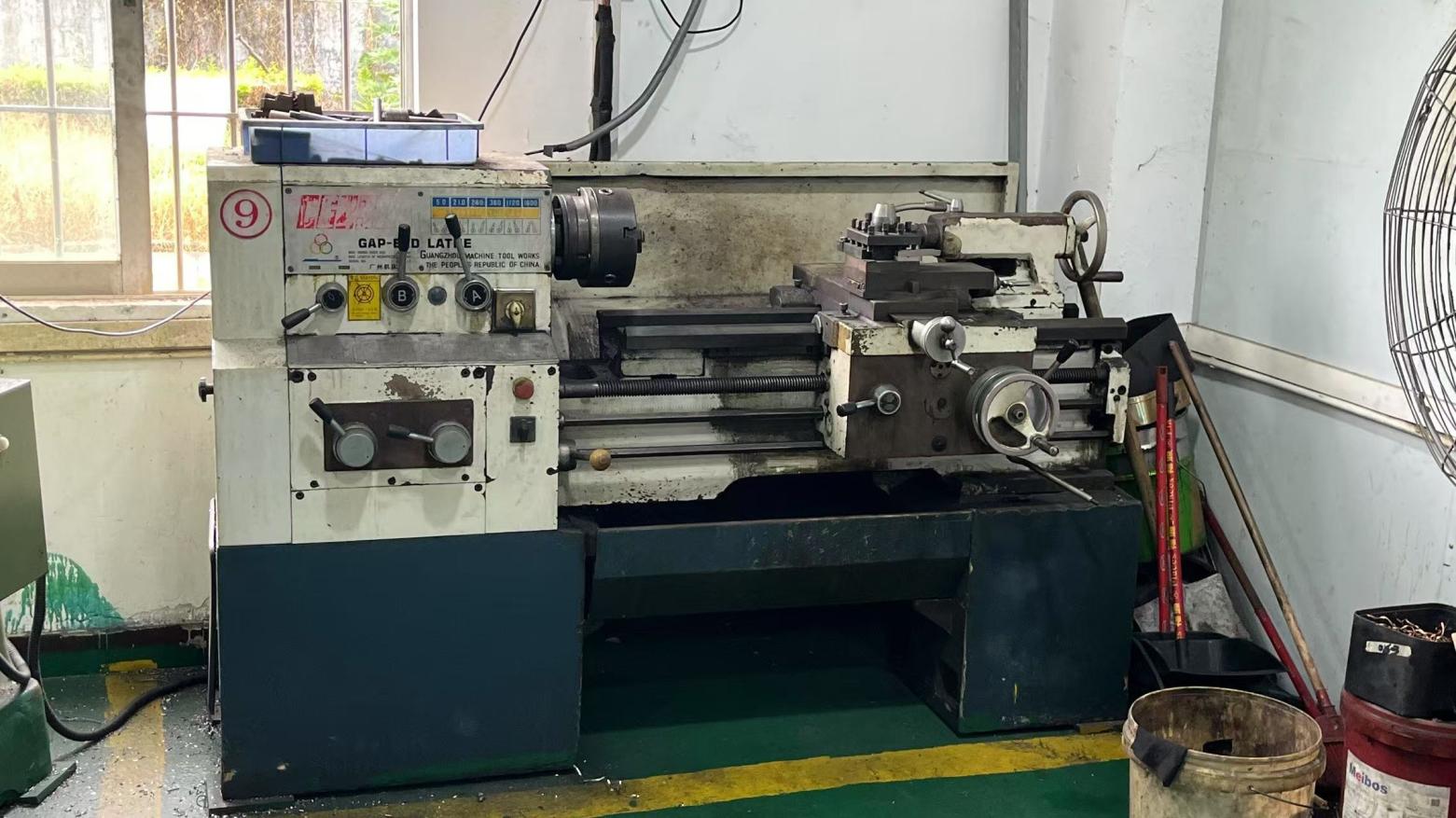
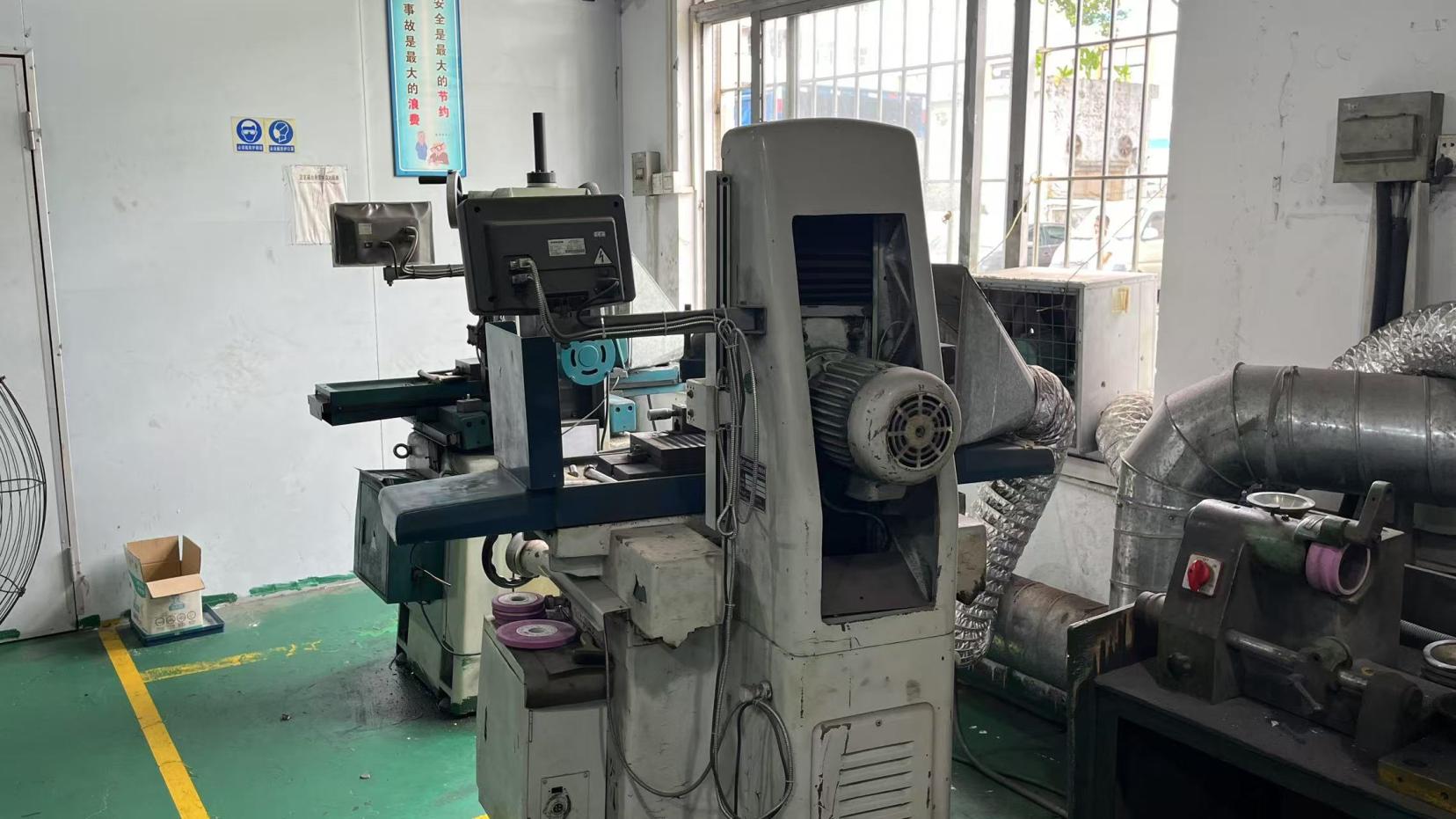
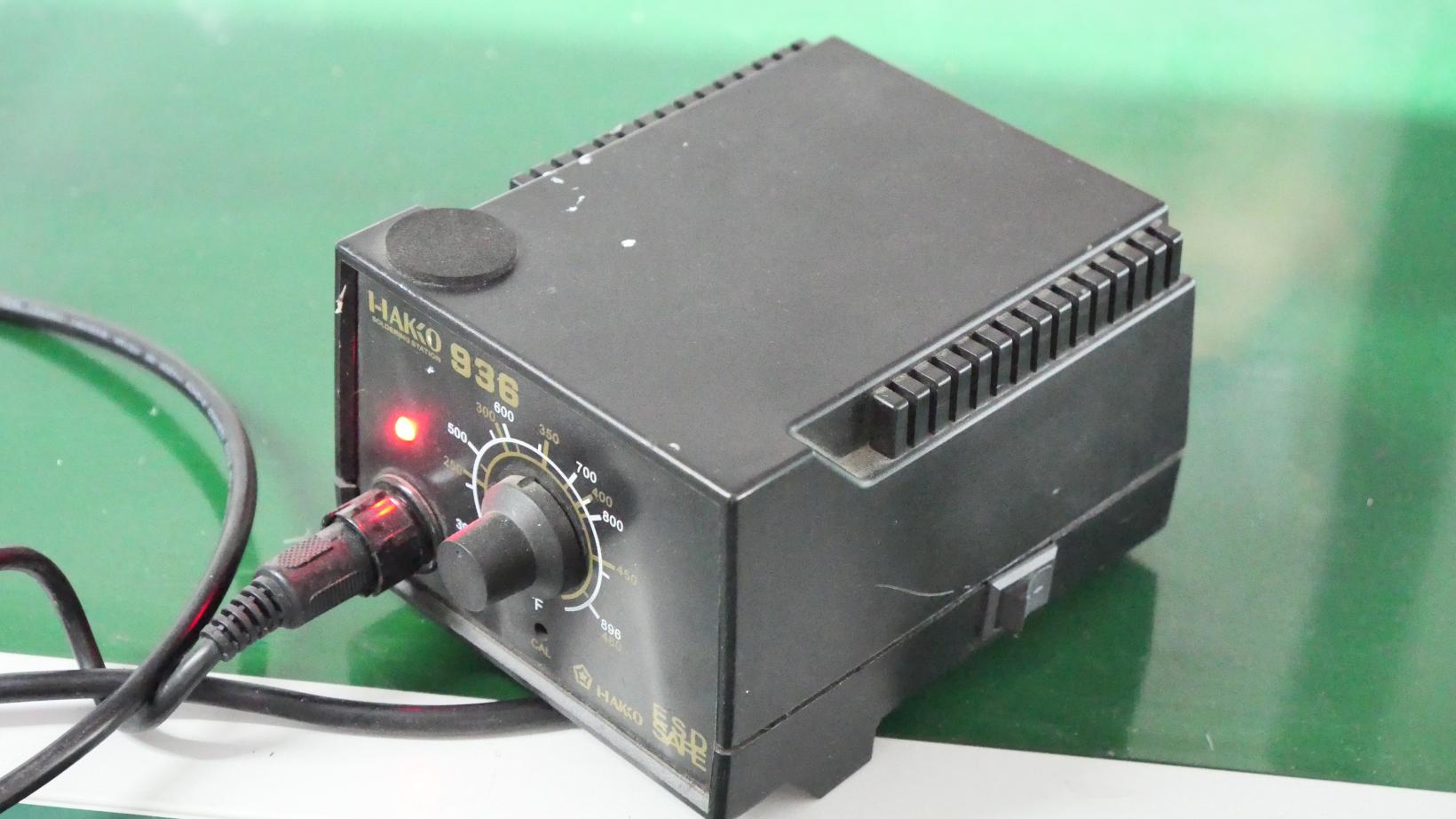
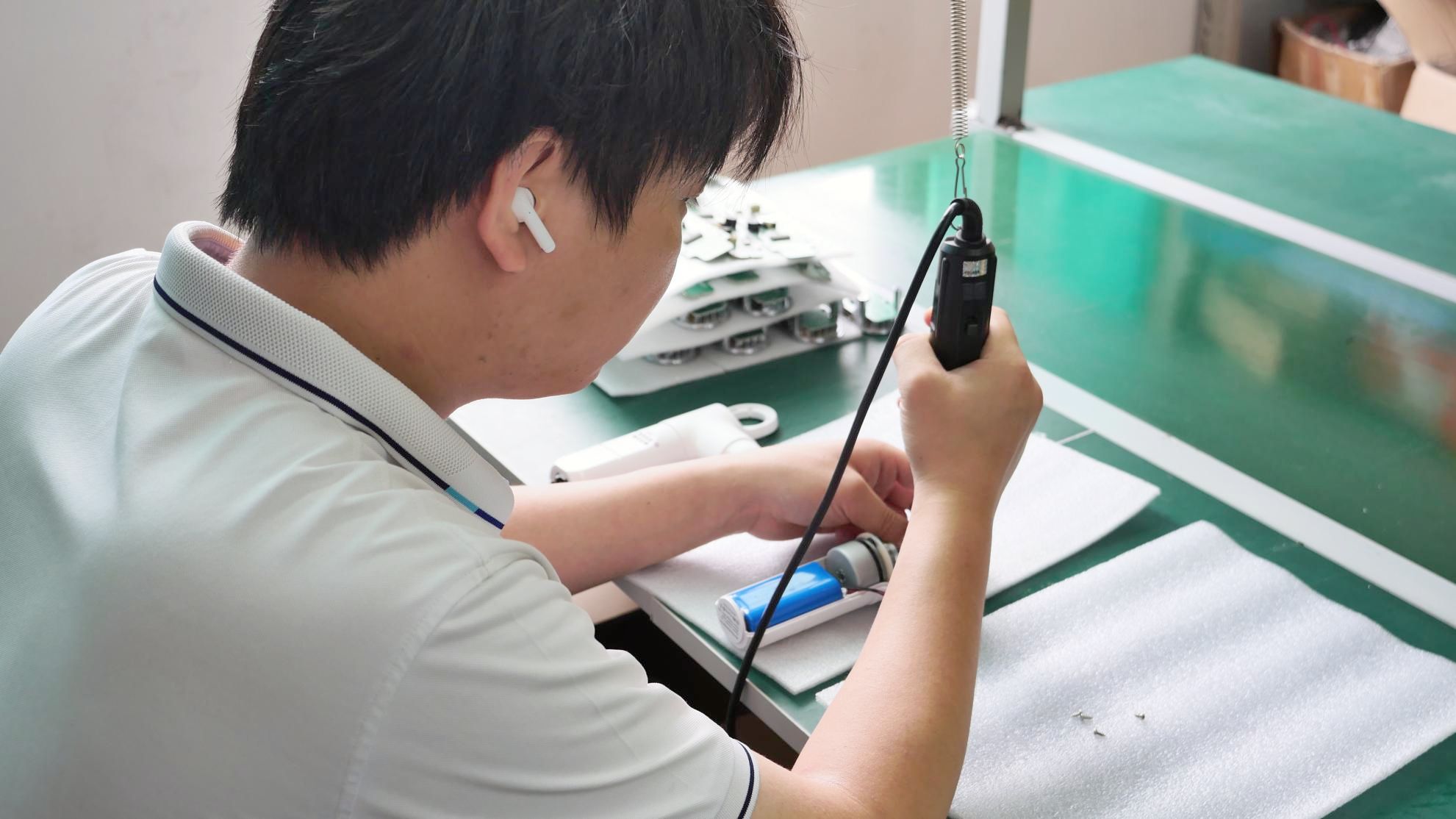
A reference guide for purchasing managers, product developers, and brand owners sourcing skin exfoliation equipment.
Exporting personal beauty electronics globally requires navigating complex regulatory standards. To sell in the European Union, products must bear the CE mark, indicating compliance with the Low Voltage Directive (LVD) and Electromagnetic Compatibility (EMC) guidelines, alongside RoHS verification for hazardous materials. For the US market, FCC certification is mandatory for electromagnetic emissions, while FDA listing or clearance may be required depending on product classifications (such as Class I/II devices).
Our manufacturing facility has established a thorough Quality Management System that aligns with these international requirements. This system helps prevent customs delays, reduces liability risks, and guarantees long-term consumer safety.
When selecting a manufacturer, evaluate their quality control infrastructure. Professional factories employ a multi-stage QA/QC approach:
Find answers to key technical, commercial, and operational questions about manufacturing skin exfoliation devices.
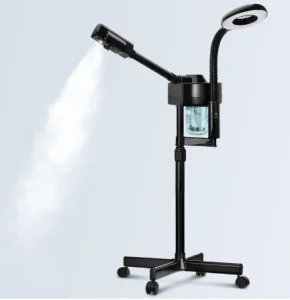
Discover our professional-grade systems designed for clinics, medical spas, and high-frequency cosmetic applications.
 Luminor Beauty