
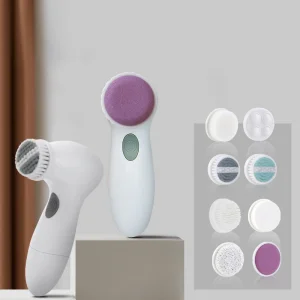
Top China Facial Exfoliator Factories & Supplier

High-End Aesthetic & Home-Use Facial Exfoliation Hardware: A Deep-Dive Sourcing Guide & Industrial Capability Report

The Landscape of Modern Facial Exfoliation Technology

Facial exfoliation has evolved far beyond basic mechanical scrubs. In the modern global skincare market, advanced exfoliation devices integrating sonic micro-vibrations, vacuum hydro-dermabrasion, microcurrents, and warm/cold plasma technologies are replacing traditional manual skin care tools. For beauty product distributors, global brand owners, and clinic networks, choosing the right production partner is critical.

As leading skincare brand managers know, consumer demand for clinical-grade skincare results at home has triggered massive growth in specialized beauty hardware. Sourcing hardware that can consistently deliver safe, effective epidermal desquamation requires working with factories that possess deep engineering capabilities. Rather than simply packaging off-the-shelf components, tier-one manufacturers focus on the fluid dynamics of hydro-peels, the precise resonance frequency of sonic motors, and the biocompatibility of facial-contact materials.

Guangzhou, China, stands as the global epicentre of aesthetic medical and home-use beauty device engineering. Factories in this region have transitioned from basic contract assembly to high-end engineering hubs that execute complex OEM, ODM, and OBM contracts. By integrating optical, radiofrequency (RF), mechanical, and material science disciplines under one roof, these suppliers are uniquely positioned to offer unmatched speed-to-market and technological innovation.

12+
Years R&D Experience
4,000+
Factory Area (sqm)
20+
Professional Engineers
20+
Modern Production Lines

Guangzhou Luminor Beauty Co., Ltd.: Core Competencies and Production Capabilities

Founded over 12 years ago, Guangzhou Luminor Beauty Co., Ltd. is a premier comprehensive enterprise integrating R&D, precision manufacturing, global sales, and structured after-sales support. Luminor specializes in medical-aesthetic equipment and high-performance home beauty devices, establishing a bridge between professional clinical efficacy and safe consumer application.

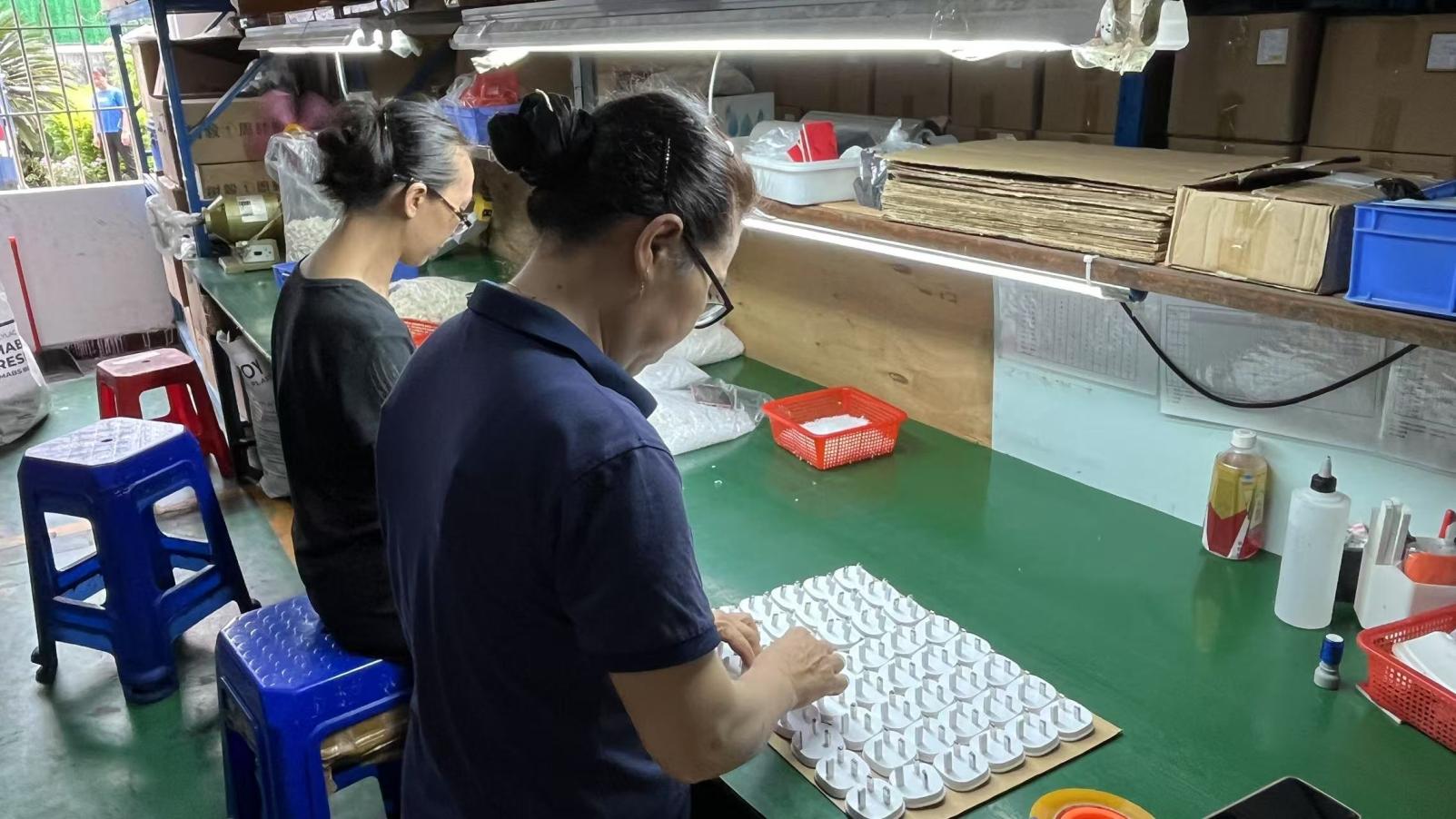
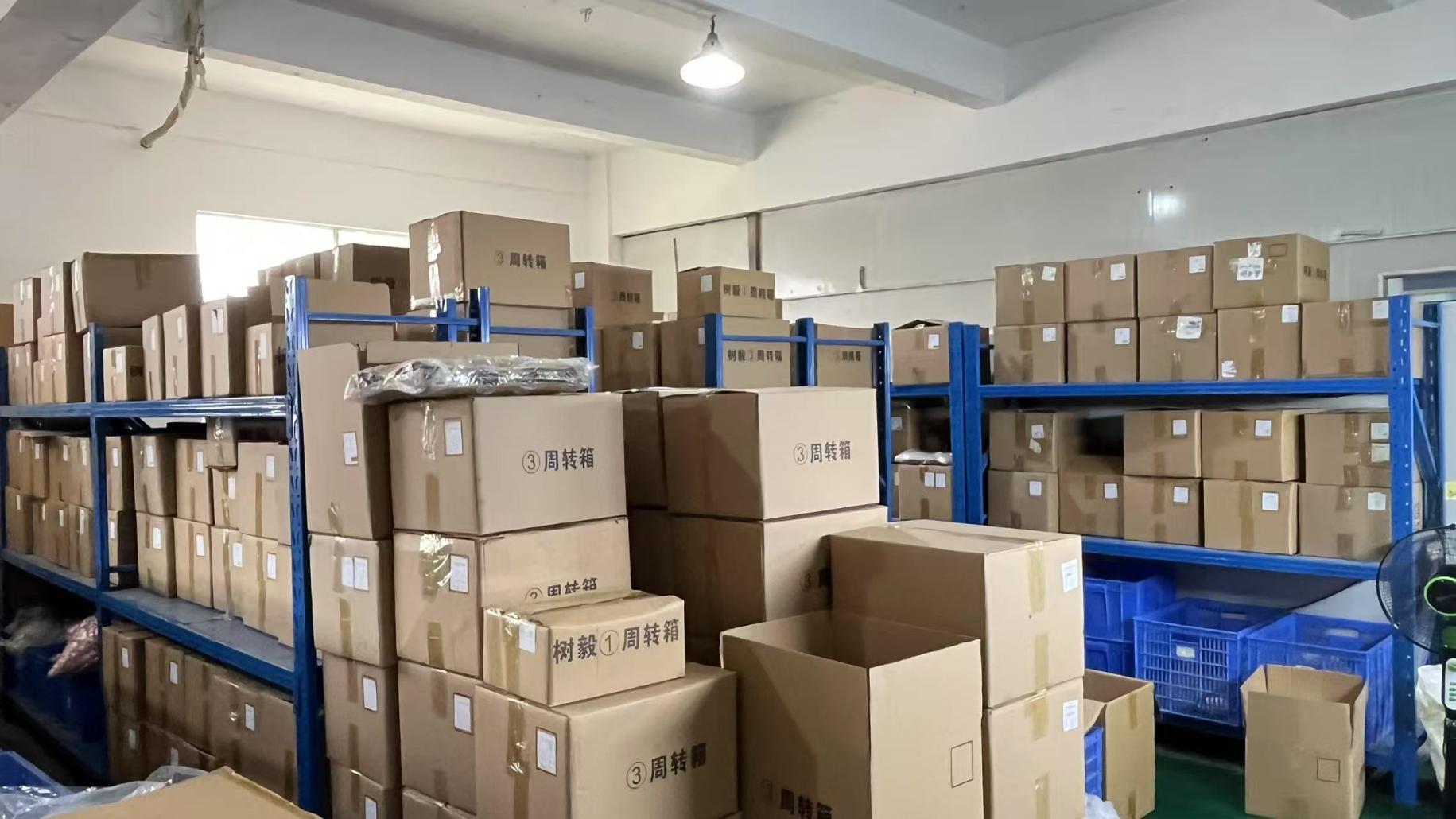
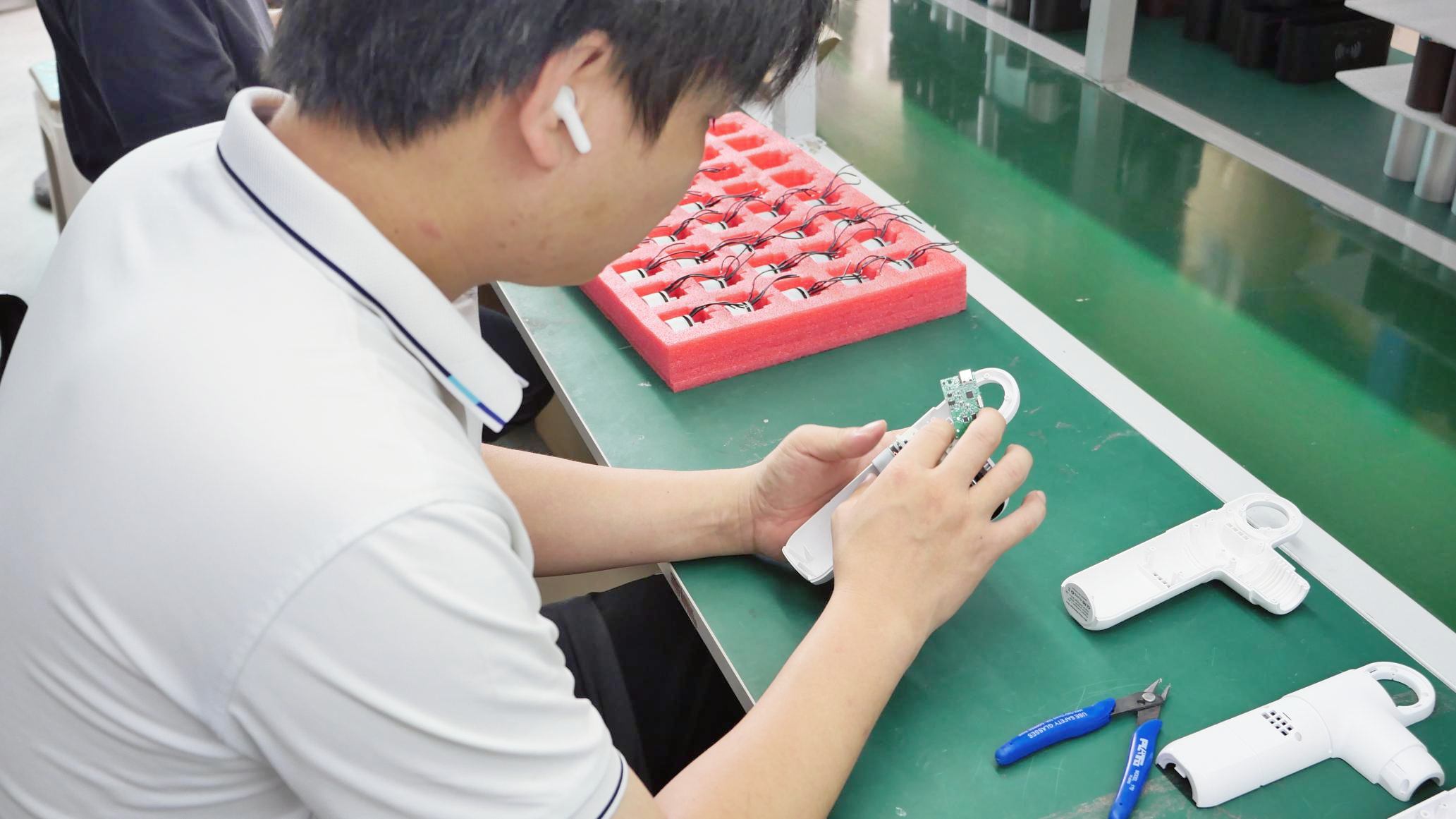
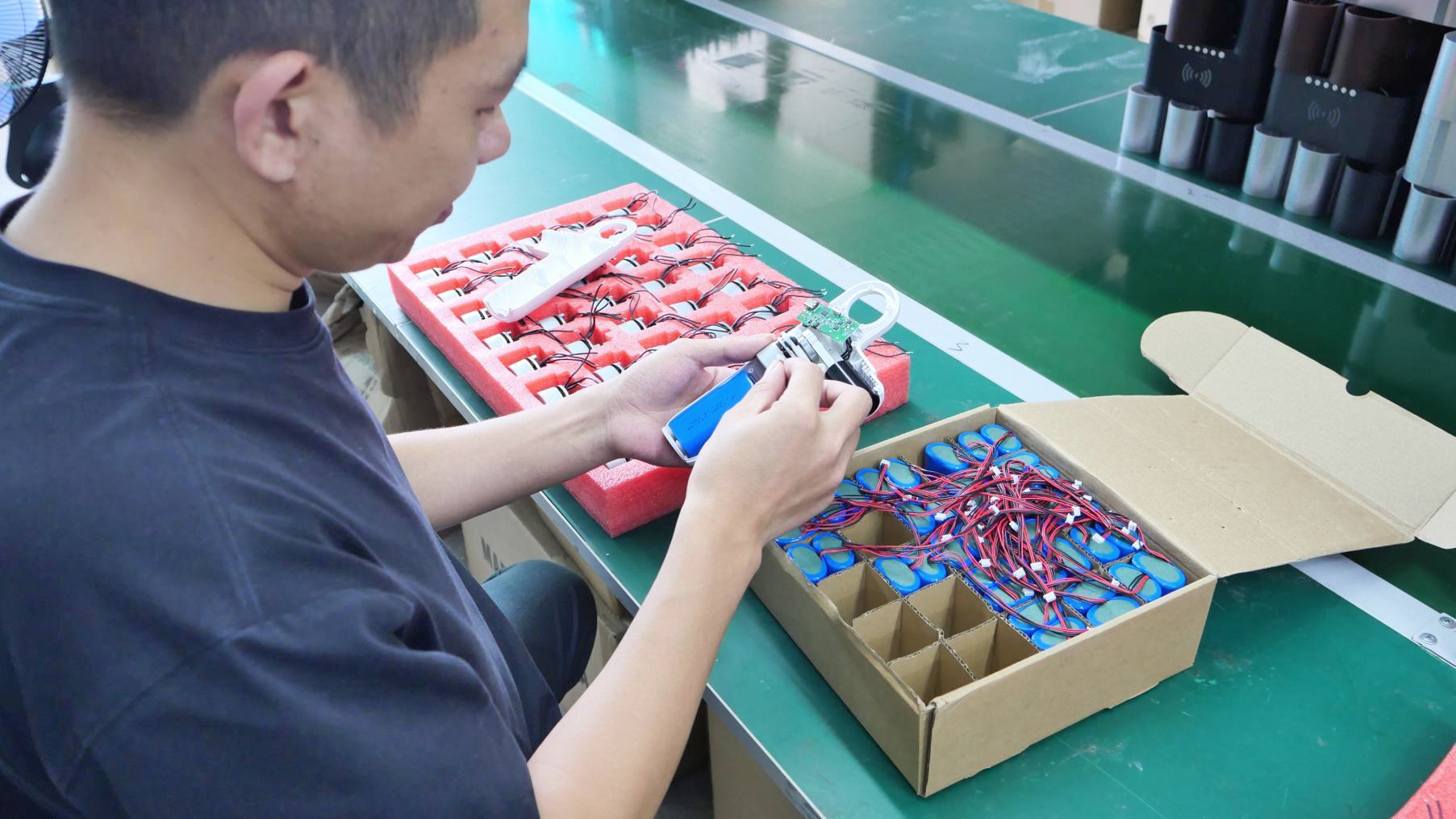
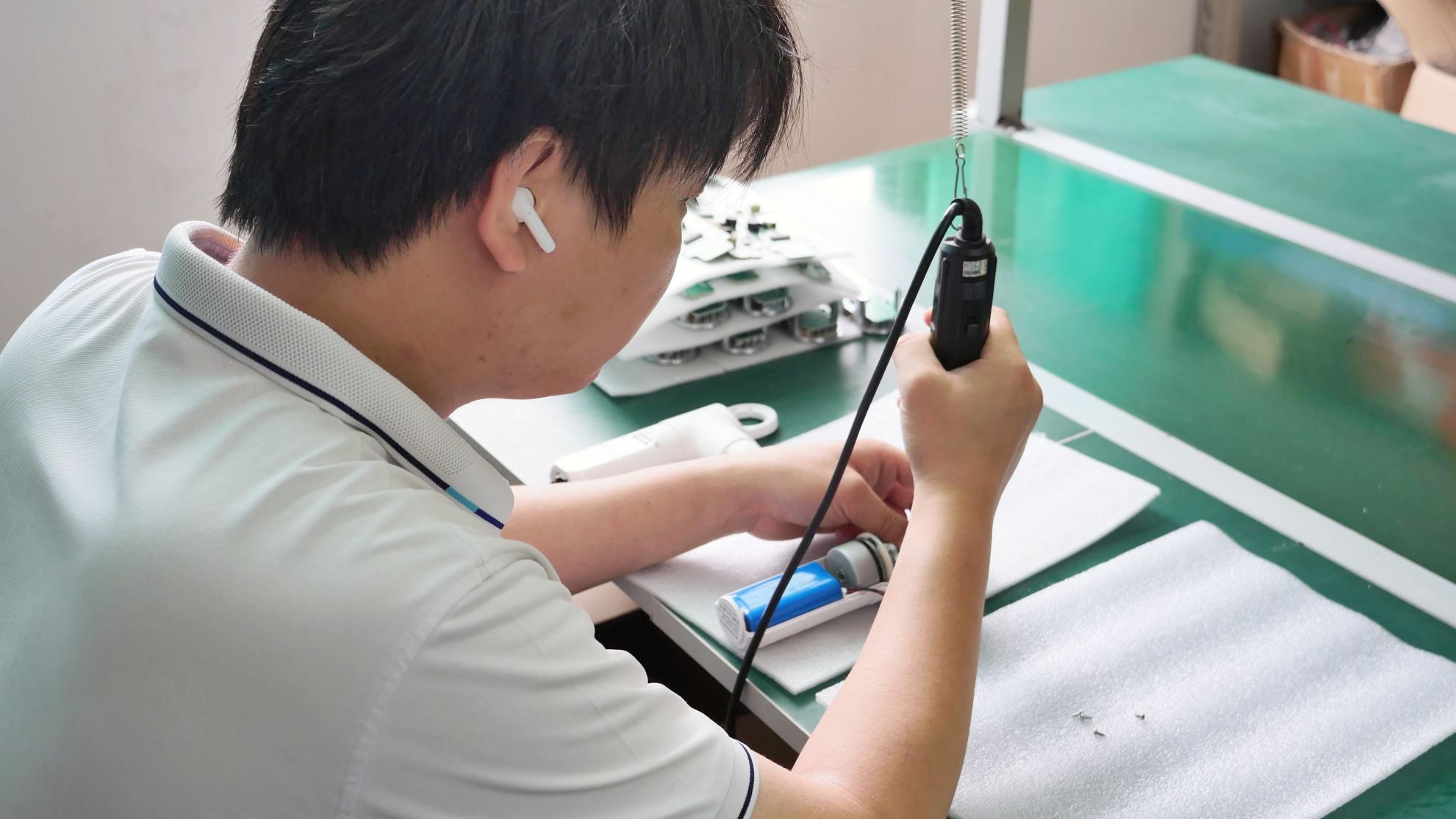
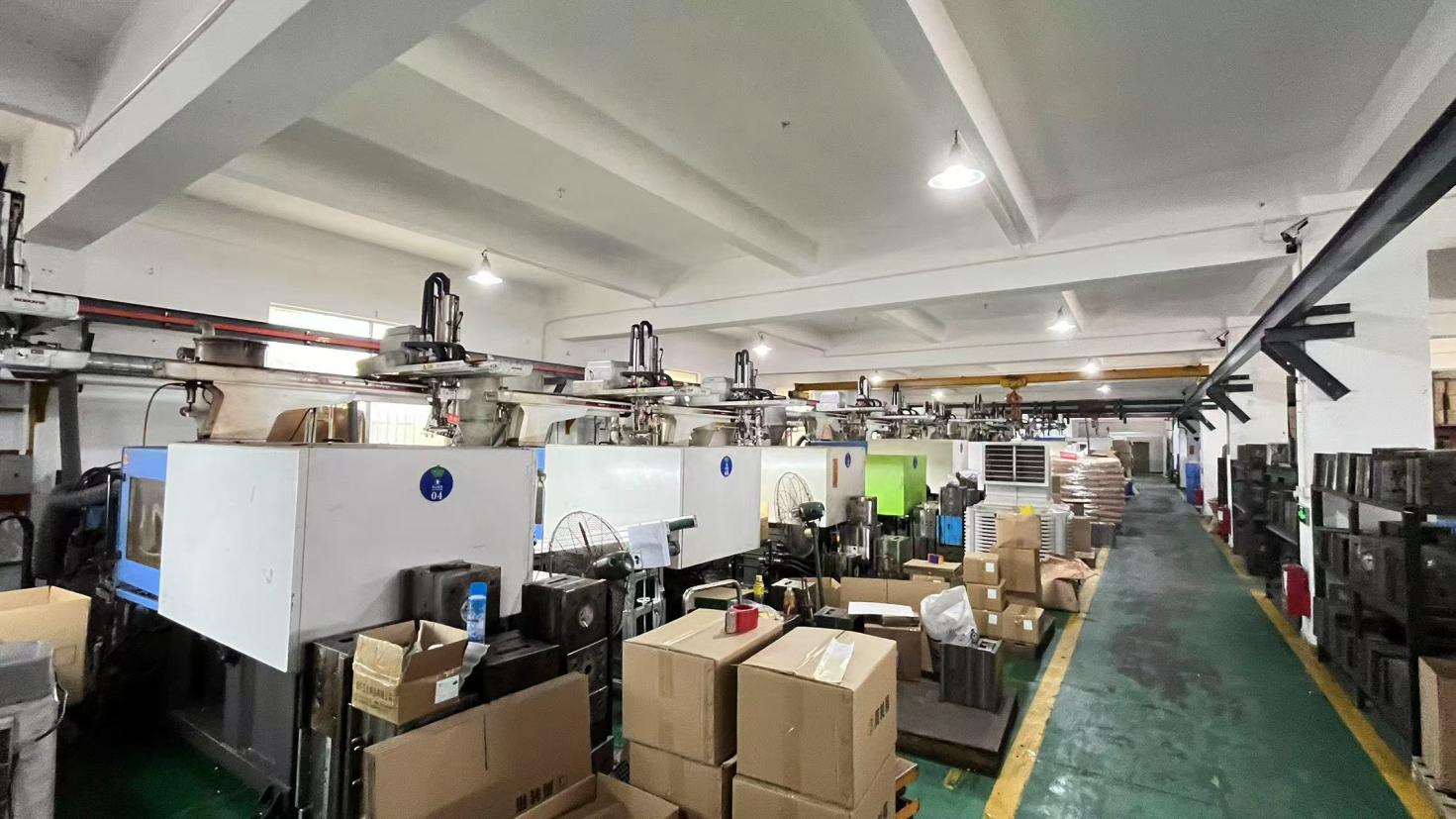
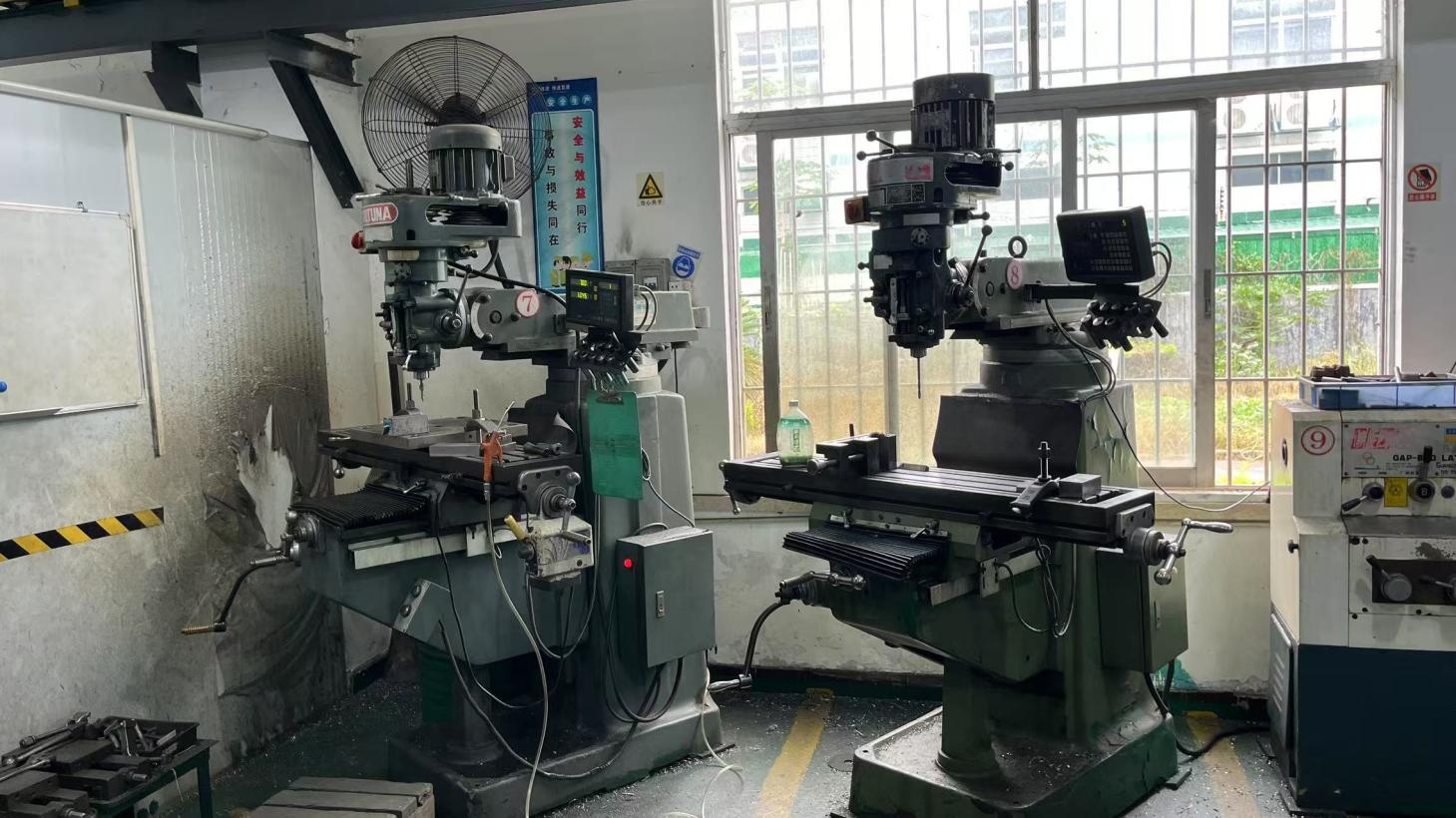
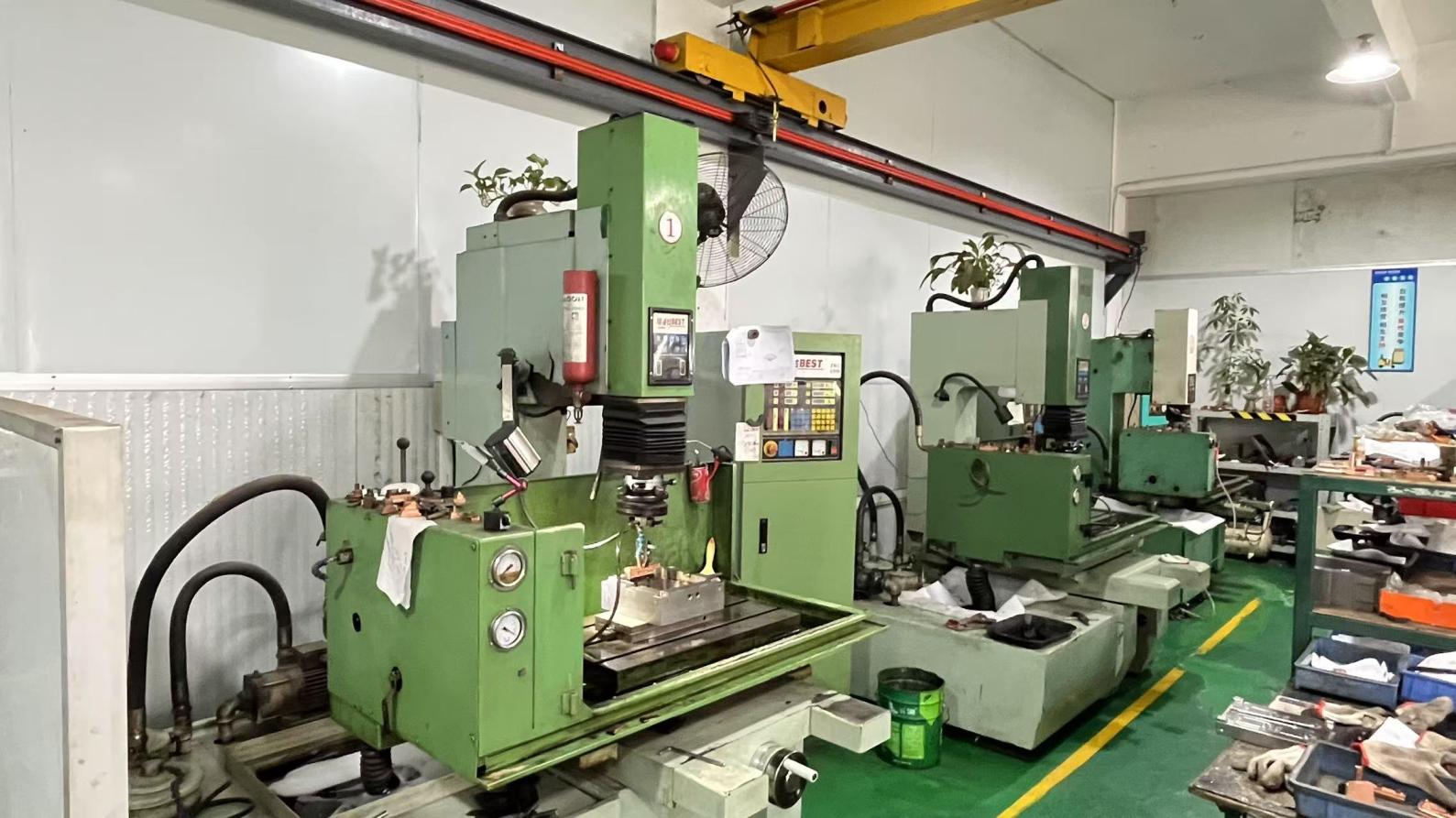
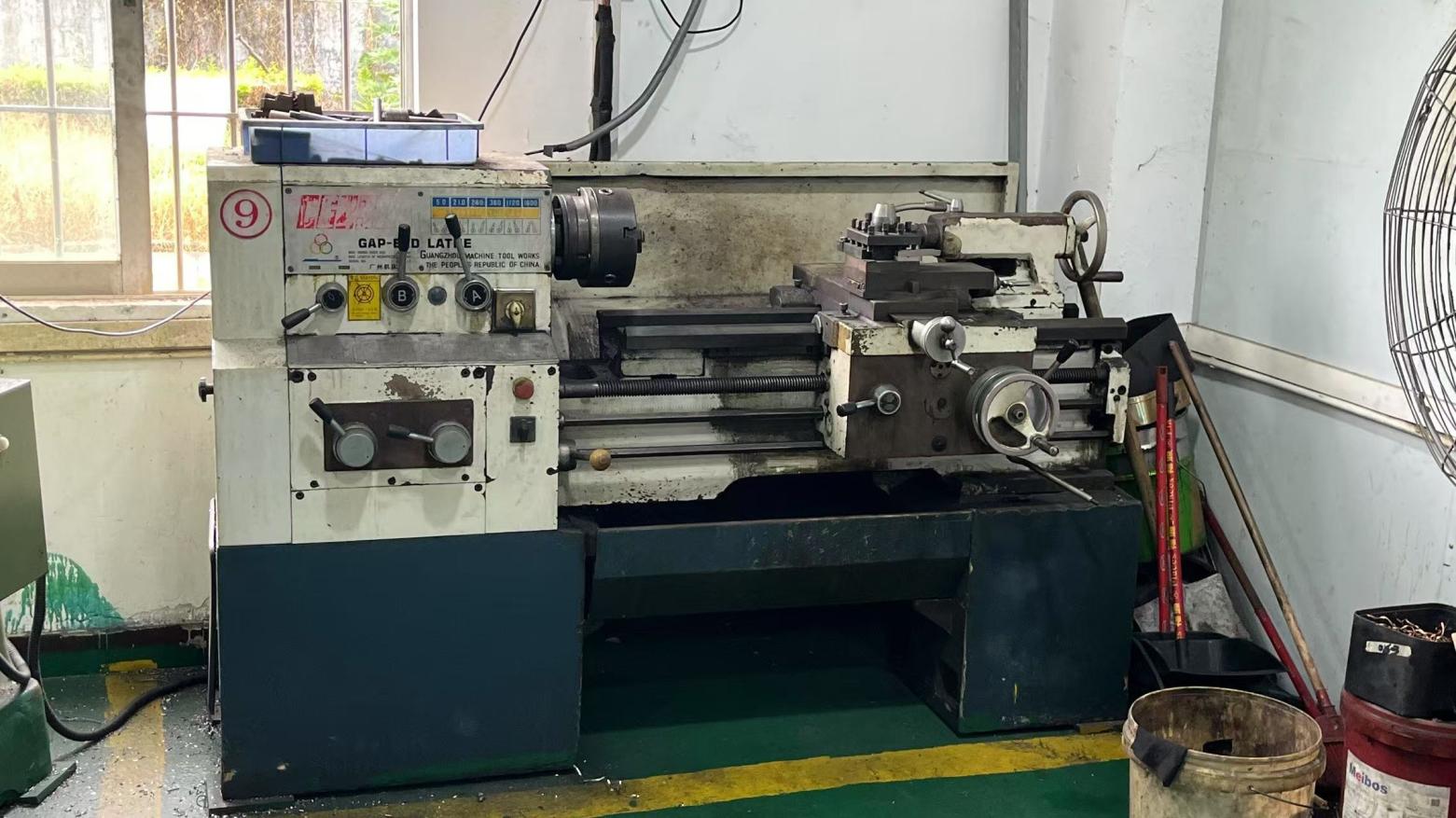
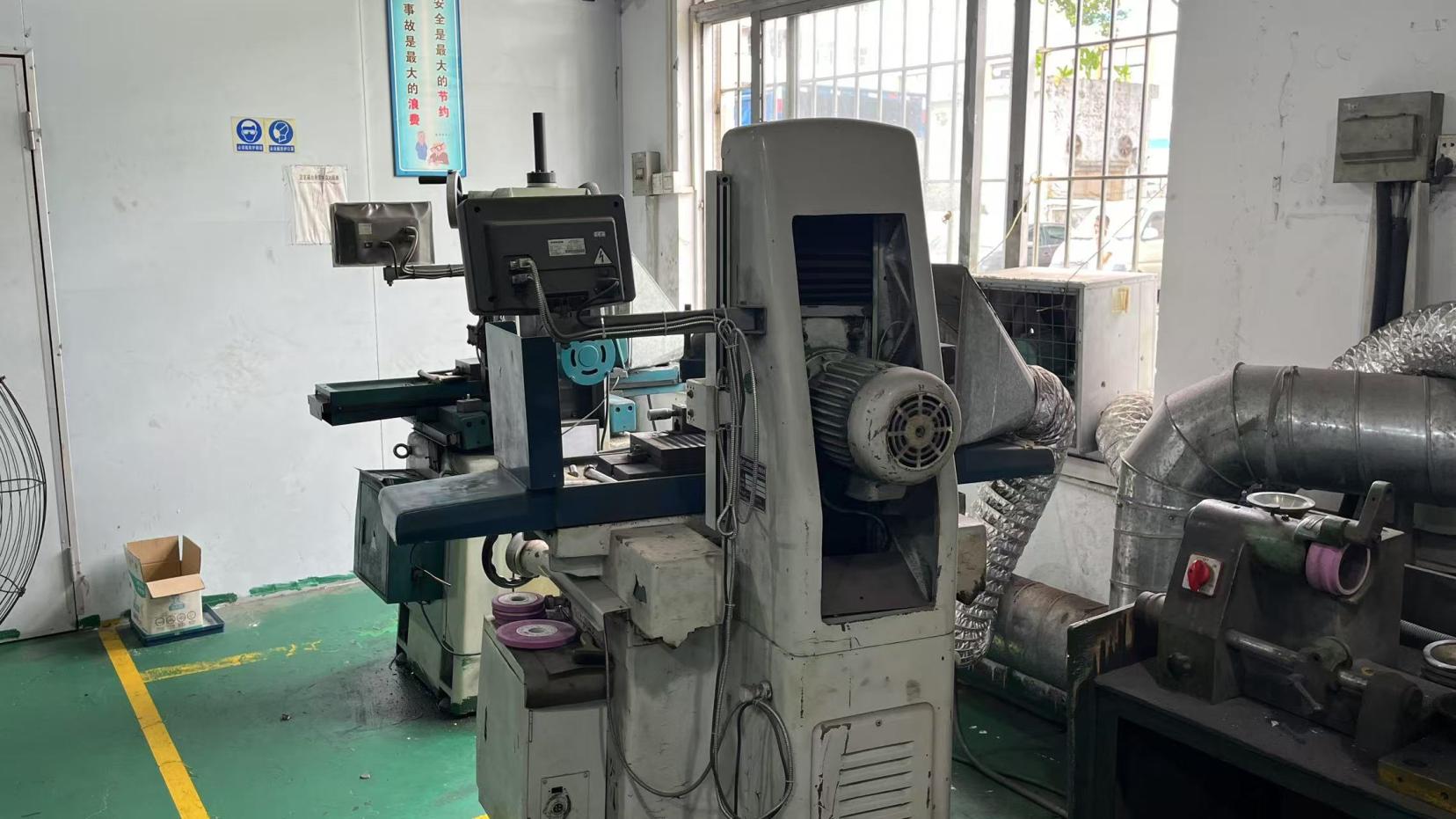
Luminor Beauty operates a state-of-the-art production facility covering more than 4,000 square meters. The plant runs more than 20 modern production lines backed by a fully equipped in-house tooling and mold fabrication department. By owning the tooling phase, Luminor has absolute control over product tolerances, structural integrity, and ergonomic styling. This in-house tooling capability significantly reduces the development cycle for ODM projects, allowing international buyers to bring custom designs to market up to 40% faster than typical outsourcing timelines.
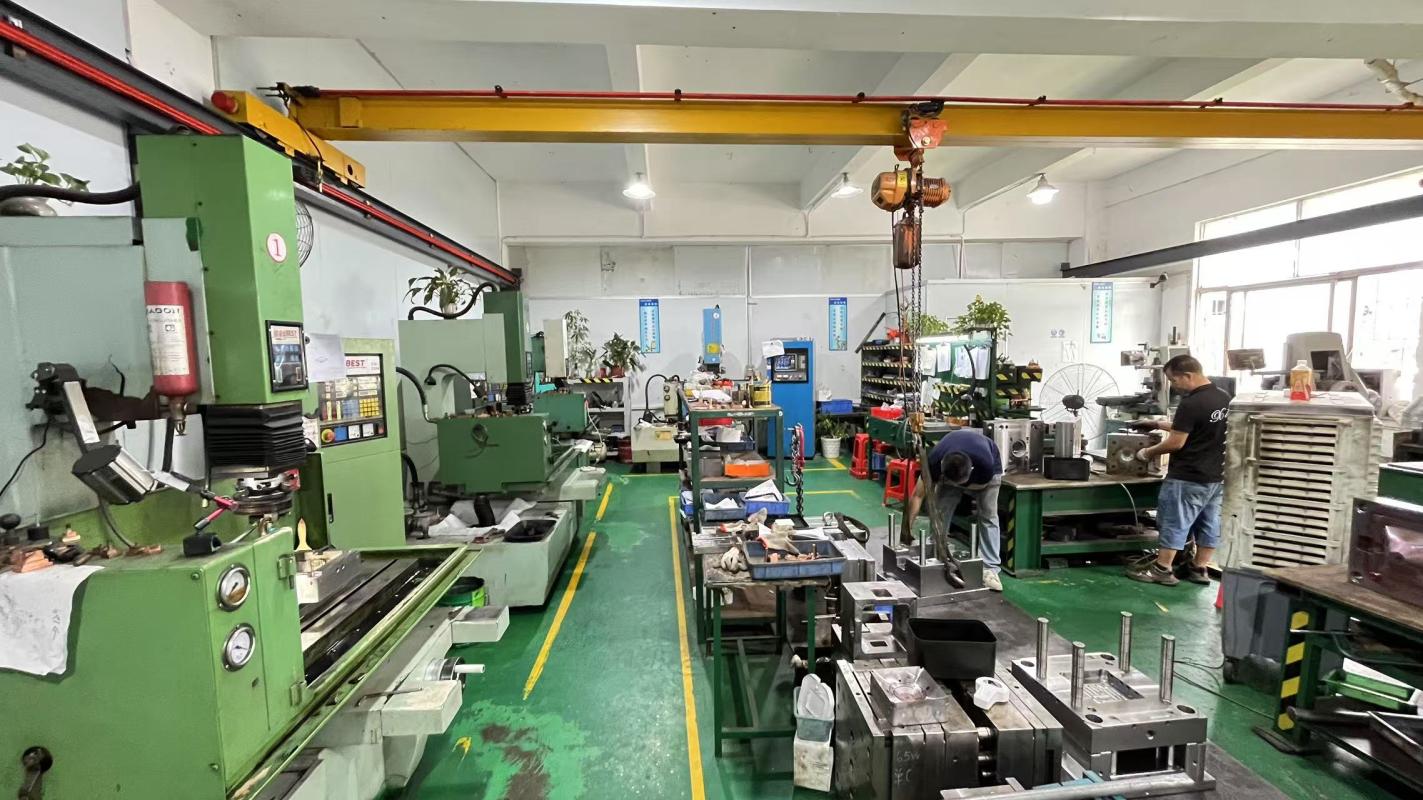
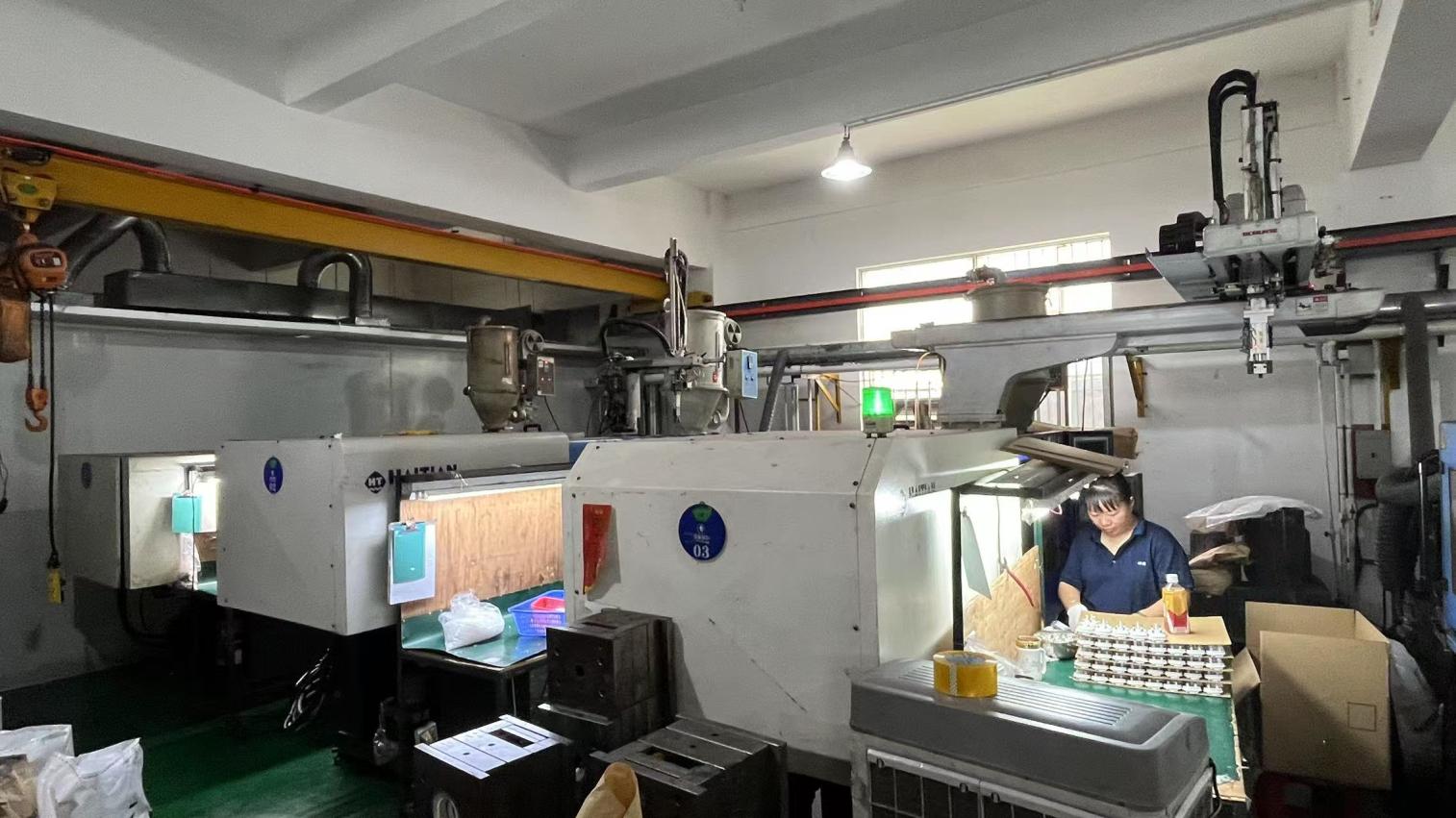
In-House Industrial Manufacturing Ecosystem

Sourcing Strategy: Leveraging China's Advanced Electronics & Plastic Tooling

The hardware integration of a high-performance facial exfoliator requires a multi-tiered supply chain. The primary housing must be molded from biocompatible, chemical-resistant polymers like food-grade ABS or polycarbonate to withstand skincare formulations and cleansing solutions. The active components—ranging from ultra-high frequency sonic motors to microcurrent control boards—must maintain rigorous output stability to prevent skin irritation or burns.

China's Pearl River Delta offers a unique industrial ecosystem that makes sourcing from local factories highly efficient:

Vertical Industry Integration
From raw plastic resins and precision micro-motors to custom packaging and circuit boards, all components are sourced within a 50-mile radius of the assembly lines, minimizing transit delays and component incompatibility.
Advanced Mold Engineering
High-cavity tooling allows for rapid scaling of plastic housings, keeping physical shell costs down while maintaining structural tolerances within ±0.05mm. This guarantees seamless fitment for waterproof seals.
Economies of Scale
Guangzhou factories manage huge volumes of raw material purchases, allowing them to procure medical-grade silicone and Japanese-engineered micro-motors at a fraction of the cost available in other manufacturing corridors.

Global Regulatory Compliance & Quality Control Systems

For enterprise buyers in North America, Europe, and Asia-Pacific, regulatory compliance is the single most critical factor in their sourcing strategy. A beauty device that fails local electrical safety, electromagnetic compatibility, or material safety audits can result in costly customs seizures or product recalls.

Guangzhou Luminor Beauty ensures absolute peace of mind through a robust quality assurance framework built around international standards:

The Pillars of Compliance

  • ISO 13485 Medical Device Quality Management System: Ensures that all product design protocols, cleanroom assembly standards, and traceable QC pipelines meet the stringent safety requirements of clinical-grade aesthetics.
  • FDA Registration & CE Marking: Devices destined for the US and European markets undergo rigorous testing to comply with FCC Part 15, CE-LVD, and CE-EMC directives, ensuring low-voltage safety and zero interference with other electronics.
  • RoHS & REACH Certifications: Ensures all plastic components, silicone bristles, and adhesive compounds are completely free of hazardous heavy metals, phthalates, and skin-sensitizing allergens.
  • IPX7 Waterproof Testing: For wet-use devices like exfoliating brushes and scrubbers, units are submerged in 1 meter of water for 30 minutes to verify internal seals hold, preventing corrosion and electrical failure.

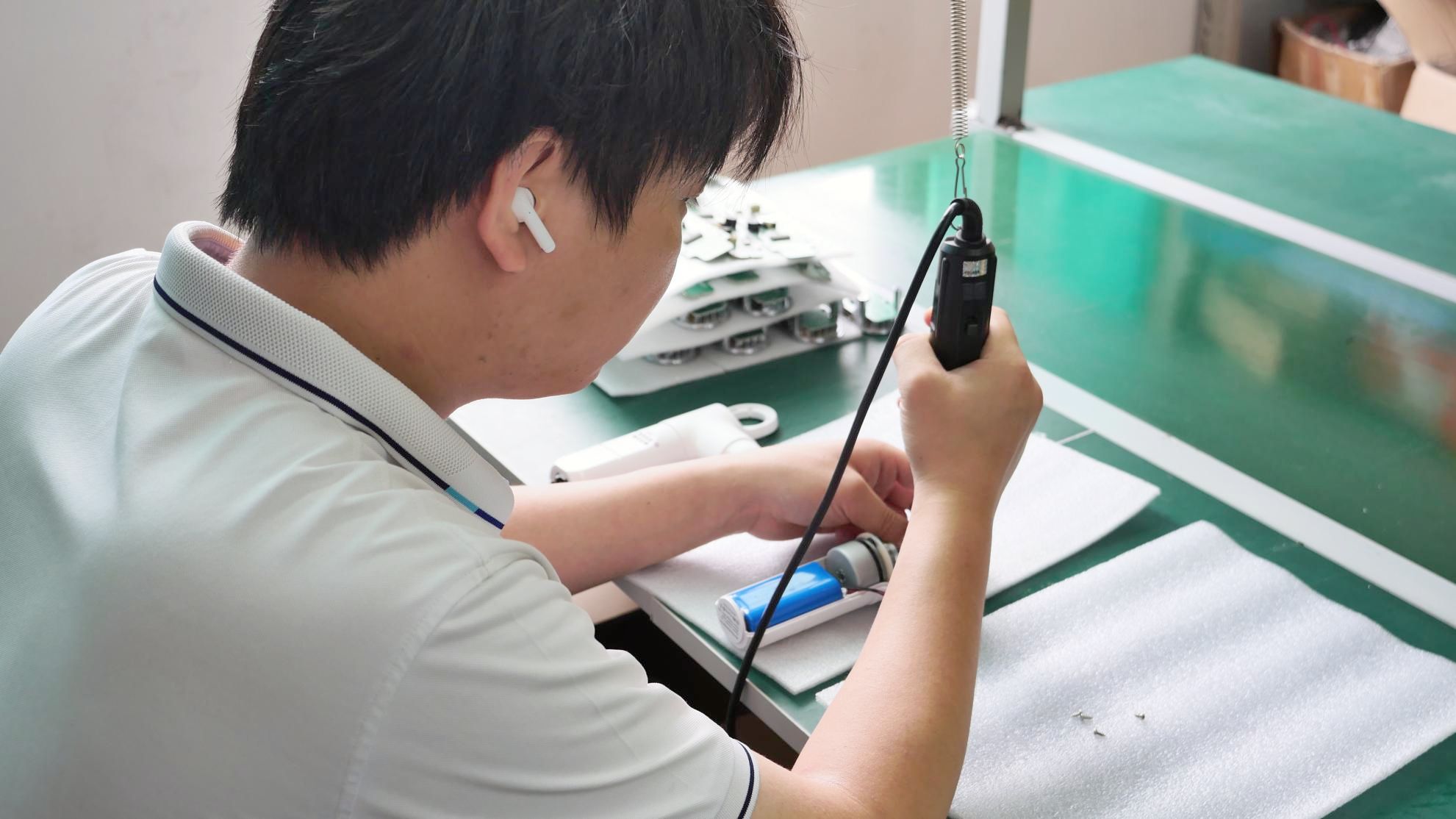
In addition, Luminor's in-house laboratory conducts continuous aging tests on all devices, running motors and batteries continuously for up to 500 hours to calculate Mean Time Between Failures (MTBF) and verify long-term reliability.

Emerging Trends & Application Scenarios in Global Skincare Markets

The facial exfoliation market is moving away from generic products toward targeted, personalized solutions. Advanced technology now allows users to customize their treatments based on skin type and condition, combining exfoliation with active ingredient absorption:

Intelligent Sonic Cleaners
Utilizing micro-processors to detect pressure on the skin, auto-adjusting oscillation frequencies from 8,000 to 15,000 RPM. This prevents micro-tears while thoroughly removing sebum and keratin build-up.
Thermal / Cold Plasma Fusion
High-frequency atmospheric pressure plasma discharges generate active oxygen and nitrogen radicals on the skin surface. This exfoliates, kills acne-causing bacteria, and increases topical skin care absorption.
Multi-Wavelength LED Integrations
Combining red light (630nm) to stimulate collagen synthesis, blue light (415nm) for acne control, and near-infrared (850nm) to reduce post-exfoliation inflammation and speed up healing.

B2B Application Scenarios

Understanding how target consumers use these devices is key for planning your marketing and distribution:
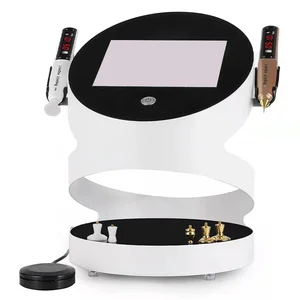
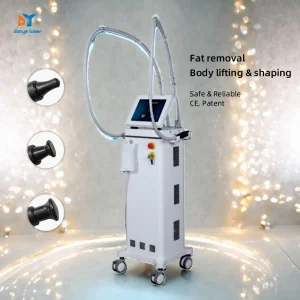
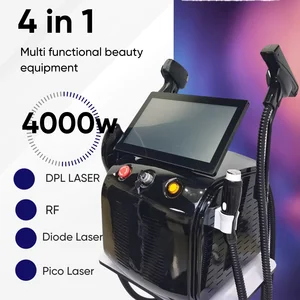
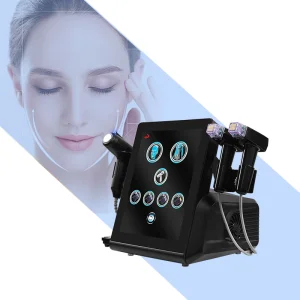
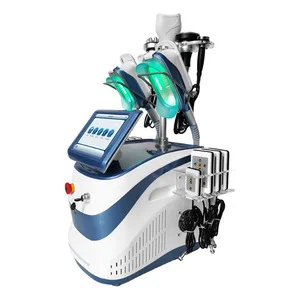
  • Professional Med-Spas & Aesthetic Clinics: Large clinical systems (like fractional RF, hydra-dermabrasion, and professional cryotherapy devices) are used as high-end, in-clinic treatments. These treatments prepare the skin for deeper therapeutic applications by removing dead skin cells and clearing the pores.
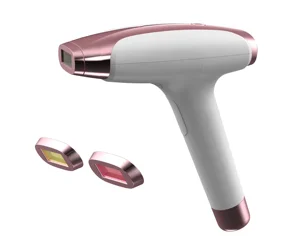
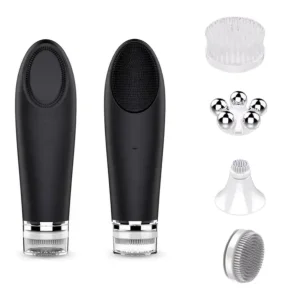
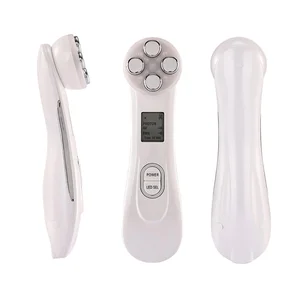
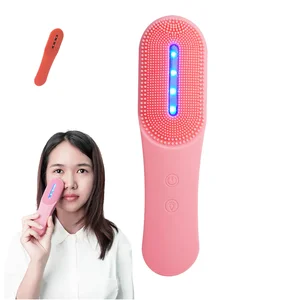
  • Integrated Daily Skincare Programs: Handheld sonic brushes and microcurrent massagers are designed for daily use at home. These compact, user-friendly devices help maintain salon-quality results, keeping the skin smooth between professional clinic visits.
  • Dermatological Pre-Treatment Prep: Exfoliating devices are often used prior to topical prescription treatments. Removing dead skin cells helps maximize the absorption and efficacy of anti-aging, moisturizing, and hyperpigmentation formulas.

Sourcing & Procurement FAQ

1. What are the typical MOQs for OEM/ODM facial exfoliators and beauty devices?
For standard customized designs (such as customized packaging, screen-printed logos, and brand-specific colorways), the Minimum Order Quantity (MOQ) typically ranges from 500 to 1,000 units. For fully customized hardware (ODM projects involving custom plastic injection molds, new circuit designs, or proprietary casing), the initial tooling investment usually requires an MOQ of 3,000 to 5,000 units to offset the mold fabrication costs.
2. How do you guarantee the waterproof rating for wet-use exfoliating brushes?
We use high-precision silicone gaskets and ultrasonic plastic welding to seal all joint seams. Each production batch undergoes strict pressure testing. We use automated air-leak testing machines to verify structural sealing, and randomly select units for 30-minute submersion tests under IPX7 protocol guidelines.
3. What safety certifications do you provide for import into the EU and North America?
We provide comprehensive testing documentation and certificates, including CE-LVD, CE-EMC, FCC, RoHS, and REACH. For medical-aesthetic lines, our factory runs under ISO 13485 certification, and we support our partners in filing for FDA 510(k) clearances by providing all necessary technical files, biocompatibility reports, and electrical safety data.
4. What is the typical lead time for mold development and mass production?
For initial custom mold development, the cycle takes approximately 30 to 45 days, including design validation, prototyping, and test runs. Once the mold is approved, mass production takes 25 to 35 days, depending on the order volume and current assembly schedule.
5. Can the vibration frequencies and microcurrent outputs be adjusted for local markets?
Yes, our R&D engineering team can reprogram the device microcontrollers (MCUs) to adjust frequency ranges, microcurrent intensity levels, or treatment cycles. This allows you to tailor your products to the specific regulatory requirements and consumer preferences of your target markets.
6. How is after-sales service and technical support handled for international buyers?
We provide a 1-to-2-year quality warranty depending on the product line. We supply 1% to 2% spare units or key replacement parts free of charge with mass production orders. For professional clinical devices, we offer remote video diagnostics, detailed calibration documentation, and direct access to our core design engineers.