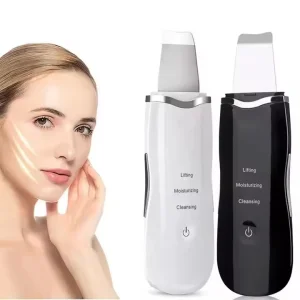
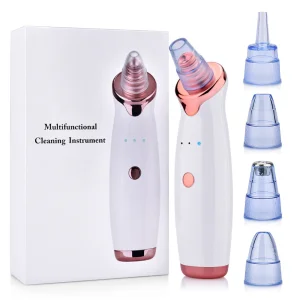
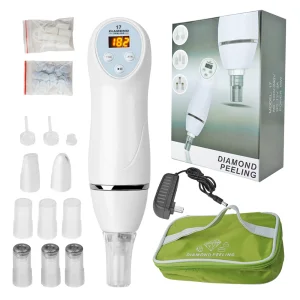
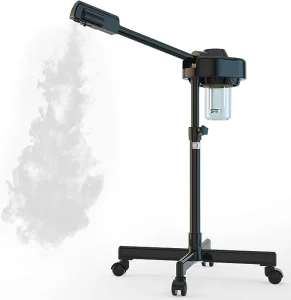
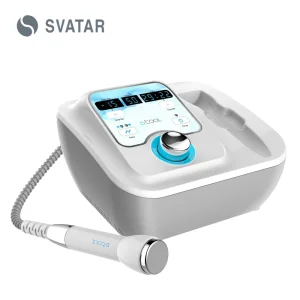
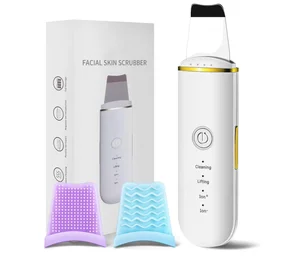
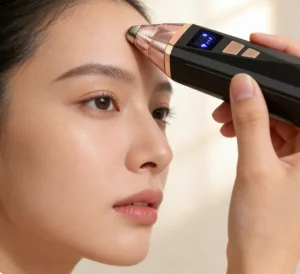
Top Trusted Dermaplaning Tool Supplier & Exporters

Global Industrial OEM/ODM Manufacturing Partners for Advanced Physical Exfoliation and Medical-Aesthetic Systems

1. The Global Landscape of Dermaplaning & Professional Physical Exfoliation

In the rapidly advancing medical-aesthetic sector, physical exfoliation has transitioned from traditional mechanical abrasion to highly sophisticated, micro-engineered dermal intervention technologies. Dermaplaning tools are at the epicenter of this evolution. Once restricted strictly to clinical environments under the supervision of board-certified dermatologists, dermaplaning—or non-chemical epidermal leveling—is now recognized globally as a foundational step in comprehensive clinical skincare regimens.

By systematically removing the dead cell layers of the stratum corneum along with fine vellus hair (peach fuzz), dermaplaning tools trigger the skin's natural micro-regeneration pathways. This physical intervention enhances biological cellular turnover rates, optimizes the transdermal absorption kinetics of topical cosmetic formulations, and presents an immediate improvement in cutaneous light reflection (skin radiance). As a premier global exporter and supplier, Guangzhou Luminor Beauty Co., Ltd. analyzes localized market requirements, offering customizable hardware designed to cater to clinical, luxury spa, and home-use applications.

Information Gain: The Mechanics of Dermaplaning vs. Sonic Microdermabrasion

Unlike traditional rotary exfoliating brushes or mechanical scrubs that cause micro-tears in the epidermal barrier, surgical steel dermaplaning blades slice through cellular cohesion at a precise 45-degree angle. This structural angle limits the friction coefficients applied directly to sensitive skin types, reducing subsequent post-inflammatory hyperpigmentation (PIH) risks—a crucial factor for Fitzpatrick Skin Types IV through VI.
2. Manufacturing Infrastructure & Chinese Supply Chain Synergy

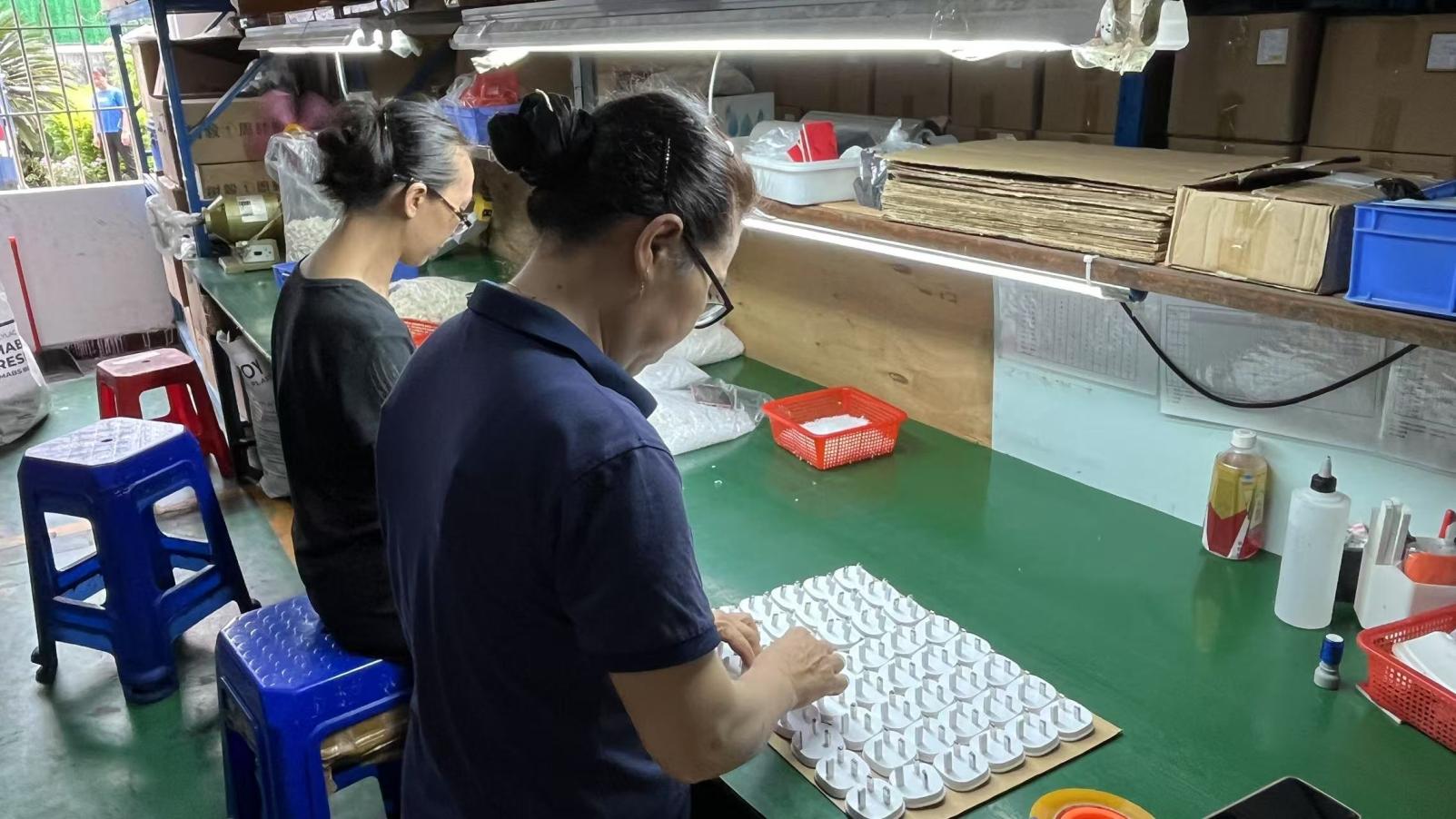
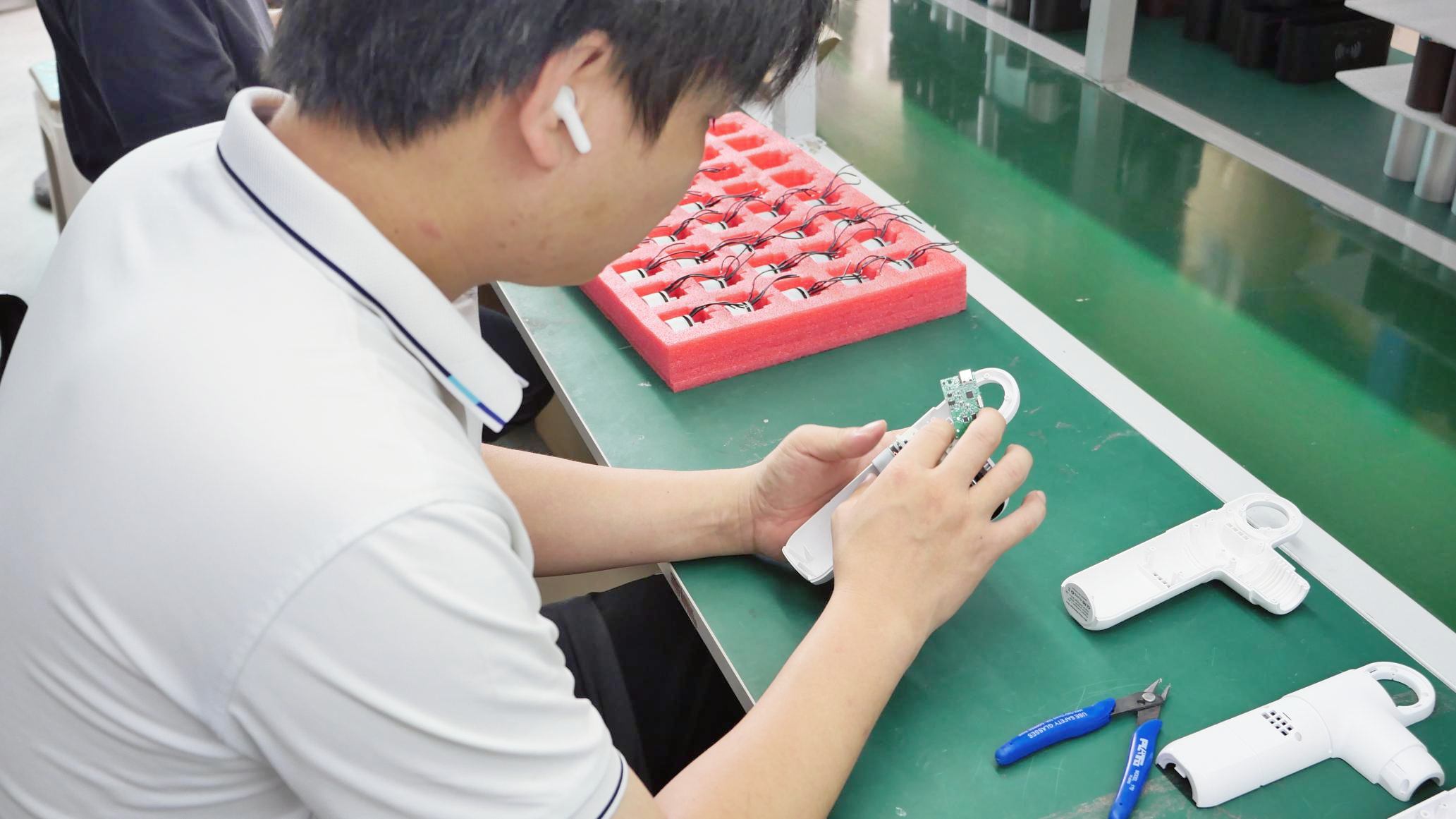
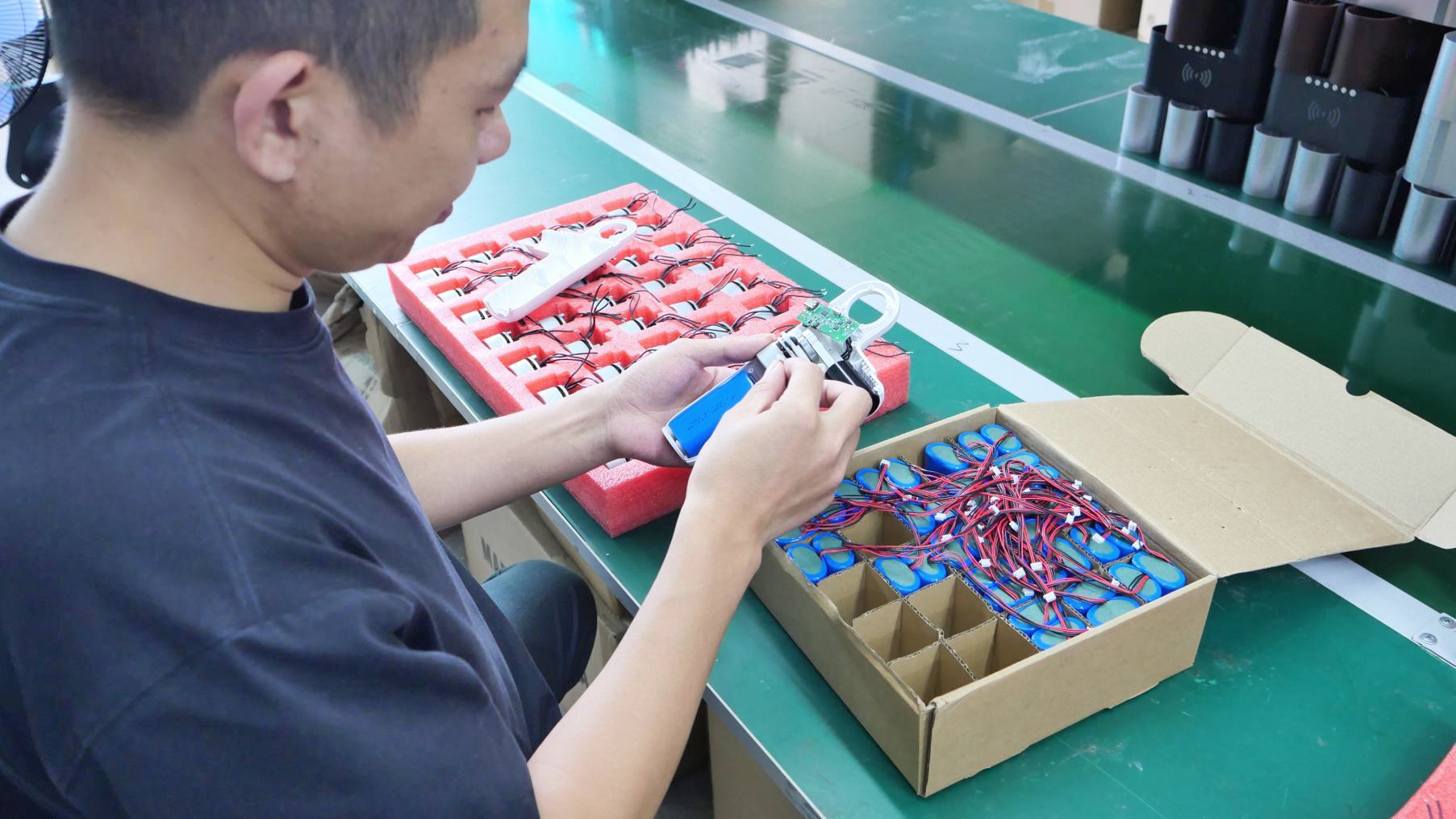
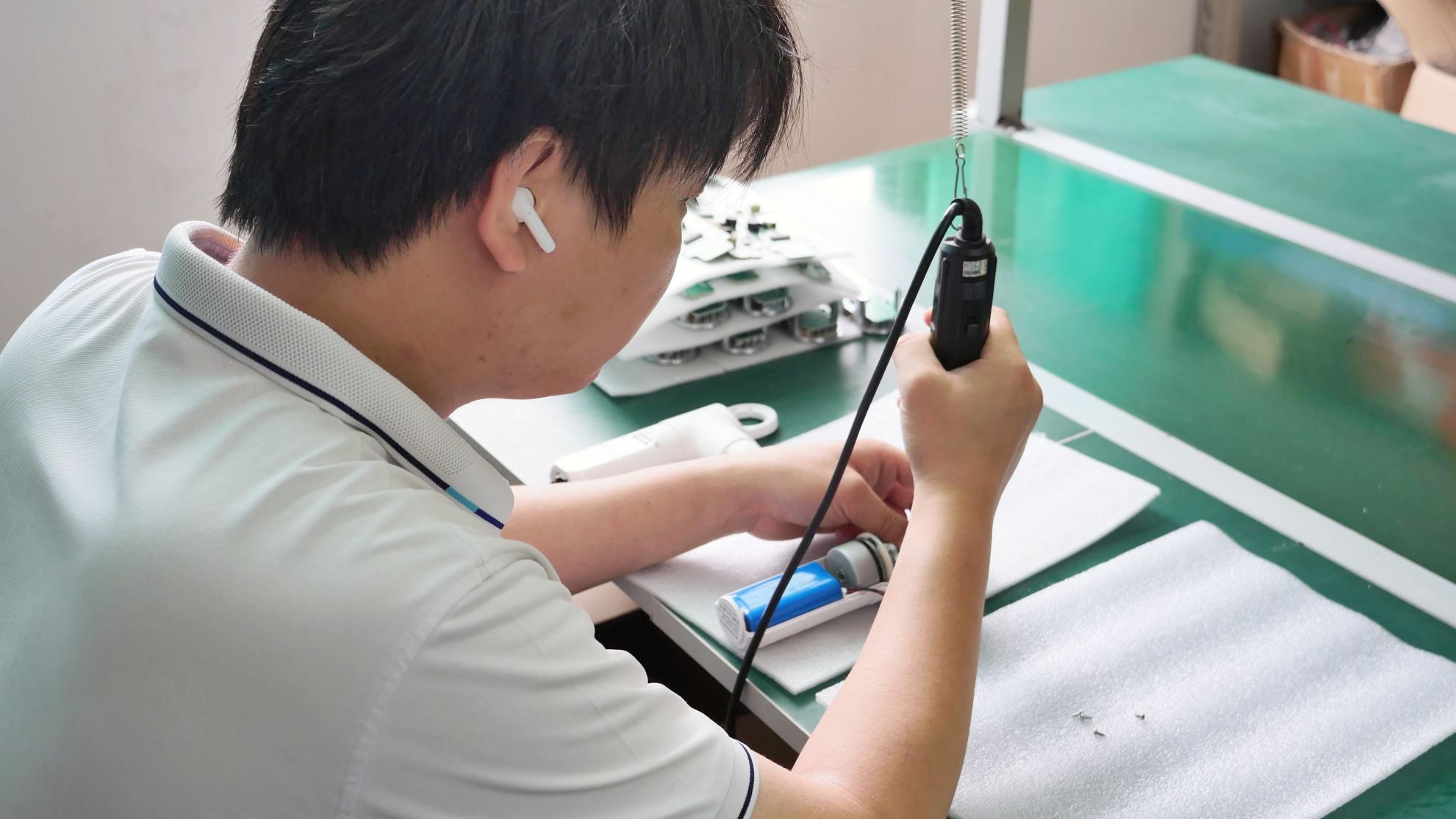
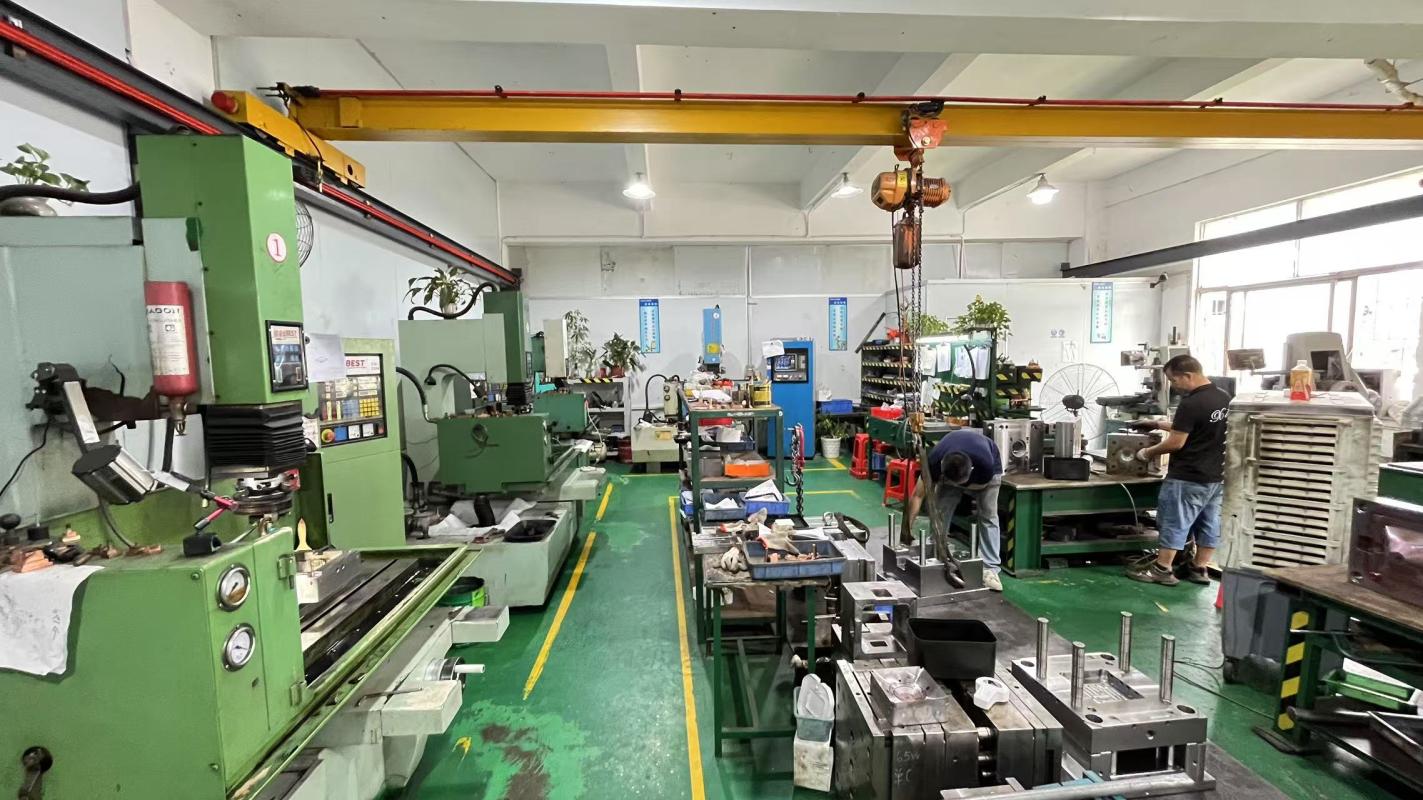
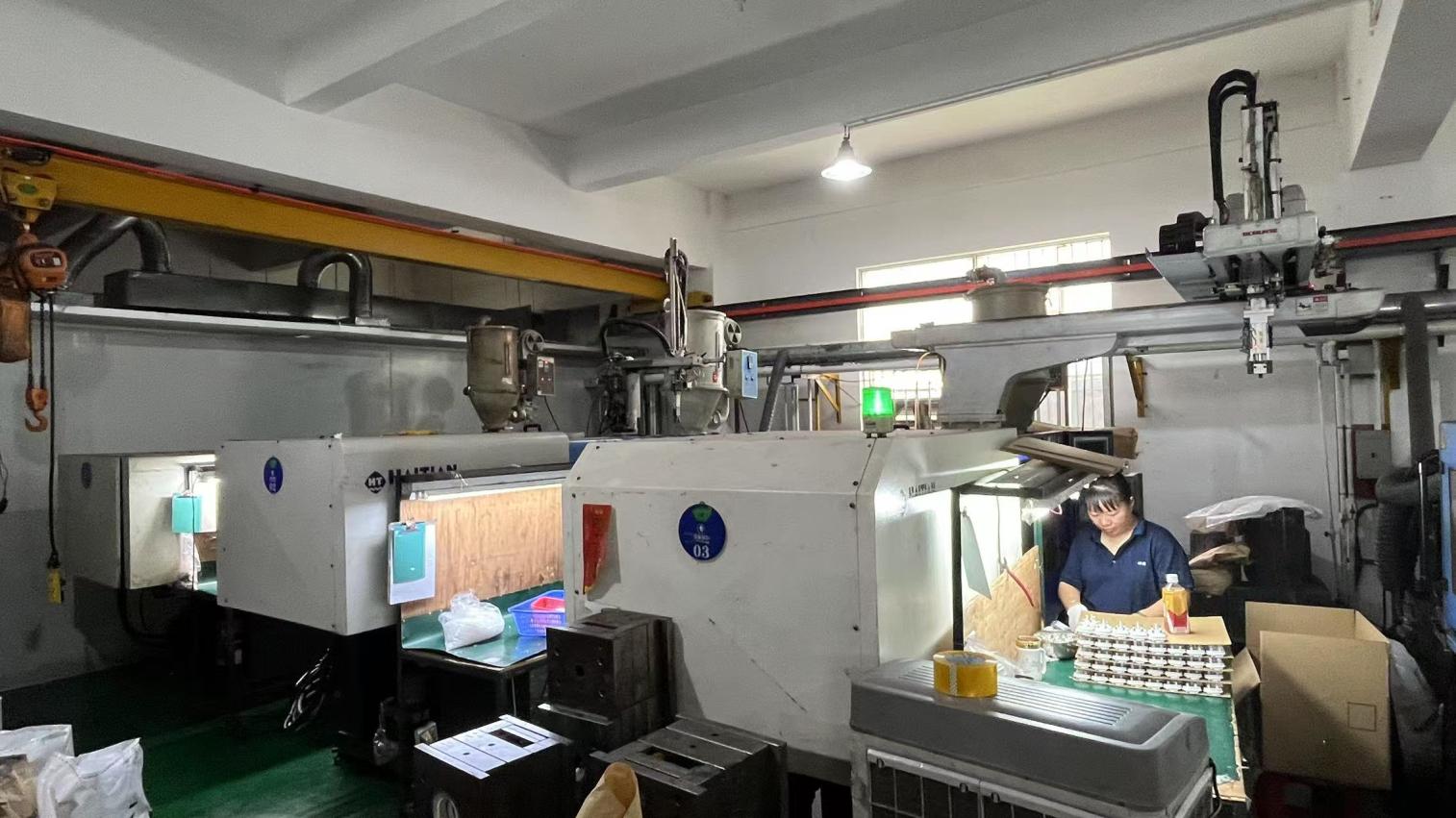
Guangzhou Luminor Beauty Co., Ltd. operates a vertically integrated production ecosystem designed to mitigate supply chain disruptions while assuring manufacturing tolerances match aerospace standards. Our production plant spans over 4,000 square meters and features more than 20 modern, automated production lines.

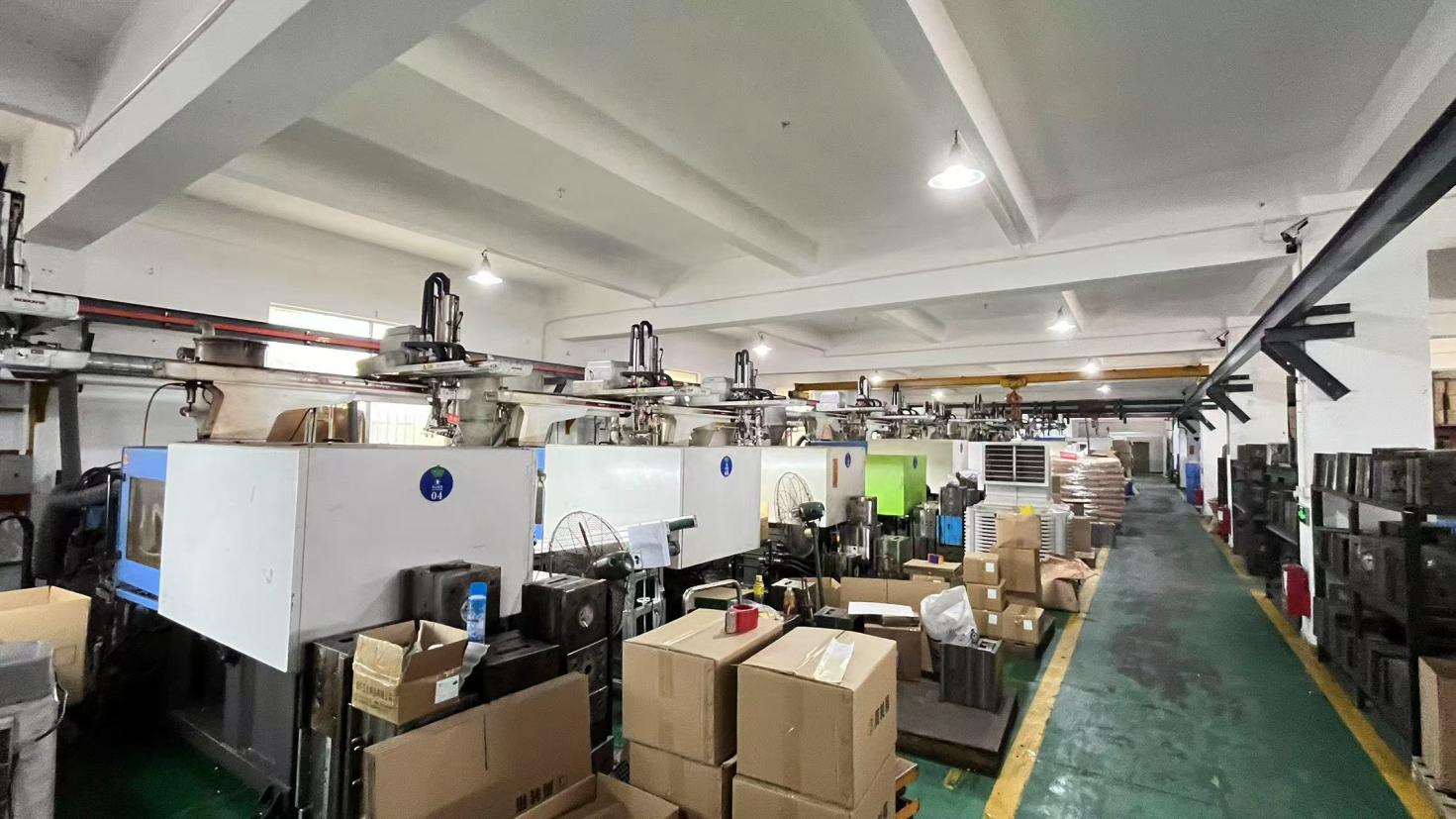
By utilizing our internal tooling fabrication division and high-tonnage plastic injection machinery, we maintain complete control over the design, execution, and consistency of our aesthetic devices. This vertical integration allows us to significantly reduce standard lead times for ODM modifications, enabling our global partners to rapidly scale their offerings in dynamic consumer markets.

12+
Years of R&D Excellence
4,000+
Sqm Factory Area
20+
Active Assembly Lines
20+
Expert R&D Engineers

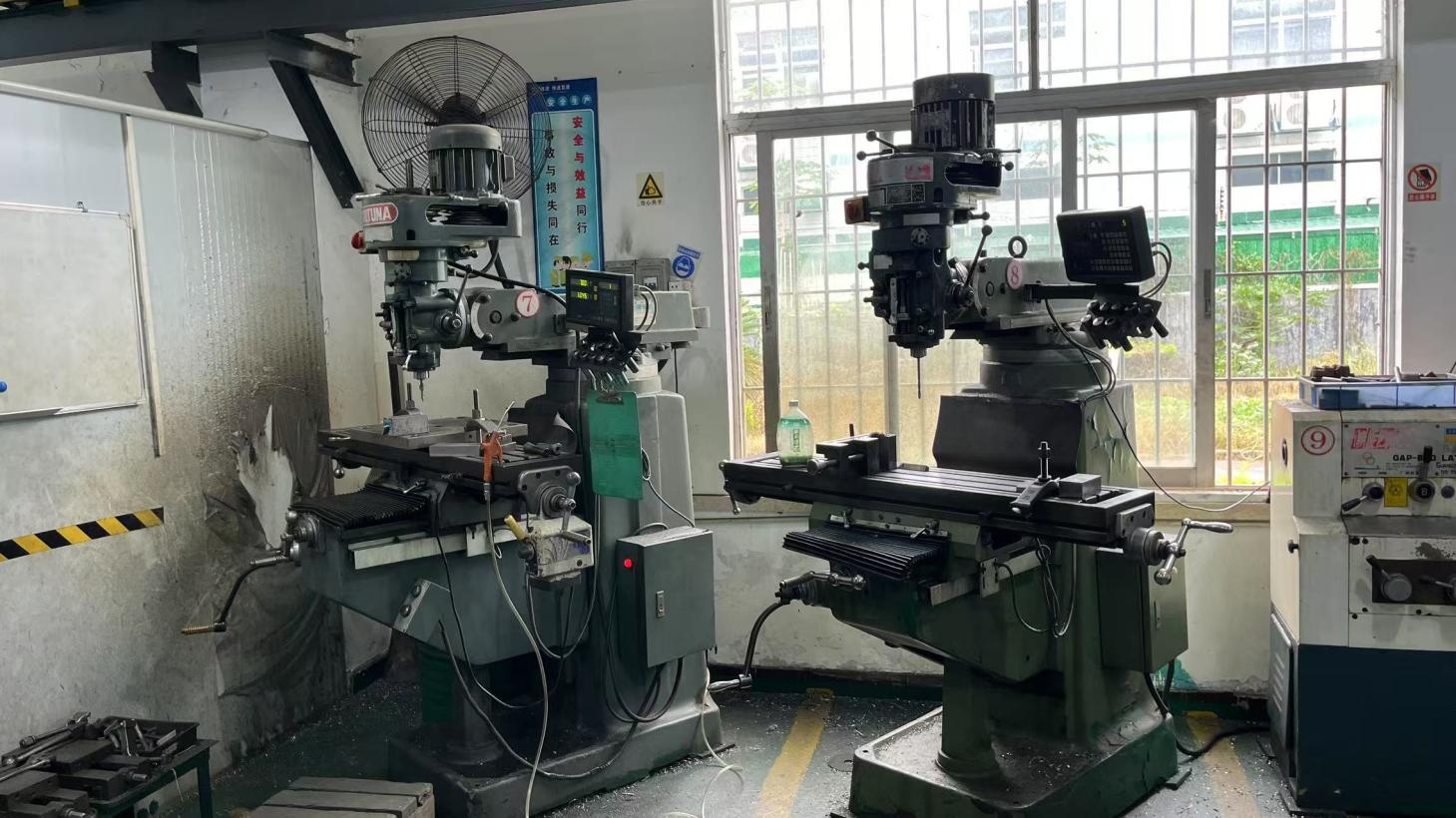
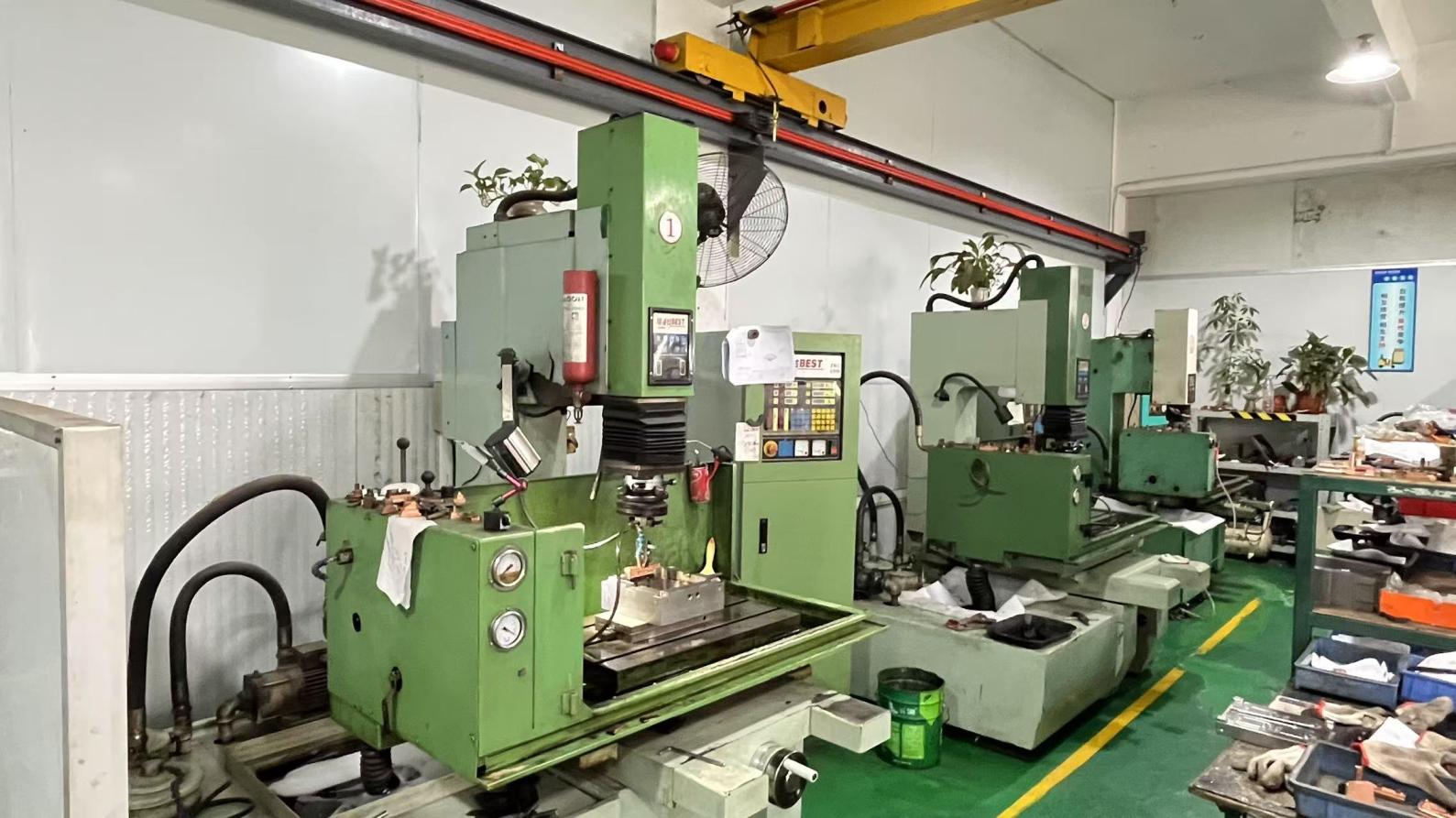
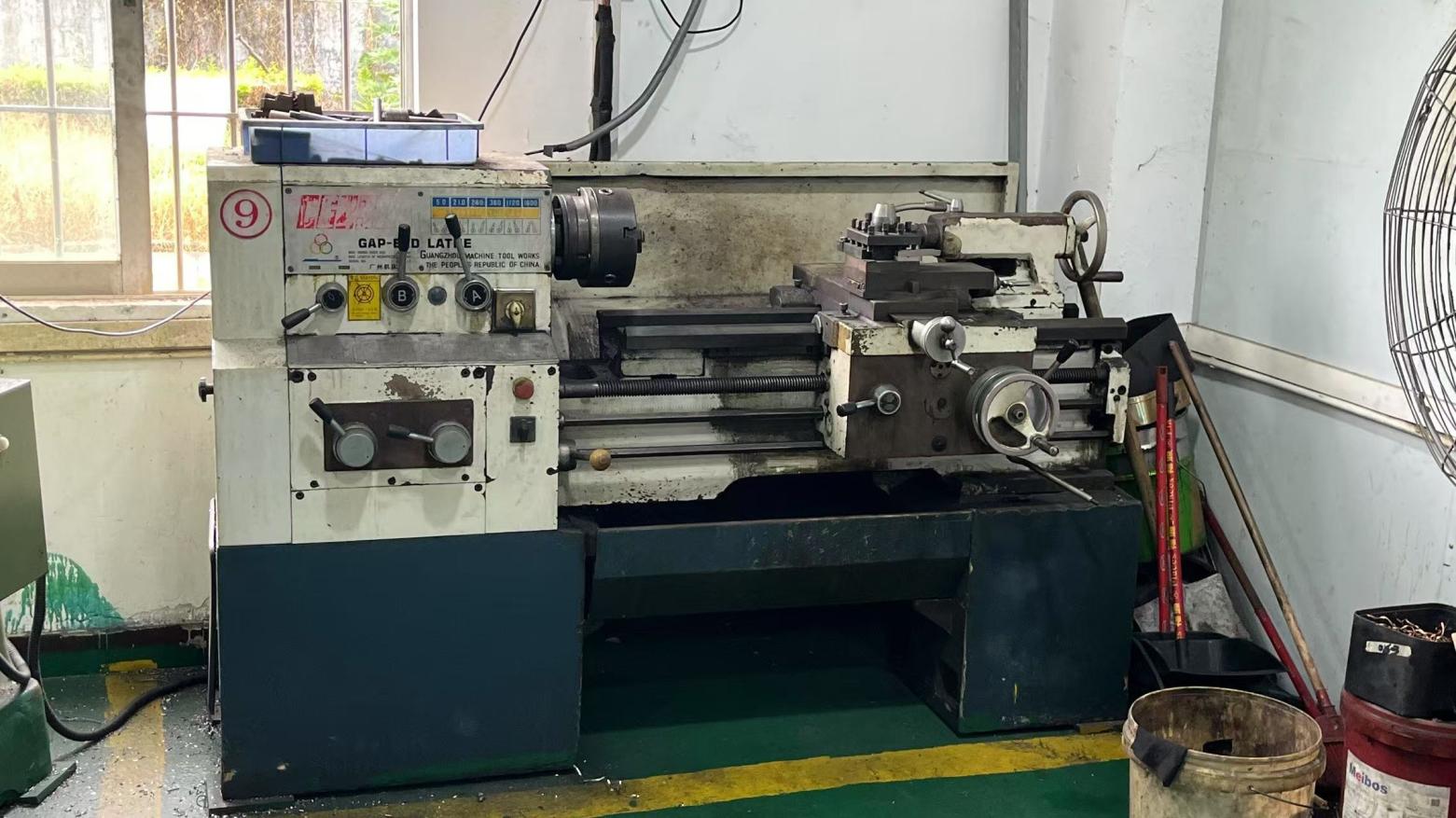
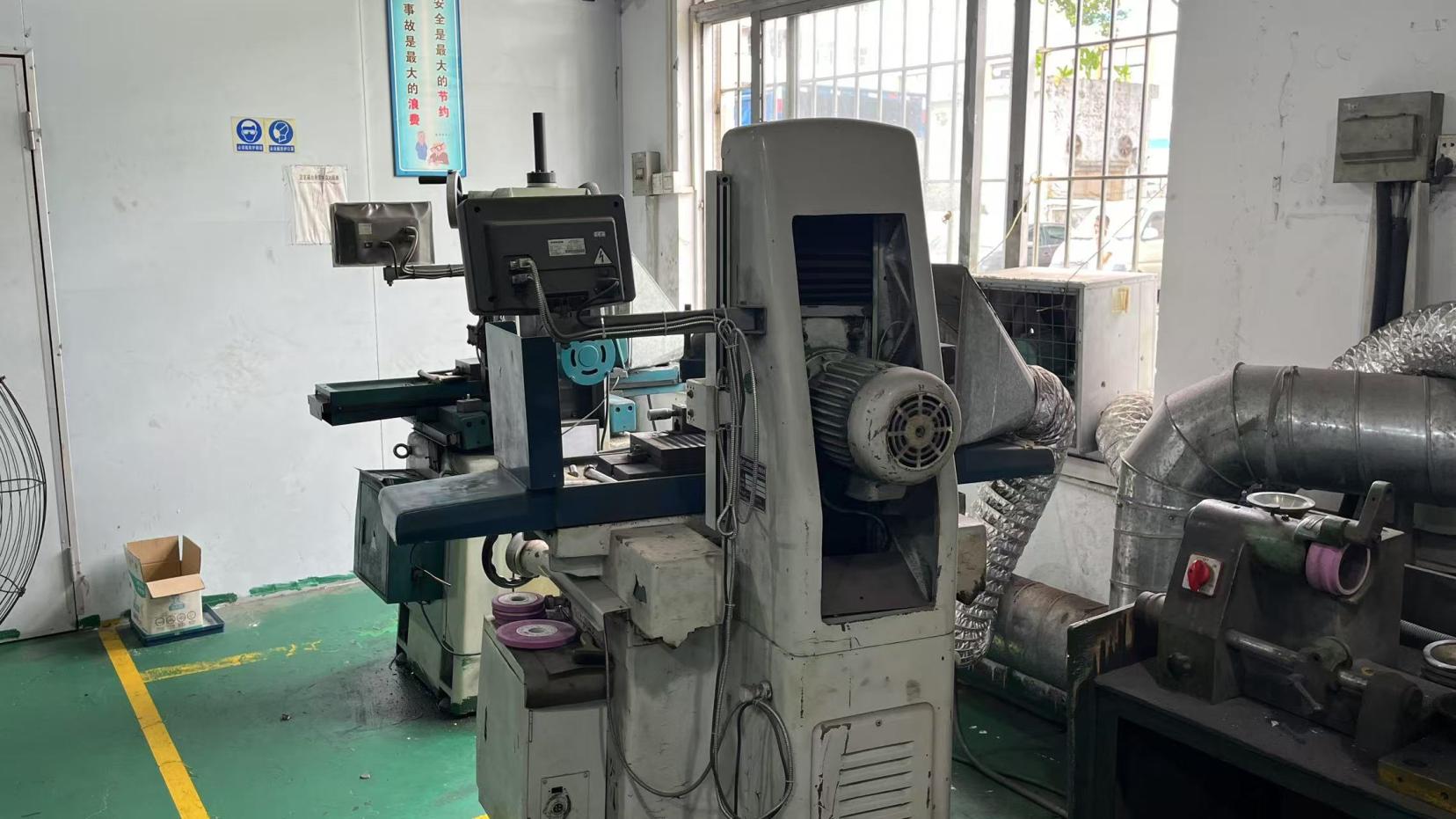
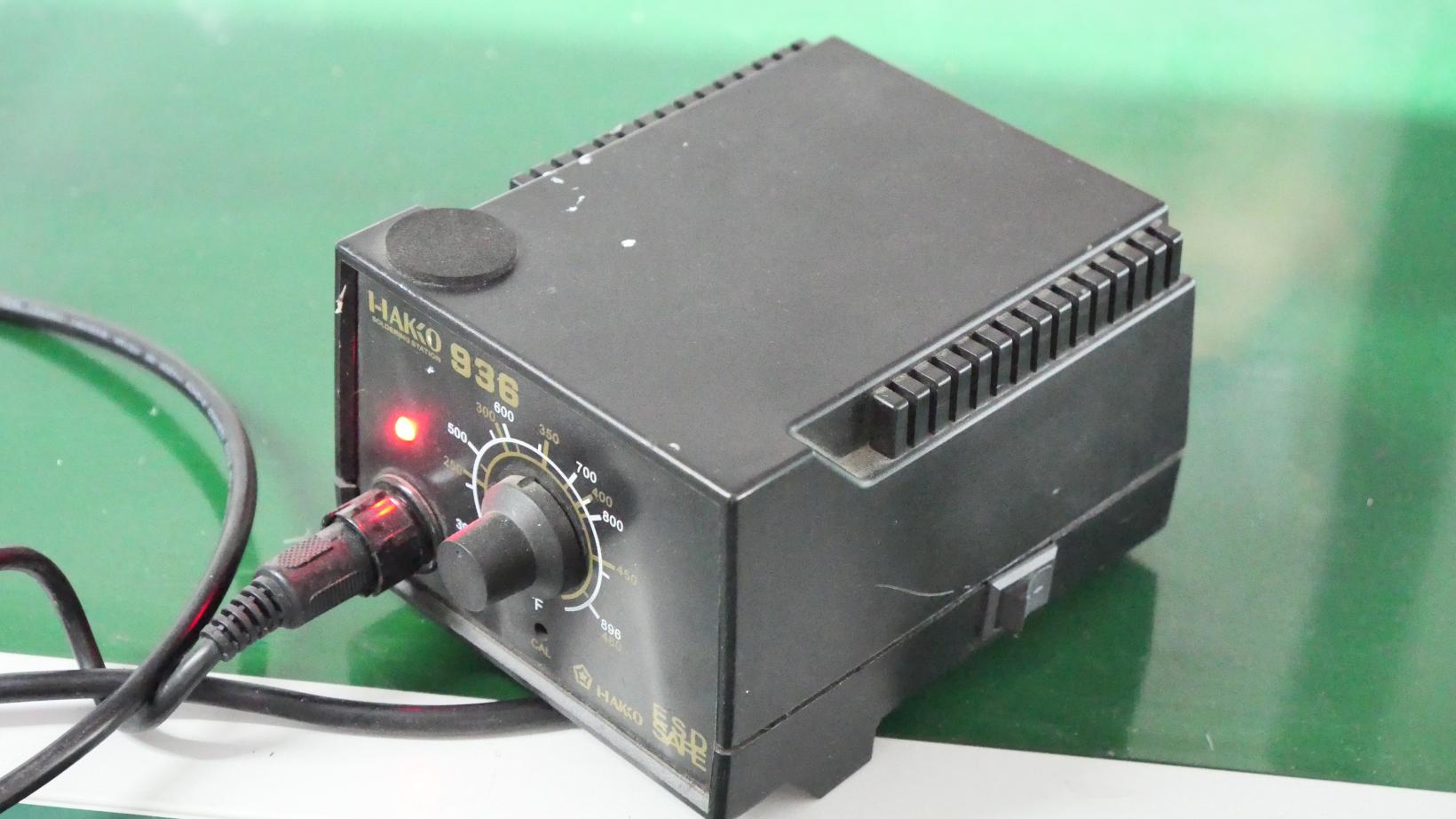
Our internal engineering division utilizes advanced CNC milling machines, Electric Discharge Machining (EDM), high-precision grinding instruments, and automated solder stations. From prototype blueprints to large-scale plastic injection molding, we enforce a strict quality control inspection process at every step. This keeps the structural variance of our device chassis under 0.02mm, ensuring reliable handpiece assembly and mechanical integrity.

3. Technology Roadmap: The Next Generation of Aesthetic Exfoliation Tools

Luminor Beauty's technology roadmap focuses on three core pillars: blade metallurgy, vibrational frequency control, and smart sensory integration.

High-Grade Metallurgy & Coating Engineering

The efficiency of any physical dermaplaning tool relies heavily on blade performance. We utilize medical-grade, high-carbon Japanese stainless steel, treated with specialized physical vapor deposition (PVD) coatings. Our current designs integrate Diamond-Like Carbon (DLC) and titanium nitride coatings, which prolong blade sharpness by up to 300% compared to standard uncoated stainless steel. Our blades feature micro-protective guards that divide the cutting edge into microscopic intervals. This minimizes lateral skin shear and virtually eliminates the risk of accidental incisions, even when used by non-professionals.

Ultrasonic & Microcurrent Technological Advancements

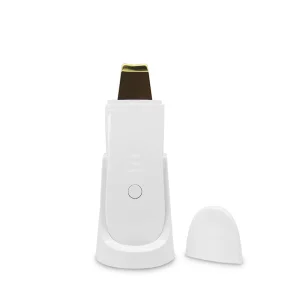
Our advanced product portfolio integrates high-frequency sonic oscillations directly into the dermaplaning handle. Operating at frequencies ranging from 12,000 to 24,000 Hz, these micro-vibrations help detach keratinized cells from the skin surface prior to blade contact. This allows for effective exfoliation with minimal physical pressure, reducing skin irritation. Our engineering team is also researching the integration of microcurrent technology (EMS) and RF (Radio Frequency) energy to simultaneously tone facial muscles and stimulate subcutaneous collagen pathways.

4. Global Localized Applications & Regulatory Compliance Standards

Different regions present unique regulatory standards, biological skin phenotypes, and consumer behaviors. Our OEM/ODM program is designed to meet these regional requirements.

North American Market (USA & Canada)

In North America, consumer demand centers on immediate clinical results and clear safety profiles. Home-use dermaplaning tools must comply with strict FDA classification frameworks. We assist our clients in completing FDA Class I and Class II medical device registrations. Our designs feature ergonomic profiles and clear instructional packaging, which helps minimize product liability risks for brands.

European Union & UK Markets

European cosmetic safety directives place high emphasis on material bio-compatibility and chemical safety. All materials used in our dermaplaning tools undergo rigorous biocompatibility testing, ensuring compliance with RoHS and REACH regulations. Additionally, for electronic exfoliation systems, we provide comprehensive CE, LVD, and EMC testing documentation to facilitate smooth customs clearance and compliance under the EU Medical Device Regulation (MDR).

Asia-Pacific & Middle Eastern Markets

Asia-Pacific consumers often have thinner skin barriers that are more prone to hyperpigmentation. To address this, our tools utilize ultra-thin micro-guards (0.05 mm) to prevent over-exfoliation. In the Middle East, our designs cater to the demand for luxury-grade materials, including anodized aluminum handles, elegant charging docks, and premium travel accessories.

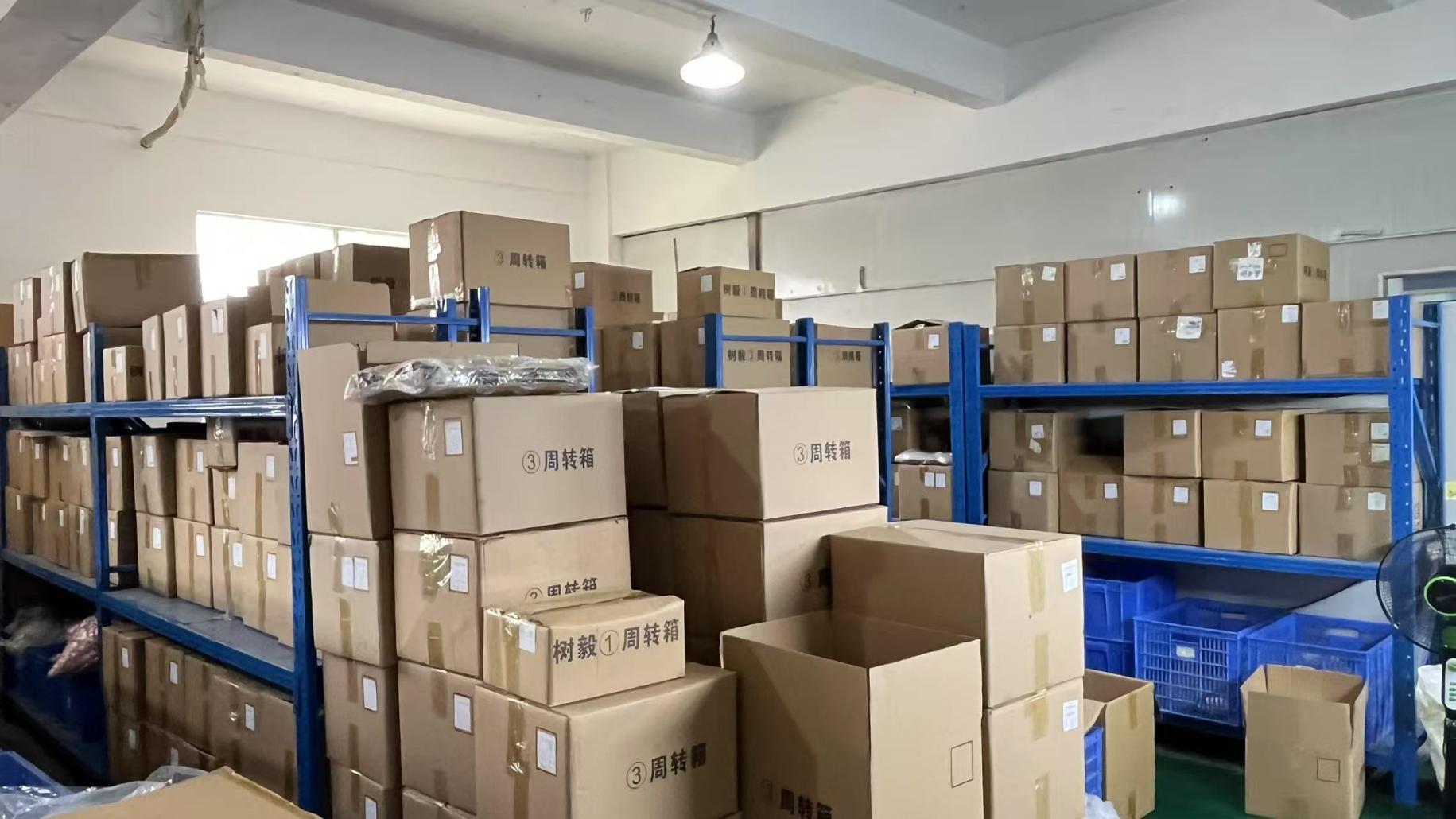
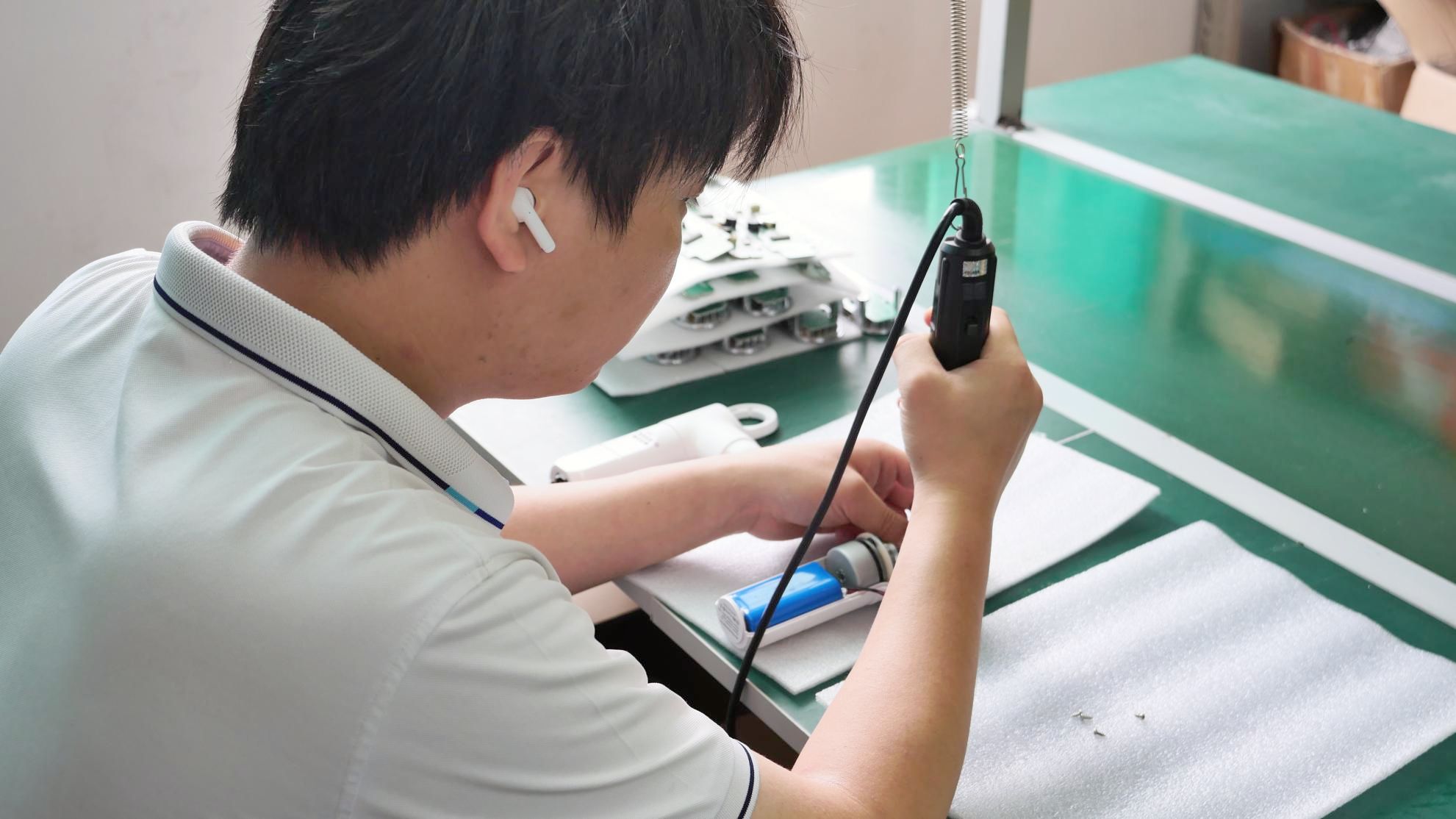
Guangzhou Luminor Precision Manufacturing Facility

A transparent look inside our ISO 13485-aligned production facility, tooling workshops, and quality assurance divisions.

5. The Science of Dermal Exfoliation: Safety, Hygiene, and Ergonomics

From a physiological perspective, dermaplaning is a highly effective manual exfoliation treatment. Proper technique and tooling design are critical to minimizing risk. When the blade angle is kept at a precise 45-degree angle to the skin surface, the tool cleanly removes the outer layer of the stratum corneum along with fine vellus hair. This mechanical action avoids pulling on the follicle, preventing the irritation often associated with waxing or threading.

Safety Notice: Maintaining Skin Barrier Integrity

To maintain skin barrier health, dermaplaning should only be performed on healthy, non-inflamed skin. It is contraindicated for active acne, pustular rosacea, eczema, or open lesions. Exfoliated skin has increased permeability, which temporarily raises transdermal water loss (TEWL). To support recovery, a soothing, non-comedogenic lipid barrier repair cream should be applied immediately post-treatment.

In our production lines, ergonomics and slip-prevention are key design priorities. Wet conditions in salons and bathrooms can cause slippage, so our handles are engineered with tactile grooves and textured grip coatings. Additionally, we use surgical-grade stainless steel to prevent oxidation and ensure compatibility with standard disinfectant protocols.

6. Industry FAQ: Expert Insights for Global Sourcing Managers

What material configurations are available for OEM/ODM dermaplaning tool blades?
We offer premium Japanese Sandvik surgical-grade stainless steel, high-carbon Swedish steel, and medical-grade titanium alloy. PVD coatings such as Diamond-Like Carbon (DLC), titanium nitride, and PTFE (Teflon) are available to optimize edge retention, minimize friction, and extend blade life.
What certification support does Guangzhou Luminor offer for international customs?
We supply comprehensive compliance documentation, including CE, RoHS, and FCC reports for electronic devices. Additionally, our medical-grade stainless steel blades undergo biocompatibility assessments (ISO 10993) to help facilitate smooth FDA registrations and EU regulatory approvals.
How does Guangzhou Luminor handle quality control across large manufacturing runs?
We follow a multi-phase quality assurance process: strict Incoming Quality Control (IQC) for raw materials, In-Process Quality Control (IPQC) along the assembly lines, and Outgoing Quality Control (OQC), which includes 100% functionality and aging tests for electronic devices. Our blade inspections are performed under high-magnification optical scanners to ensure edge consistency.
Does dermaplaning cause facial vellus hair to grow back thicker or darker?
No, this is a common misconception. Dermaplaning shears the hair shaft at the surface of the skin without affecting the hair follicle below. The number, color, and growth rate of follicles are determined genetically. The hair grows back with a blunt edge, which may make it feel slightly different initially, but its biological structure remains unchanged.