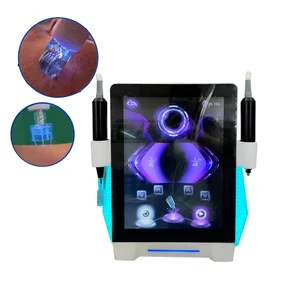
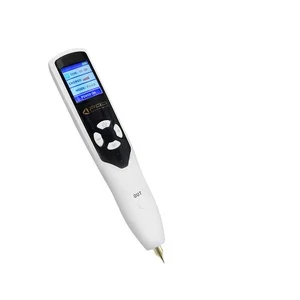
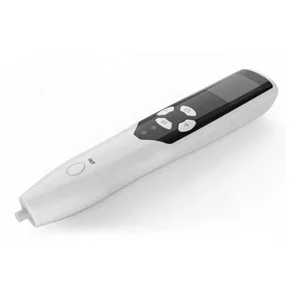
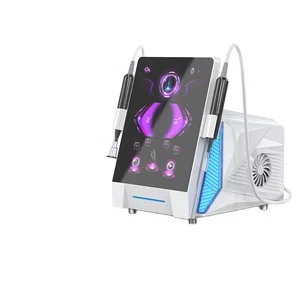
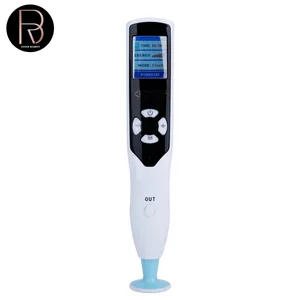
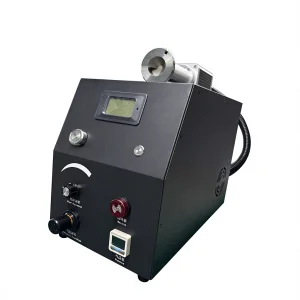
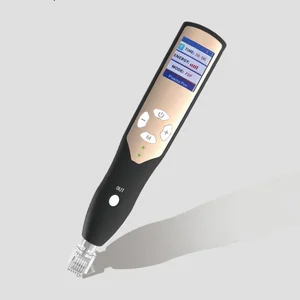
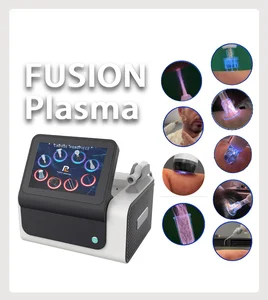
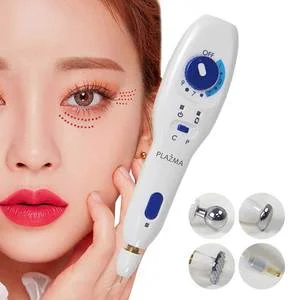
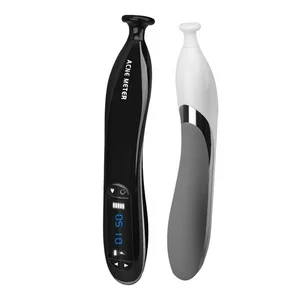
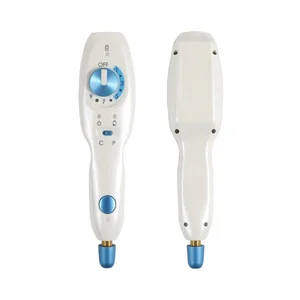
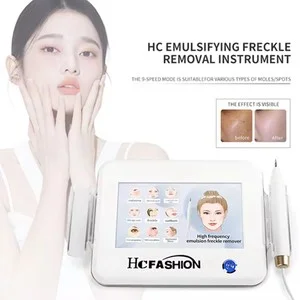
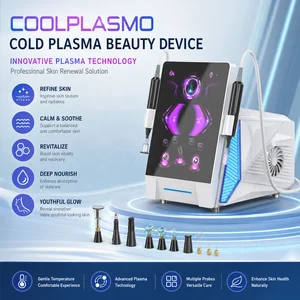
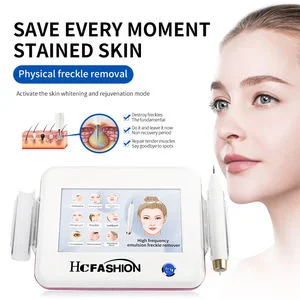
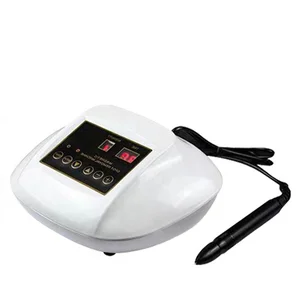
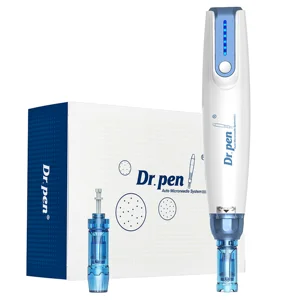
Direct factory supply of certified medical-aesthetic plasma devices tailored for New Zealand's rigorous skin care and safety parameters.
The aesthetic medicine landscape in New Zealand (NZ) is witnessing an unprecedented evolution, driven by a highly sophisticated demographic demanding non-invasive, high-efficacy dermal therapies. According to recent demographic analyses, NZ consumers in centers like Auckland, Wellington, and Christchurch prioritize treatments with minimal downtime but high safety profiles. This demand has positioned fractional fibroblast plasma and cold atmospheric plasma (CAP) technologies at the forefront of modern clinic offerings.
Historically, aggressive laser resurfacing and surgical blepharoplasty dominated the aging-corrective segment. However, plasma technology has bridged the gap. By utilizing the fourth state of matter—ionized gas—plasma devices deliver micro-targeted thermal energy to the epidermal layer while generating a sterile ozone envelope. This dual mechanism stimulates both instant tissue contraction (fibroblast activation) and powerful sanitization, making it highly effective for both age management and active acne therapy.
As a leading global manufacturer, Guangzhou Luminor Beauty Co., Ltd. has established robust channels supplying compliance-certified plasma pens directly to New Zealand distributors. Our focus on engineering high-stability high-frequency power supplies ensures that local practitioners can perform procedures without the risk of thermal scarring or pigment issues—critical for NZ’s varied skin phototypes under high UV conditions.
"New Zealand clinics require high-grade, reliable electrical isolation to ensure complete safety and compliance under local consumer protection laws."
Years of R&D Experience
Factory Space (Sqm)
Expert Aesthetic Engineers
Quality Checked & Certified
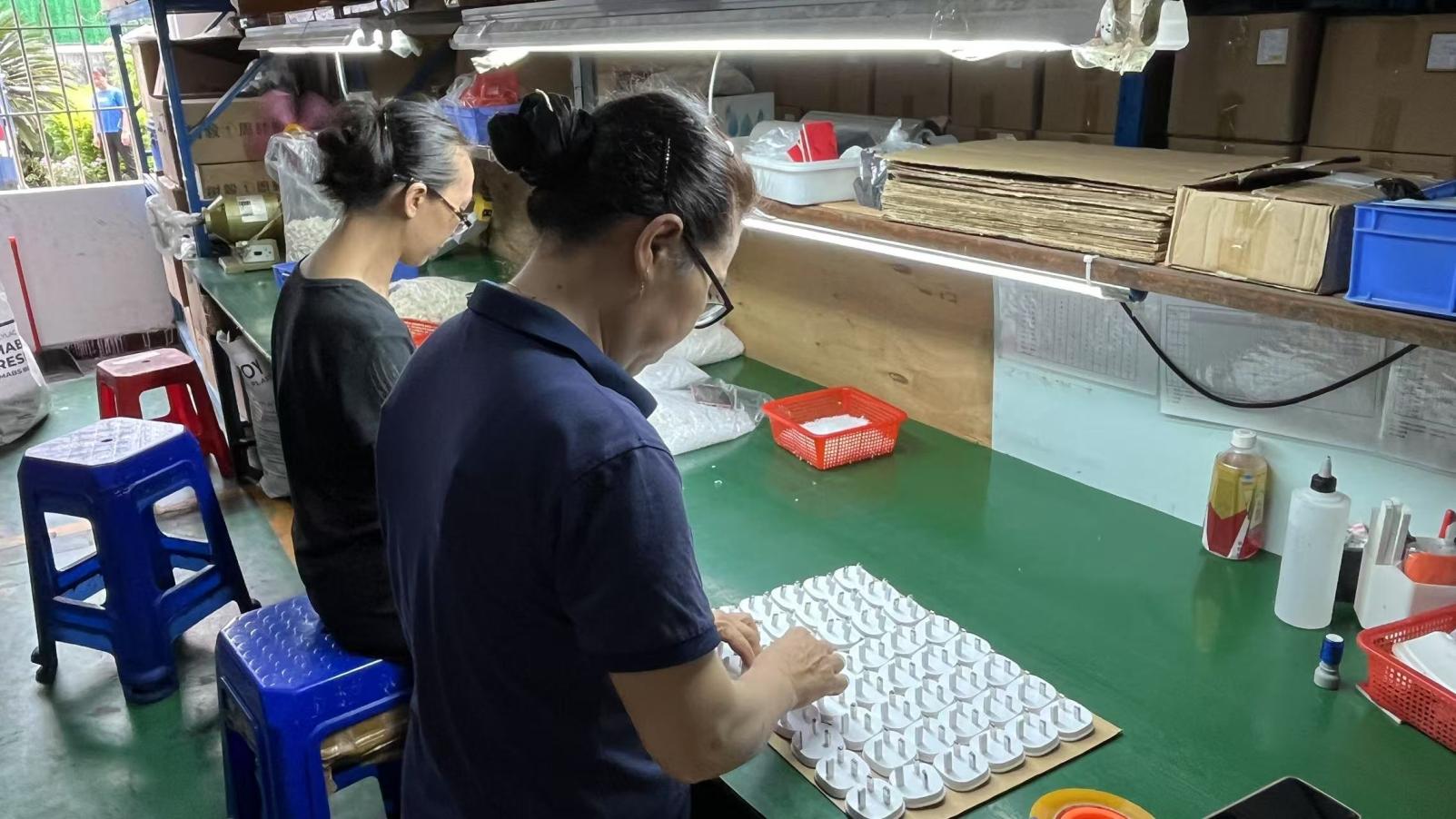
New Zealand wholesale importers face distinct logistical challenges. Our supply chain guarantees direct shipping lanes from our Guangzhou production facility to major NZ ports (Auckland, Tauranga, Lyttelton). We handle custom clearances, supply appropriate SAA-certified power plugs, and provide extensive support for local compliance.
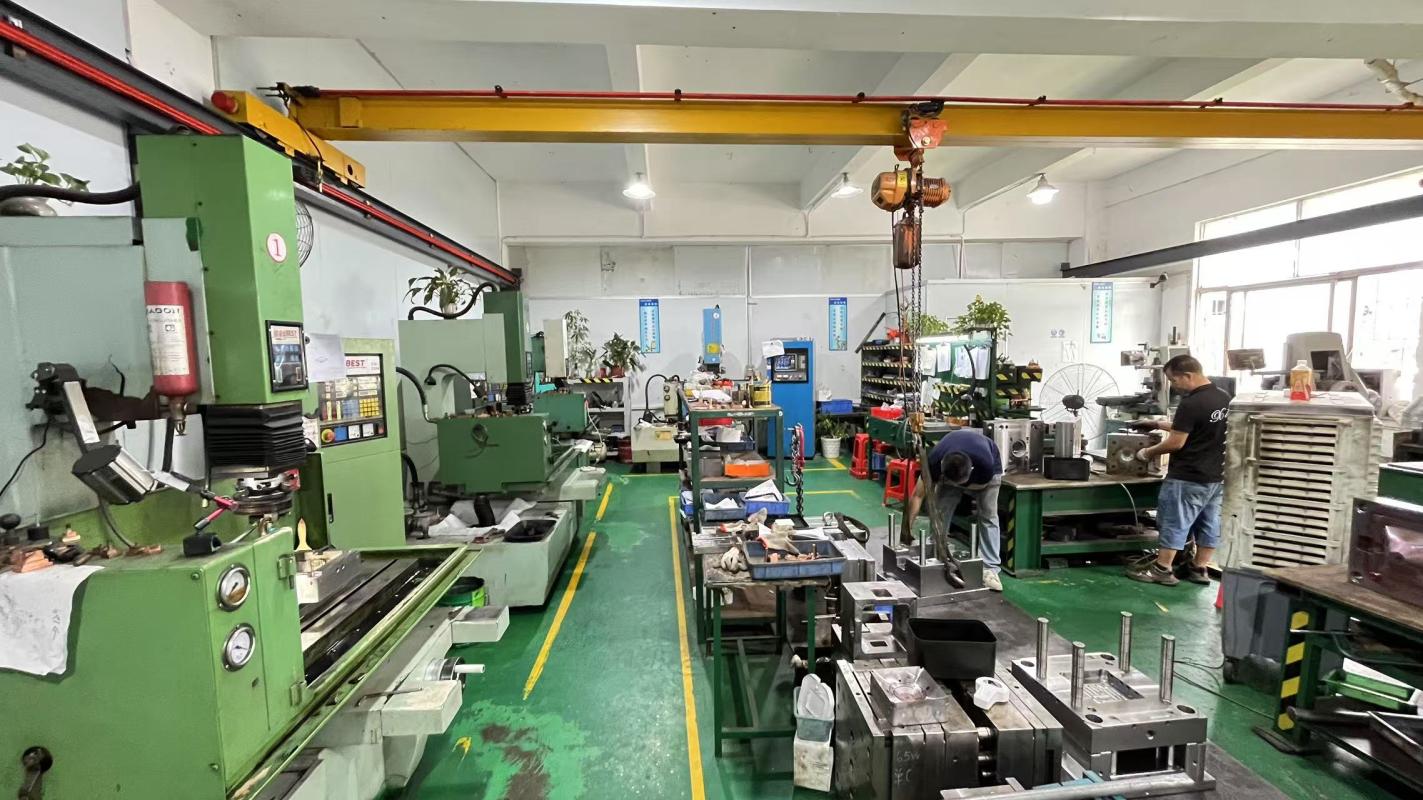
Luminor Beauty enables brand localization for distributors across the Tasman. Our engineering center offers custom logo screen printing, shell color modification, specialized user manuals in NZ English, and bespoke packaging design. Our dedicated mold tooling shop reduces turnaround times significantly.
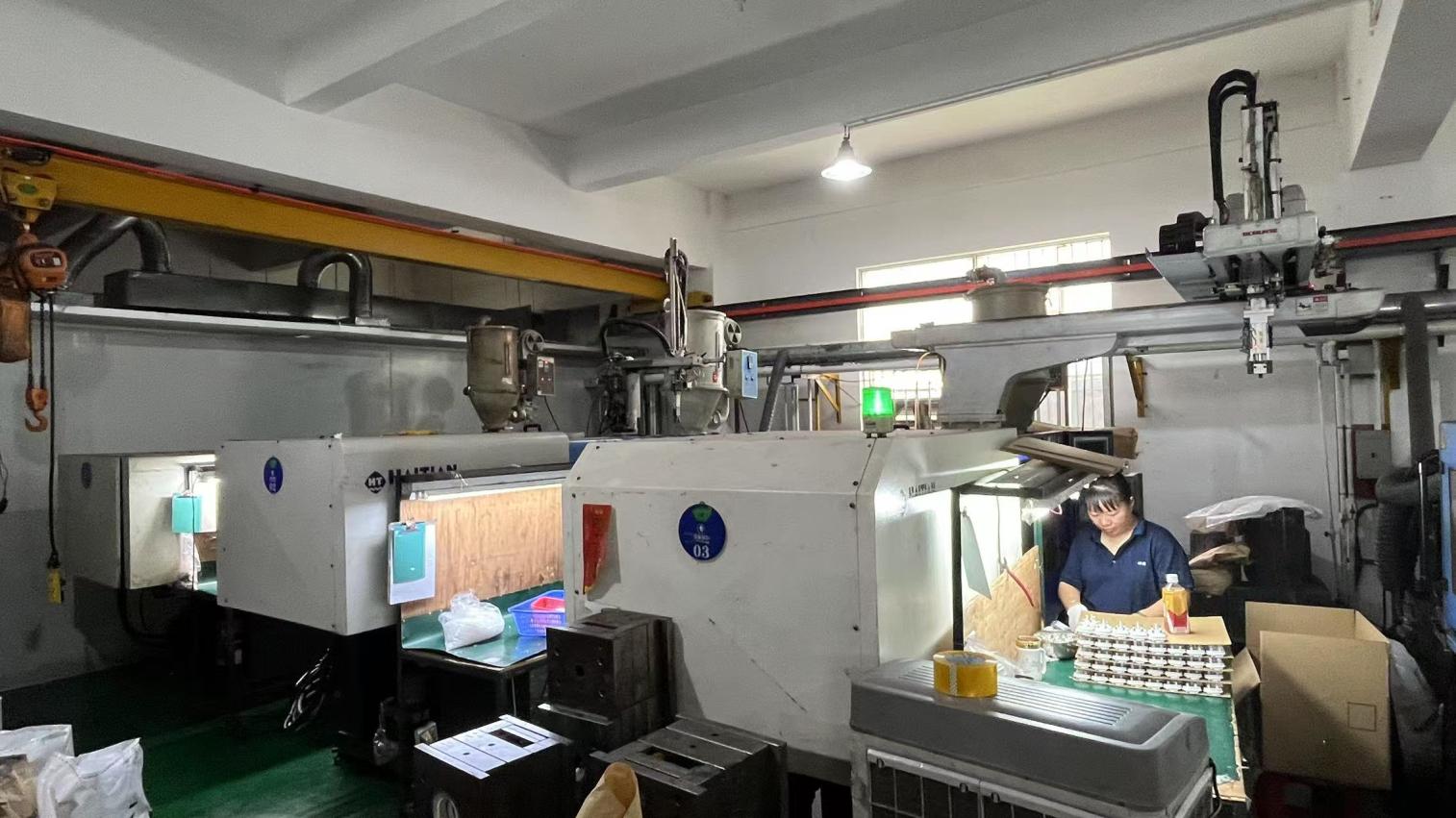
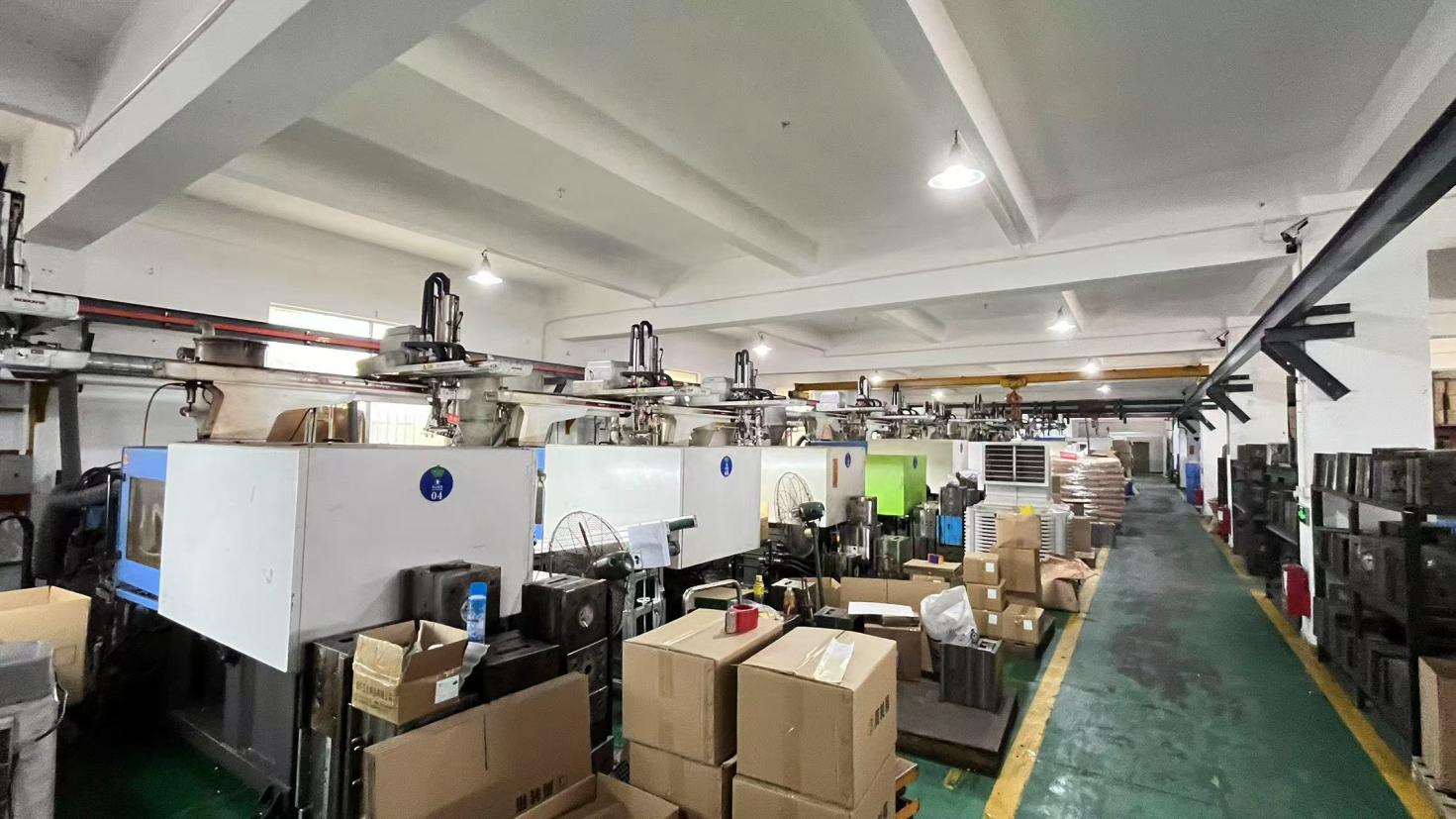
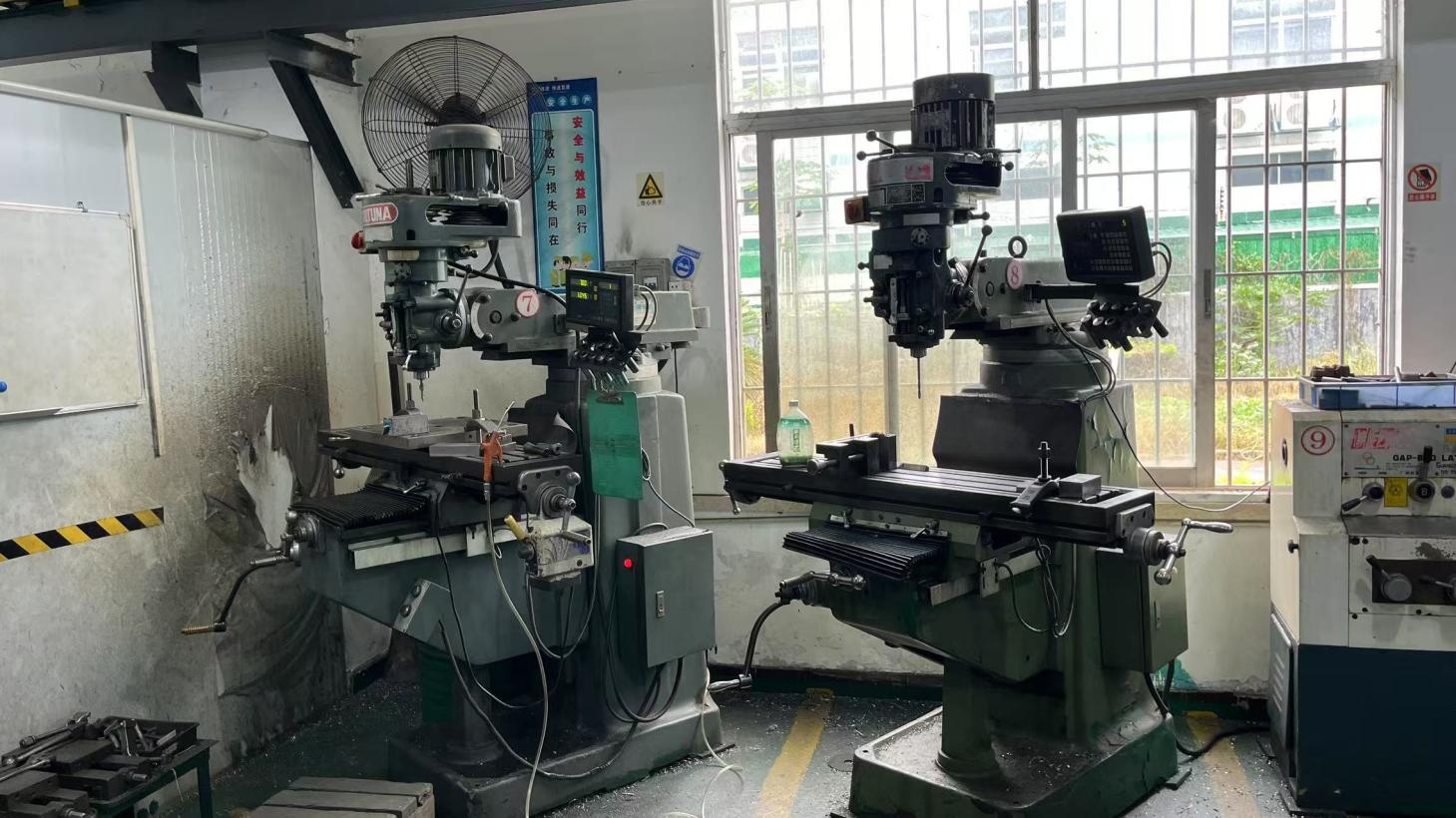
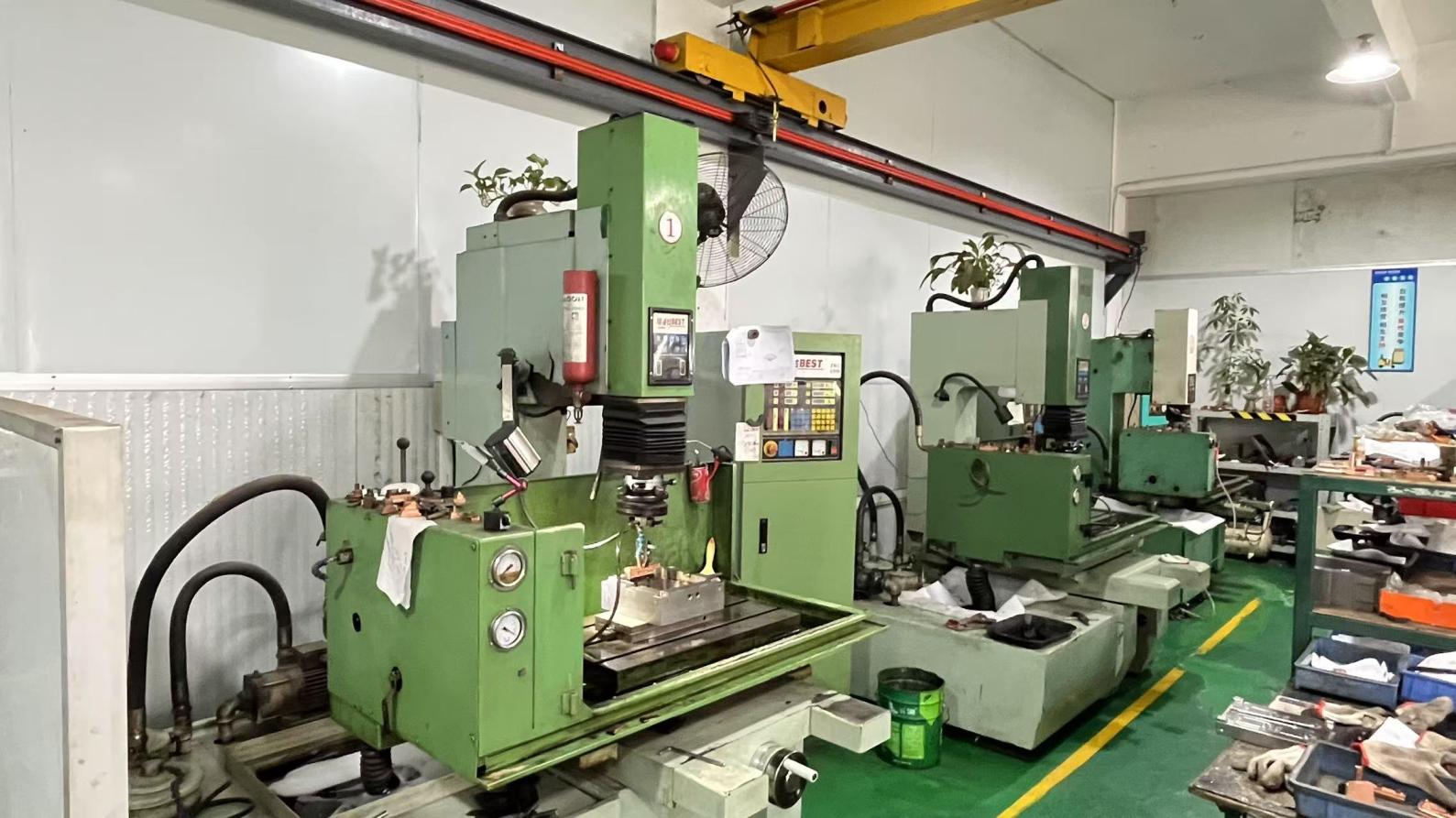
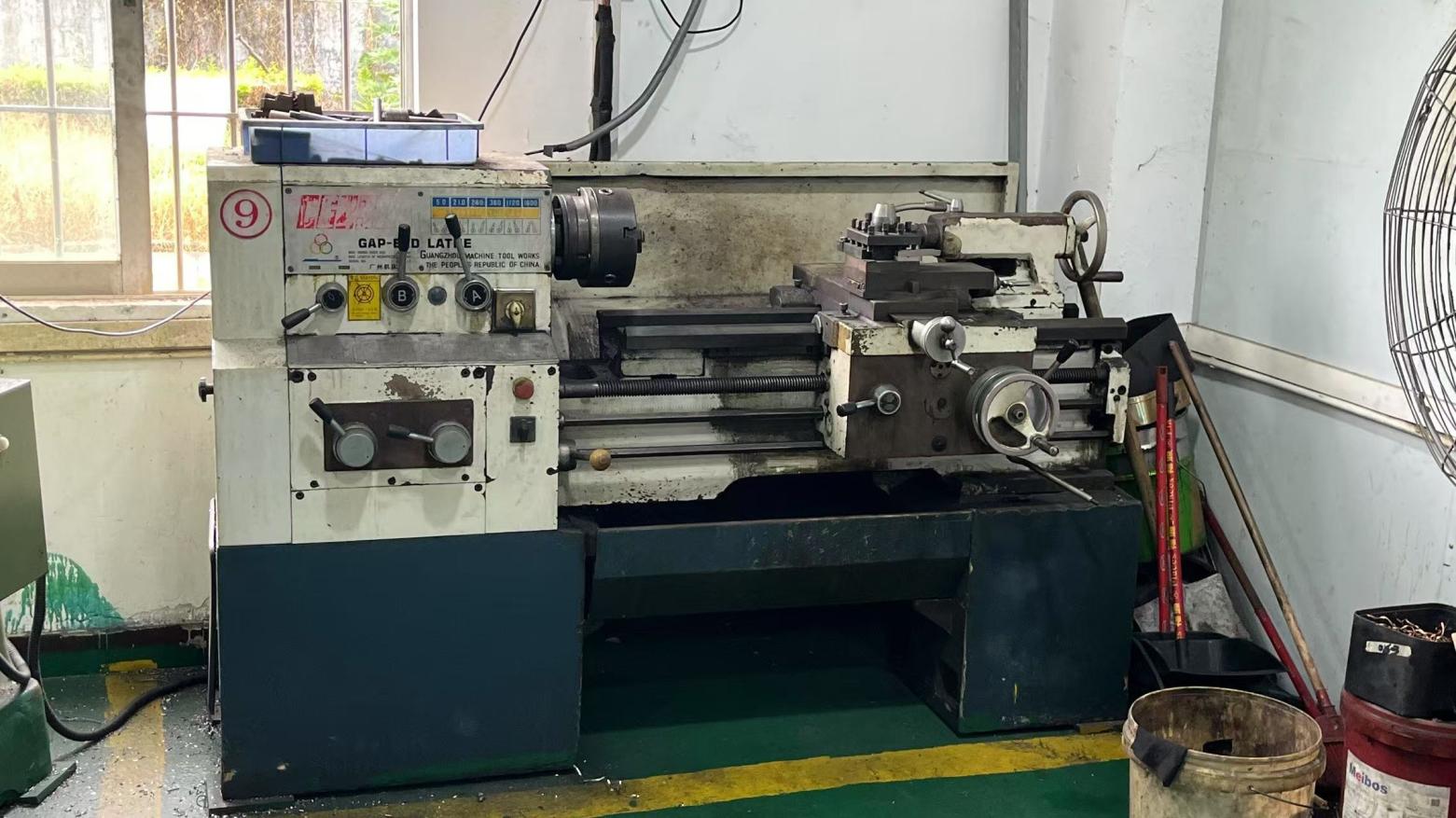
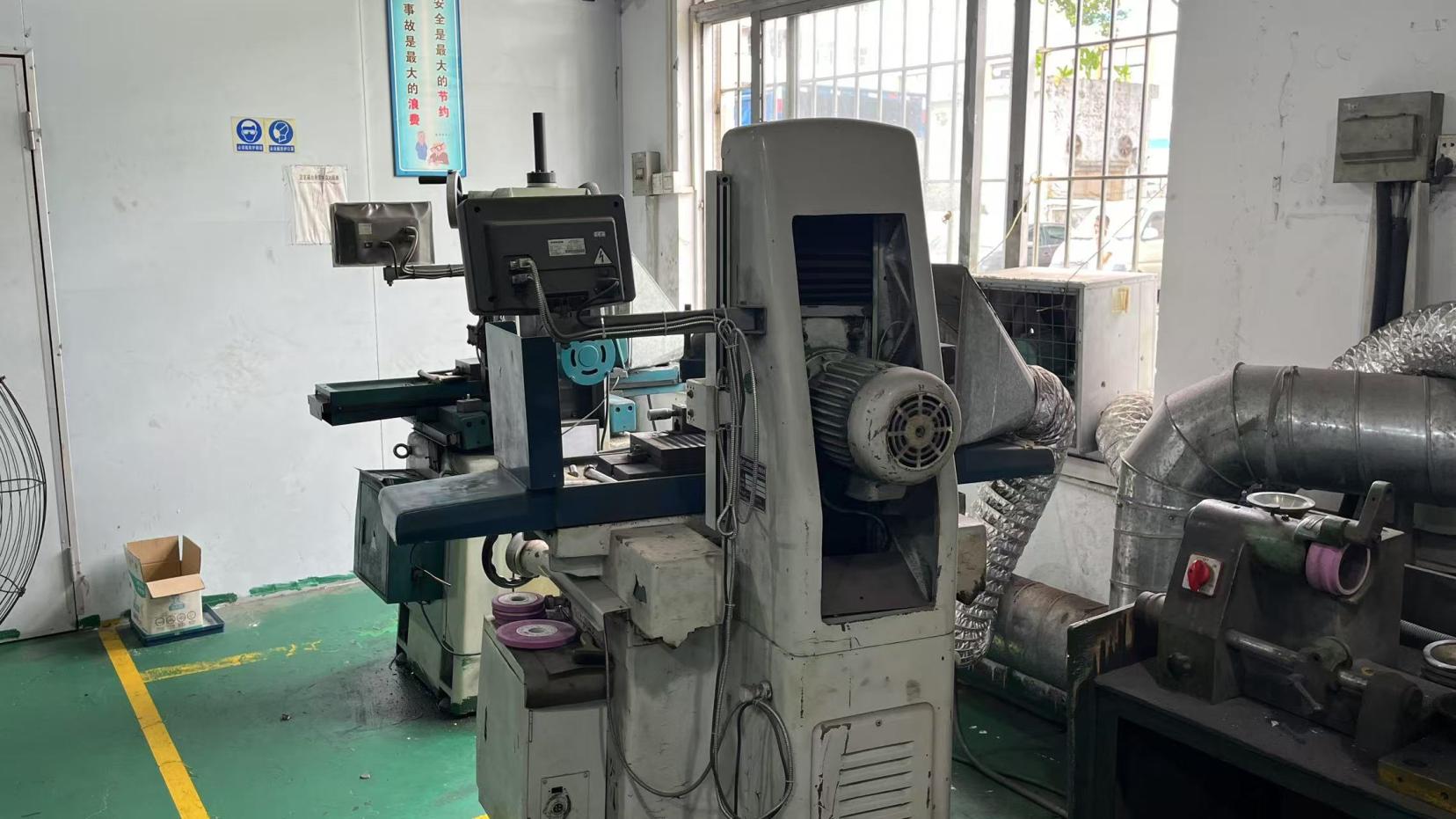
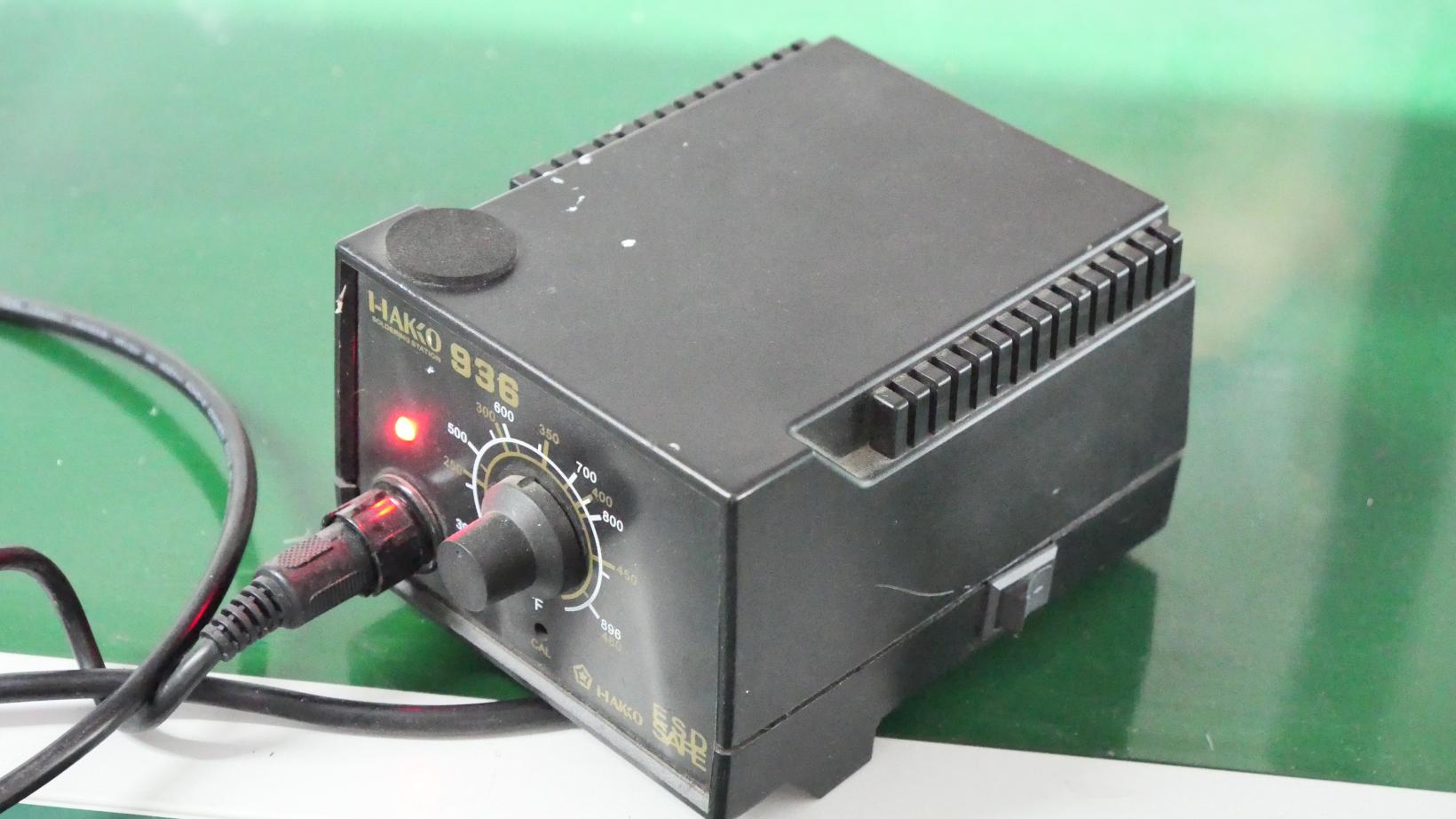
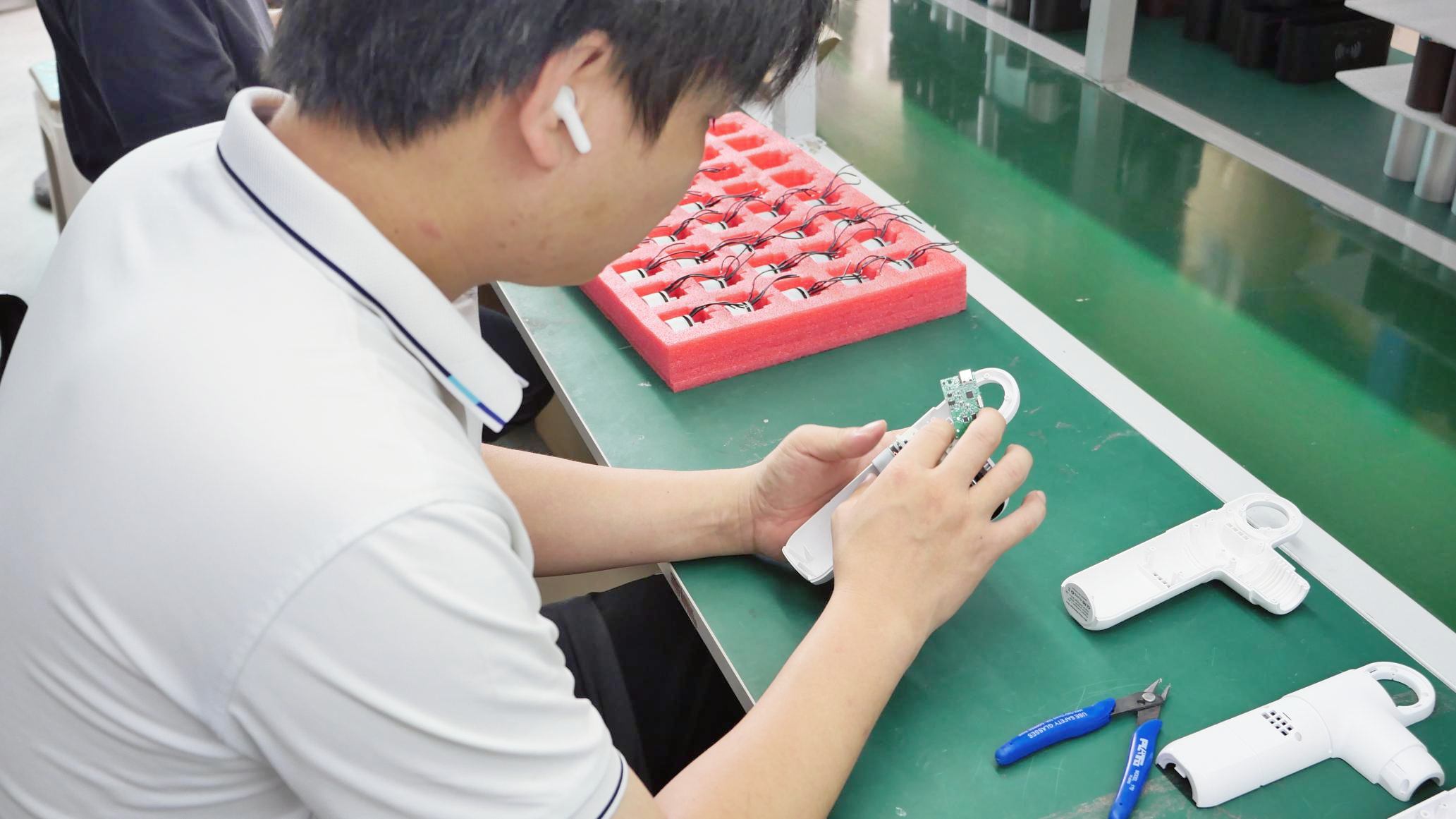
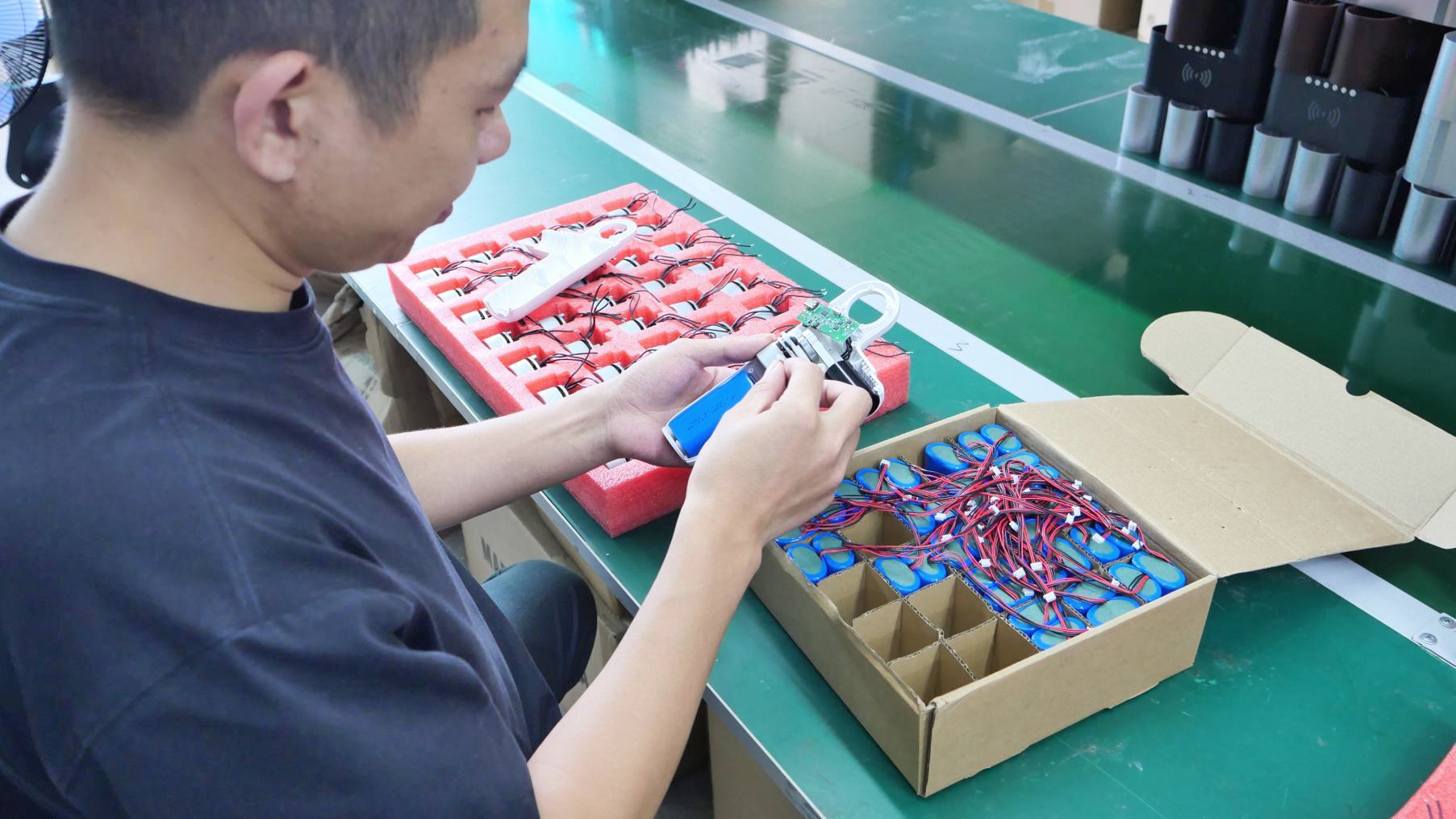
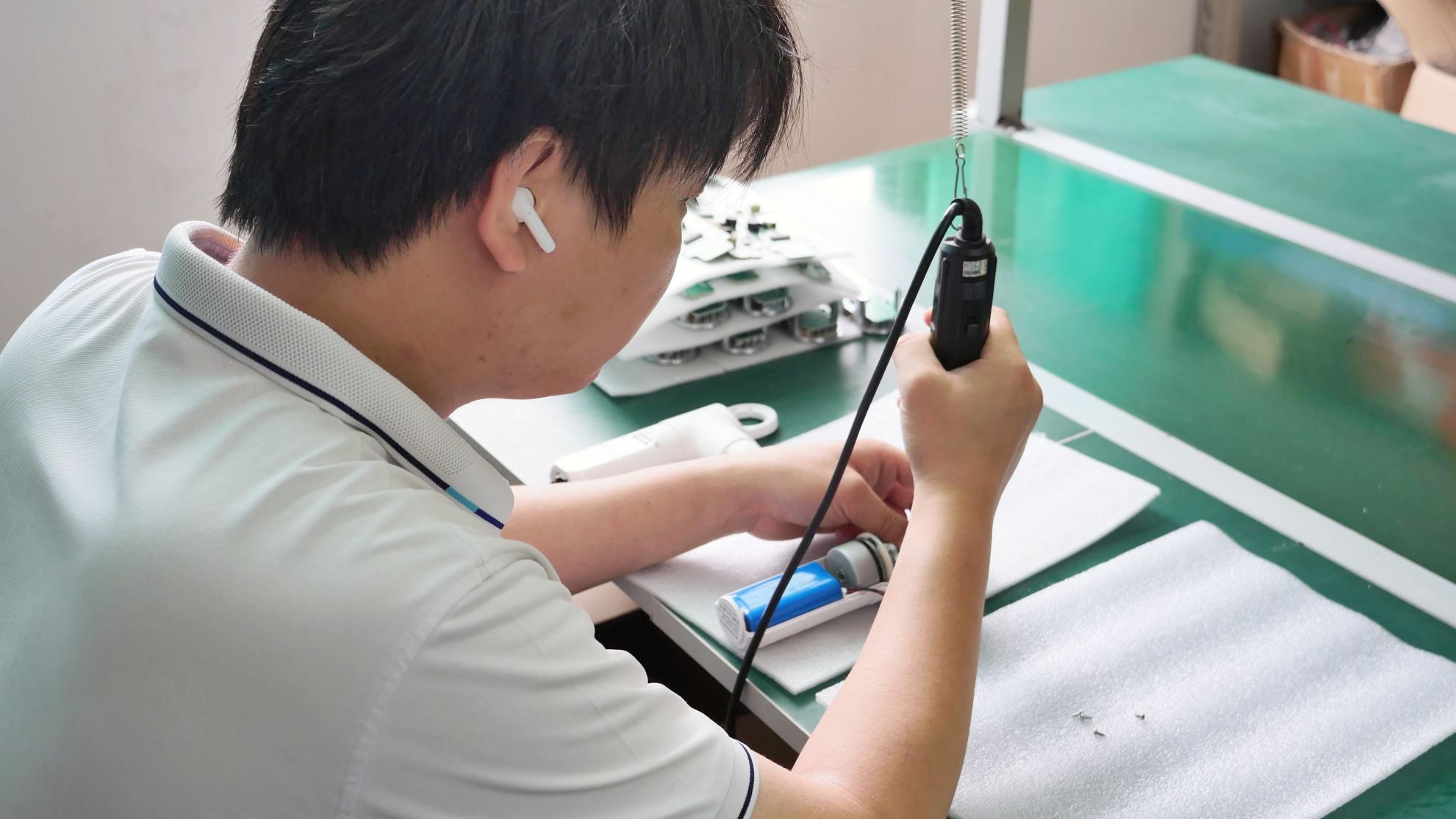
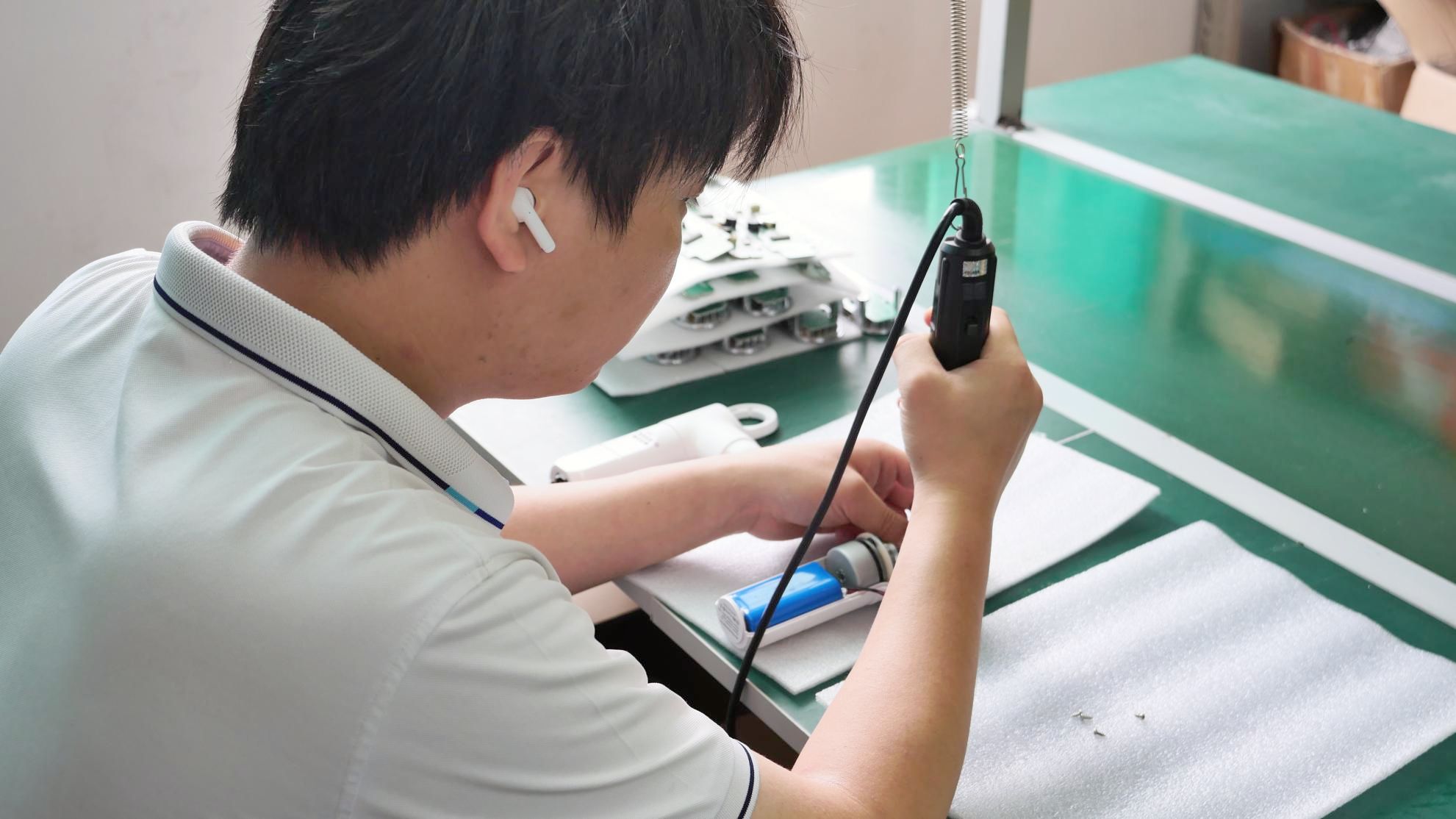
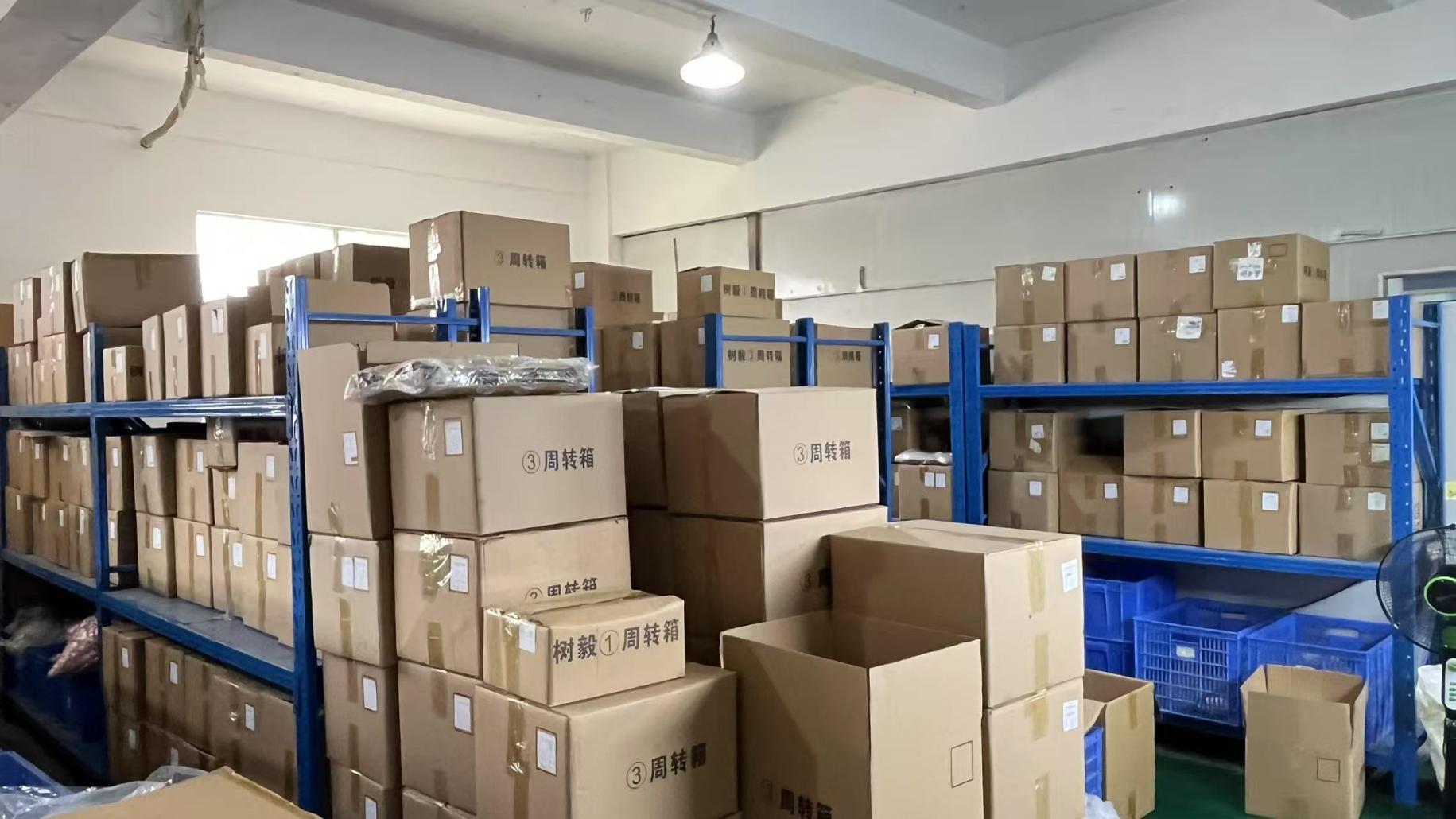
Our operation aligns with Google's Search Quality Rater Guidelines, showing demonstrable physical facilities. We emphasize transparency: every image displayed represents our authentic tooling, injection, assembly, and testing processes within our 4,000 square meter factory floor.
Founded over 12 years ago, we are a comprehensive manufacturing enterprise integrating industrial design, electrical engineering, mold development, and high-precision quality control. Explore our production pipeline:
Plasma is generated when a gas is ionized by high-frequency electrical currents. This state of matter contains highly active ions, free electrons, and radicals. In modern aesthetics, we differentiate between two core technologies:
Our R&D roadmap focuses on incorporating smart feedback systems that read the impedance of the client's skin in real-time, automatically adjusting power output to prevent overheating. This technology will roll out in our 2026 product cycles, ensuring even greater safety for NZ skin therapists.
Under the New Zealand Medicines Act 1981, non-surgical aesthetic devices fall under strict medical or general safety definitions. Guangzhou Luminor provides comprehensive electromagnetic compatibility (EMC) testing reports and LVD safety certificates to help distributors complete the Web Assisted Notification of Devices (WAND) database notification process smoothly.
We test our plasma pens in accordance with international standards that map directly to the AS/NZS 60335 series. Our devices utilize low-voltage charging docks or standard adapters with Australian/New Zealand plugs (SAA certified) to guarantee safe salon and home use across Auckland, Wellington, and beyond.
Every shipment destined for New Zealand includes access to digital training portals. We offer step-by-step user guides, video demonstrations, safety protocol blueprints for skin therapists, and technical engineering support. If replacement tips or power docks are needed, they are shipped priority to prevent clinic downtime.
A comprehensive portfolio of home-use, portable, and desktop plasma equipment designed to cover every aesthetic vertical.
Deep technological insights to guide clinic owners, distributors, and buyers through purchase decisions.
Hot (thermal) plasma devices, often called fibroblast pens, generate a high-temperature micro-arc to sublimate tiny pinpoints of the epidermis. This is excellent for target-area skin tightening (e.g., non-surgical blepharoplasty, skin tag removal). Cold plasma works at lower temperatures (typically 35–40°C) and is designed for face-wide skin rejuvenation, transdermal cosmetic absorption, and antibacterial sterilizing for acne care.
Yes. Our manufacturing facilities output products matching CE, RoHS, and electrical standards that conform to Australia/New Zealand standards (AS/NZS 3820 and AS/NZS 60335 series). We provide full EMC testing documentation to support your local WAND notification or Medsafe filings. SAA-certified power plugs are provided directly from our factory floor.
Absolutely. We operate a complete 4,000 square meter facility including mold tooling and plastic injection departments. We provide tailored services including outer shell coloration, private branding/logo print, customized digital UI operating interfaces, and bespoke clinical training booklets.
For standard express orders (via DHL, FedEx, or UPS), delivery to Auckland, Wellington, or Christchurch takes approximately 5–9 business days. For bulk sea freight to Auckland or Tauranga ports, the shipping window spans 18–25 days depending on the routing schedule. All items are packed in shockproof clinical flight-cases or reinforced export cartons.
 Luminor Beauty