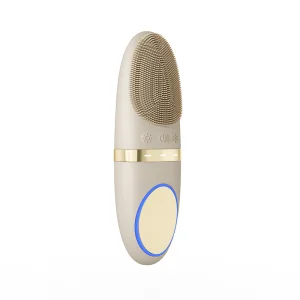
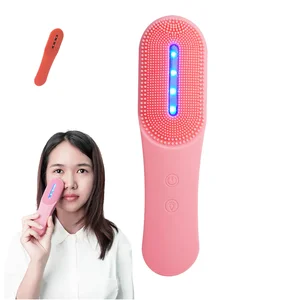
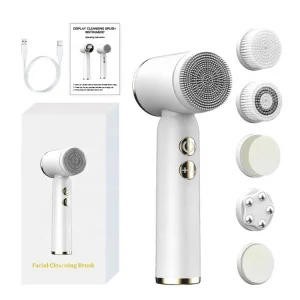
Pre-certified, high-reliability devices optimized for quick deployment in Tokyo's department stores, clinical salons, and high-end boutique outlets.
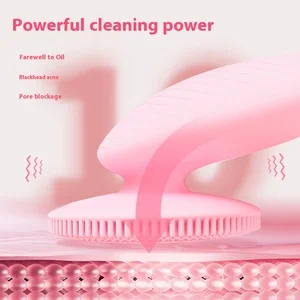
Tokyo stands as the undisputed epicenter of the global J-Beauty industry, representing a sophisticated consumer base that demands unmatched quality, clinical validation, and aesthetic minimalism. Unlike many Western markets where abrasive mechanical facial brushes historically dominated, Tokyo's cosmetic space is structurally anchored in frictionless skincare and skin-barrier preservation. Tokyo consumers—whether shopping in Ginza’s ultra-premium department stores, Shibuya's trendsetting retail hubs, or consulting aesthetic dermatologists in Minato-ku—prioritize deep pore hygiene without disrupting the delicate stratum corneum.
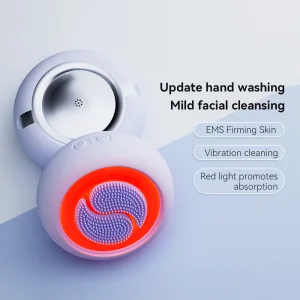
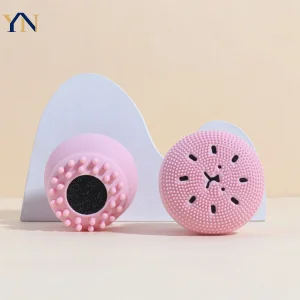
This fundamental market trait has generated a surging B2B demand for premium silicone-based sonic cleansing devices. Over the past three years, Tokyo's aesthetic clinics and wellness spas have increasingly integrated hand-held sonic transducers into their facial prep regimens. Because J-Beauty formulations lean heavily toward botanical extracts and oil-based serums, proper emulsification and residue removal via sonic micro-oscillations are crucial. The industrial consensus in Tokyo points toward a hybrid tool trend: devices must not only clean but also serve as transdermal delivery systems for active anti-aging ingredients, utilizing thermal, micro-current, and LED-wavelength modulations.
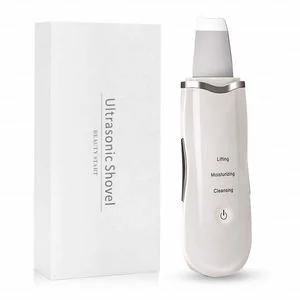
Understanding the differentiation between sonic oscillation and ultrasonic cavitation is vital for global brands looking to source high-yield beauty technology. Luminor Beauty’s engineering division focuses on two main energy paths:
Operating within the acoustic spectrum, sonic devices utilize balanced electromagnetic motors or piezoelectric transducers to generate lateral mechanical micro-sweeps. By matching the natural elasticity of human skin, these vibrations break surface sebum bonds and pull microscopic impurities out of pores without causing friction micro-tears.
Ultrasonic spatulas and scrubbers operate far above human hearing. By generating high-frequency mechanical pressure waves in water or cleansing media, they induce localized acoustic cavitation. Micro-bubbles form, expand, and implode violently at a microscopic scale, peeling away dead keratin cells and emulsifying sebum instantly.
The next generation of beauty devices focuses on integration. High-efficiency PTC heating elements (maintaining a precise 52°C thermal plane) prepare the skin, while narrowband LED phototherapy (630nm red for collagen induction, 415nm blue for sebaceous regulation) runs simultaneously to provide clinical-level results at home.
For global importers, brand managers, and cosmetic distributors, bringing a beauty device to market is a complex engineering and logistic puzzle. A reliable supplier must serve as more than a mere assembly shop; they must function as an integrated technology partner offering comprehensive product life-cycle solutions:
Importing beauty electronics into Tokyo requires strict compliance with domestic safety and healthcare regulations. At Guangzhou Luminor Beauty Co., Ltd., we have established a specialized compliance workflow to ensure seamless entry into the Japanese market:
All AC adapters, rechargeable docks, and internal lithium battery packs must conform to the strict testing guidelines set by METI (Ministry of Economy, Trade and Industry). We supply certified electrical components, testing reports, and coordinate closely with Japanese registered importers for METI notifications.
Since cleansing bristles make direct contact with human facial skin under moisture-rich environments, our raw silicone is strictly medical-grade and undergo ISO 10993 tests for cytotoxicity, skin irritation, and delayed hypersensitivity, protecting your brand from consumer liability.
Our products undergo vacuum decay leak tests and water immersion challenges to confirm complete protection against temporary immersion in water (up to 1 meter depth for 30 minutes), perfectly matching the high-humidity bathing routines popular in Japan.
Guangzhou Luminor Beauty Co., Ltd. spans over 4,000 square meters of highly automated production space. We combine high-speed production with rigorous precision testing. Our internal structure features specialized tooling workshops, high-pressure silicone liquid injection molds, automated dust-free assembly lines, and advanced quality assurance equipment.
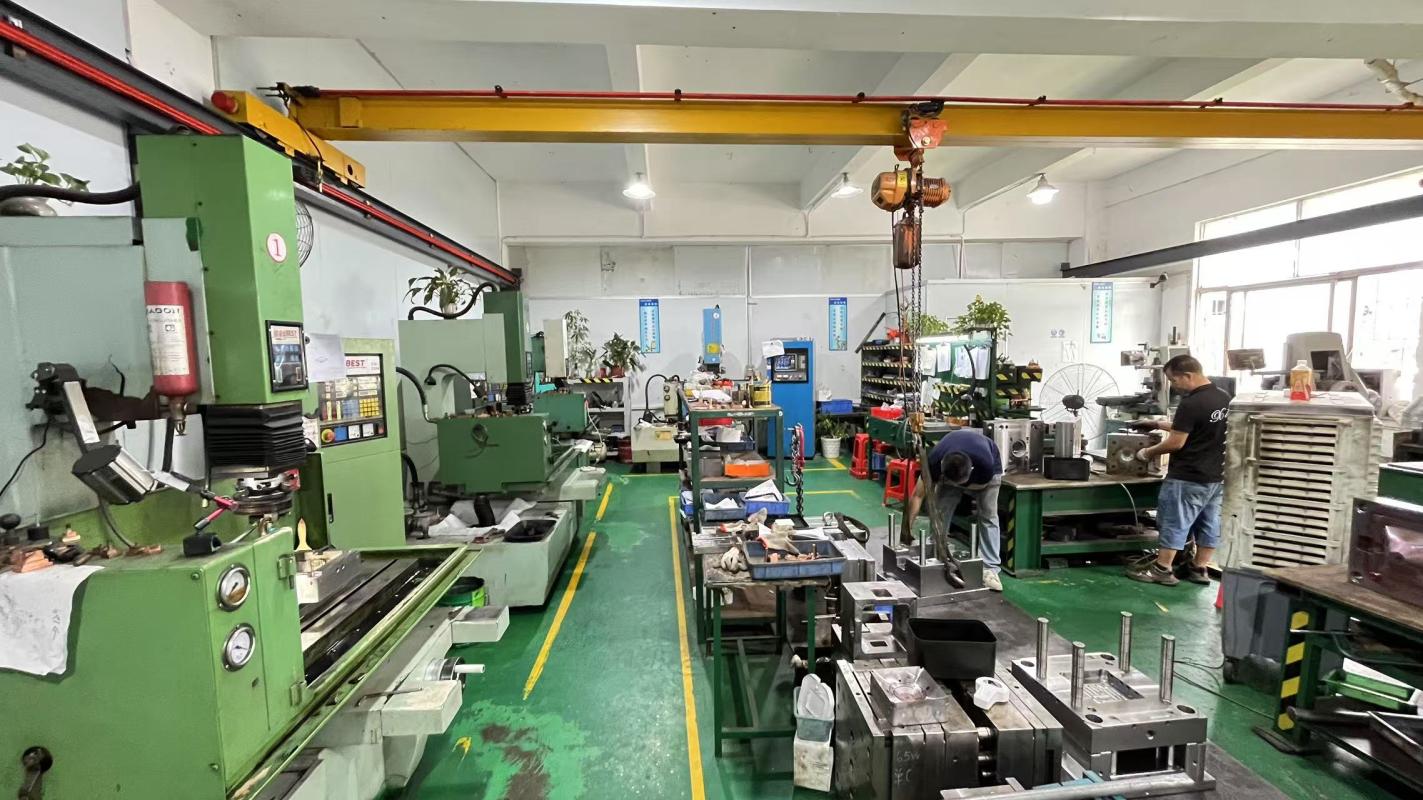
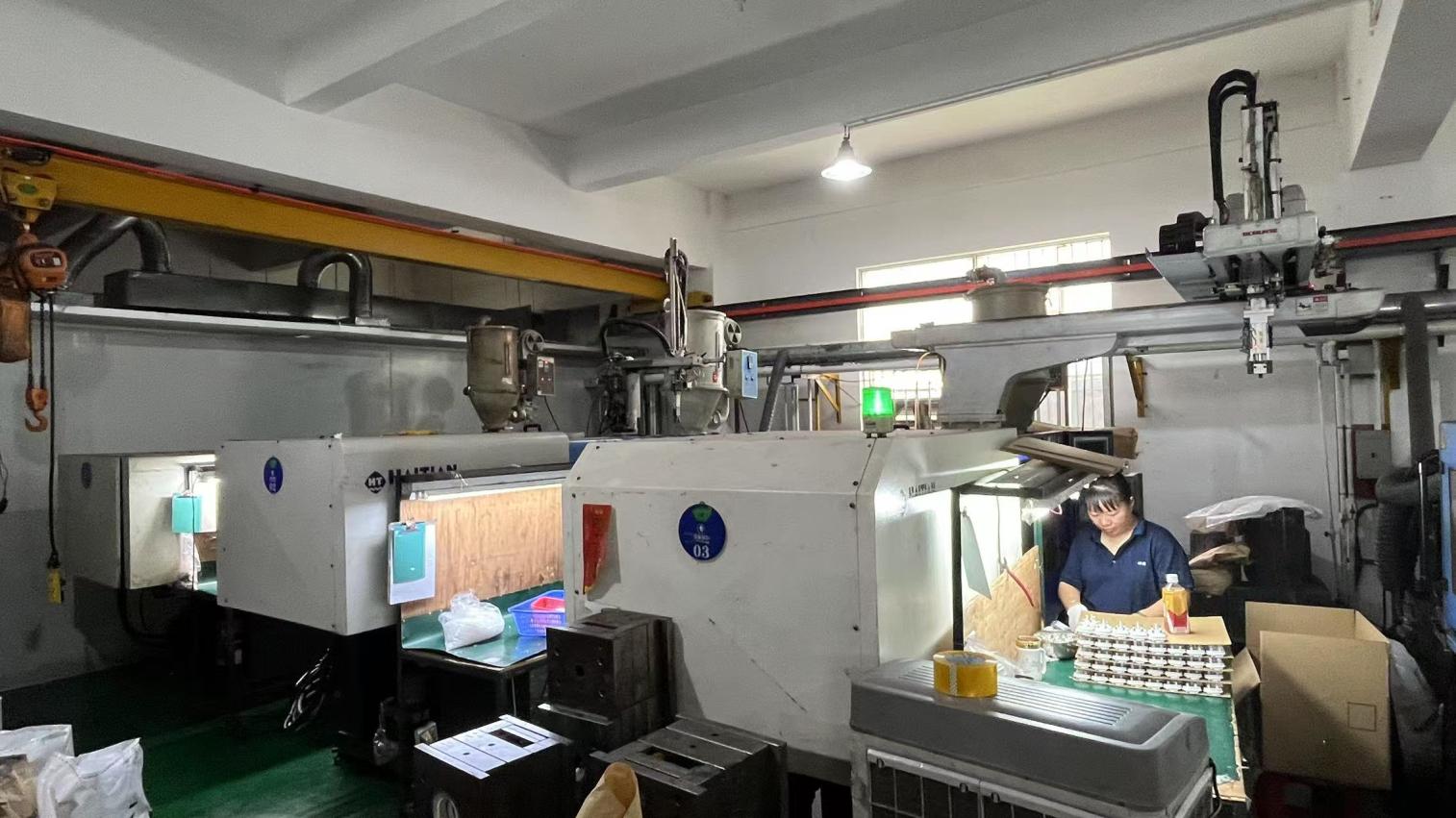
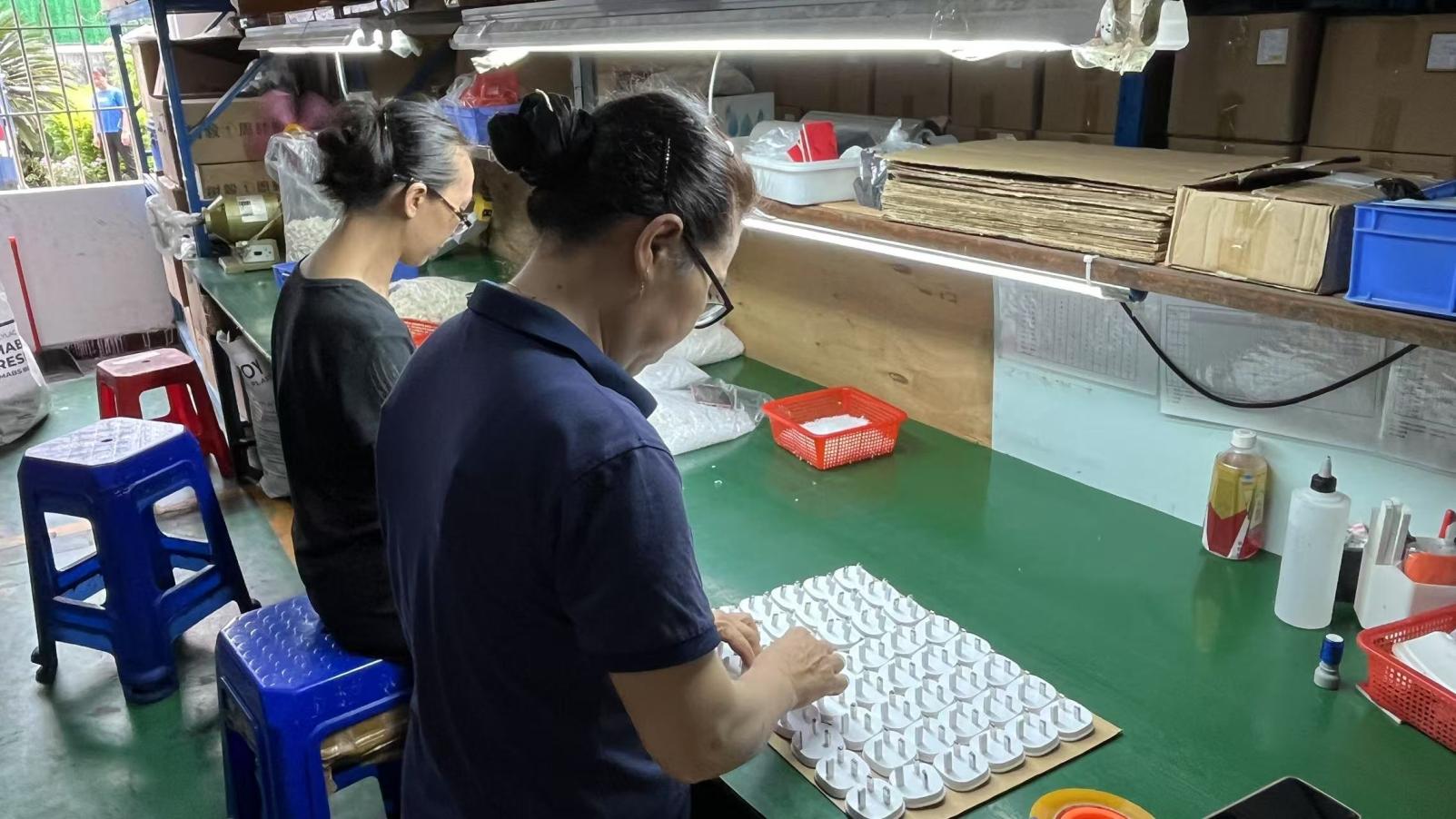
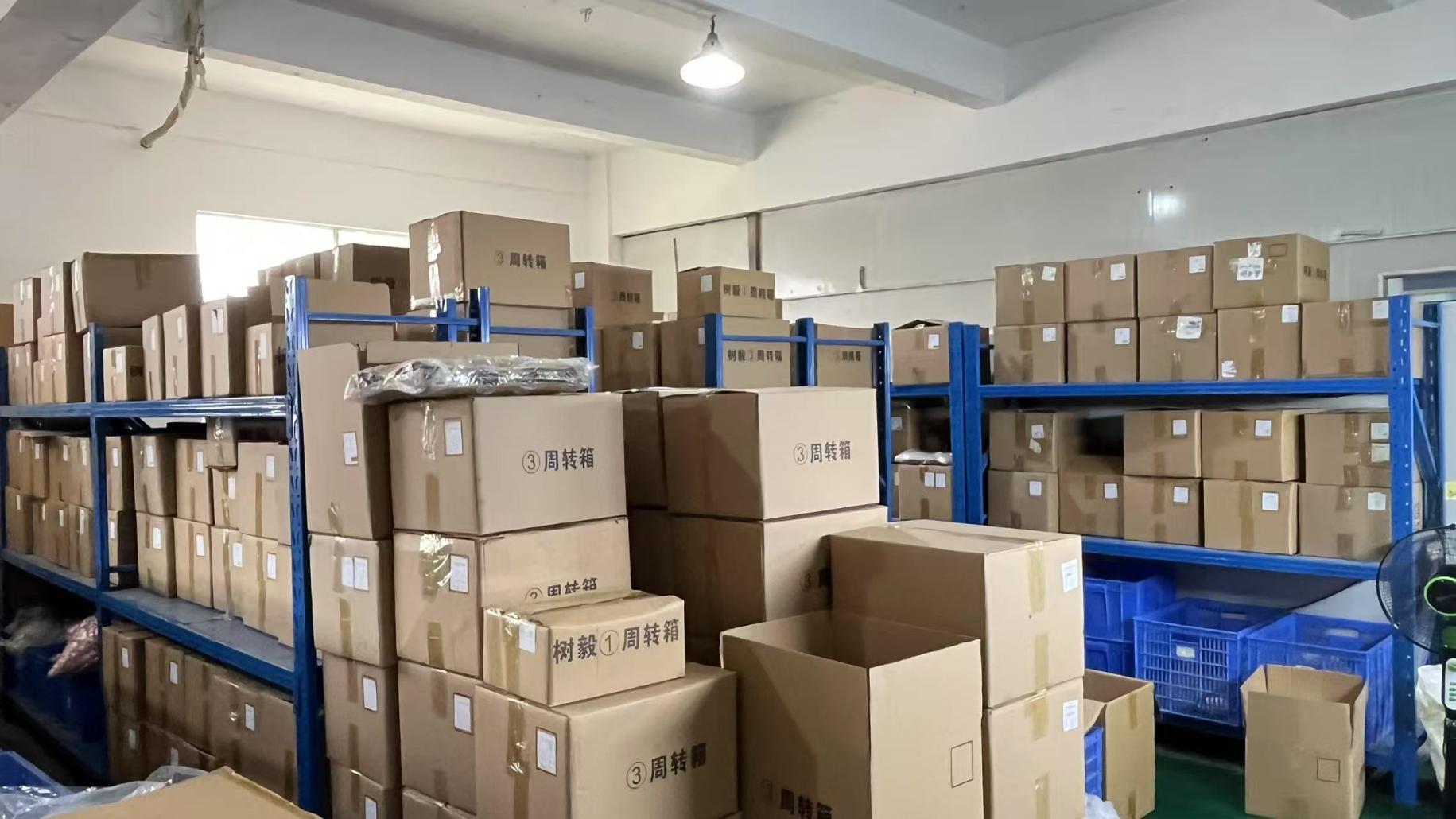
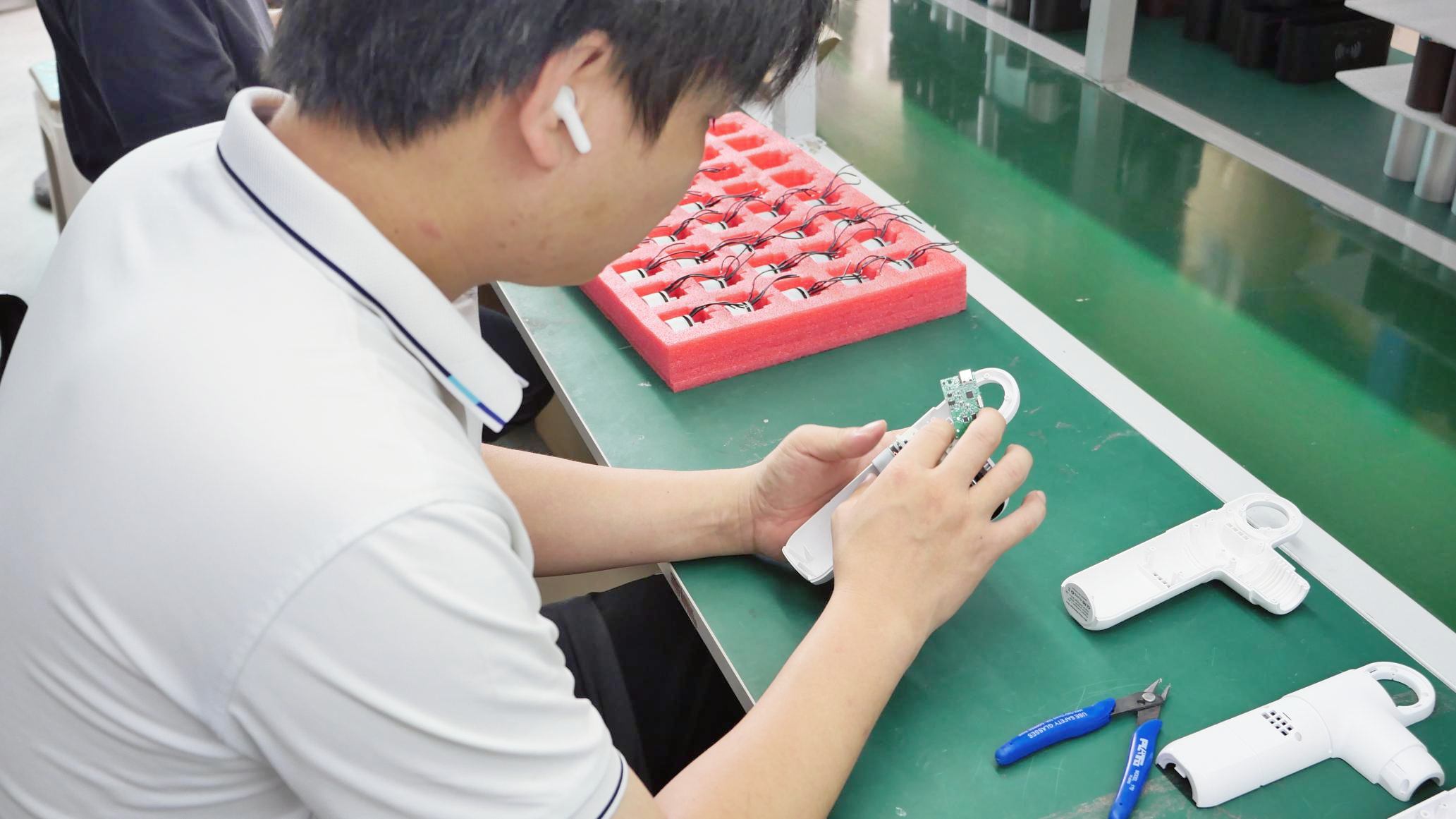
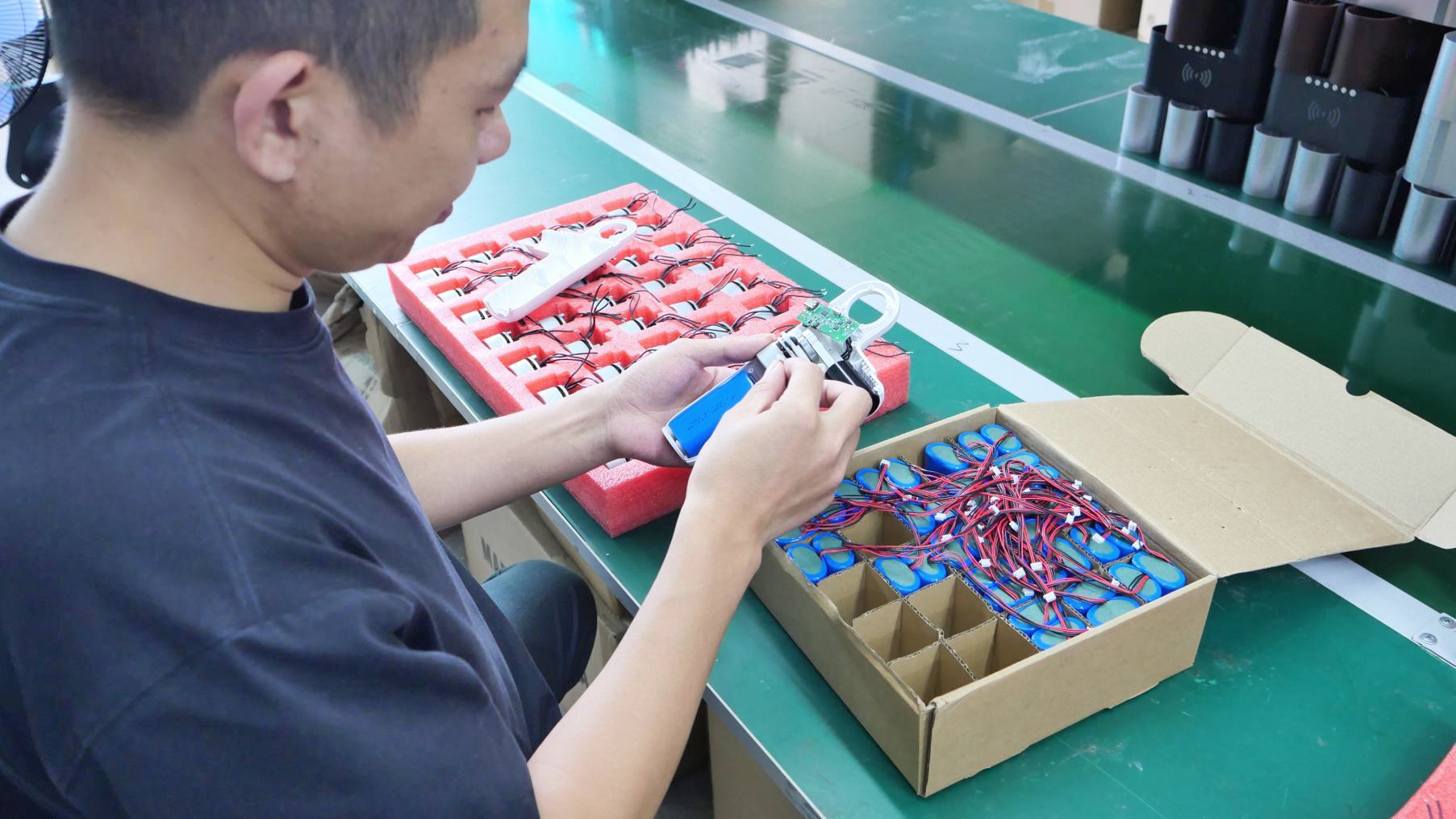
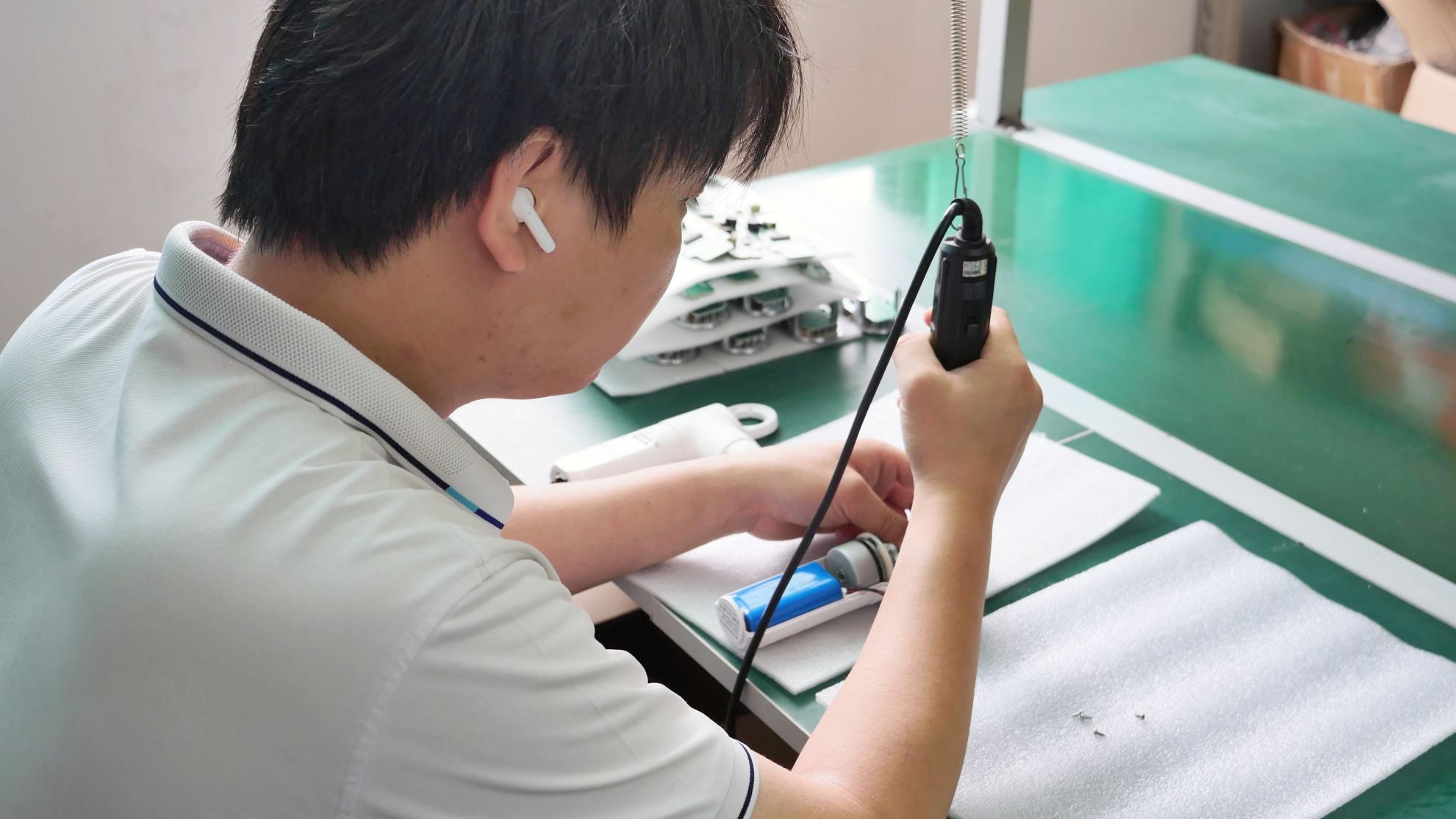
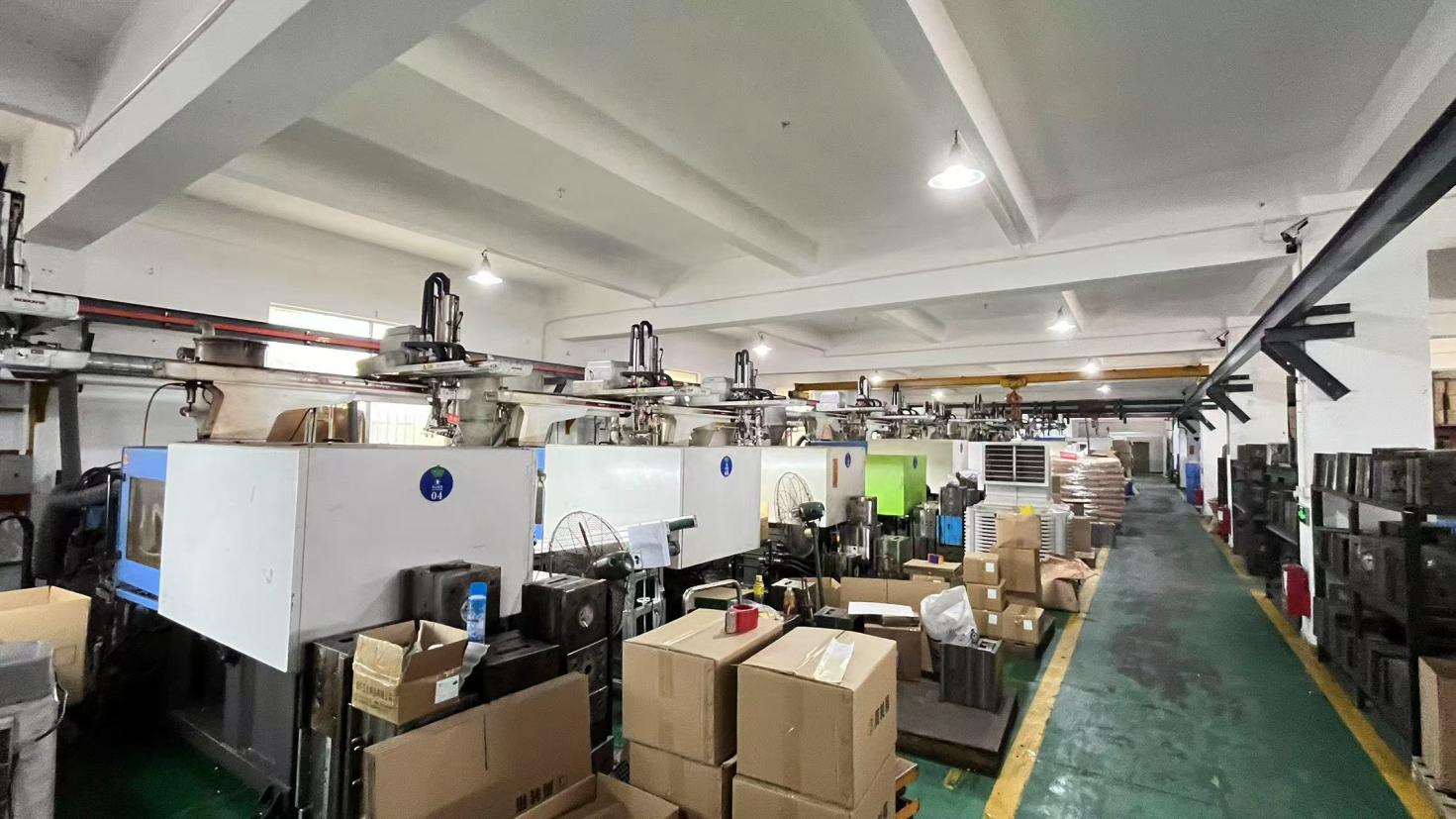
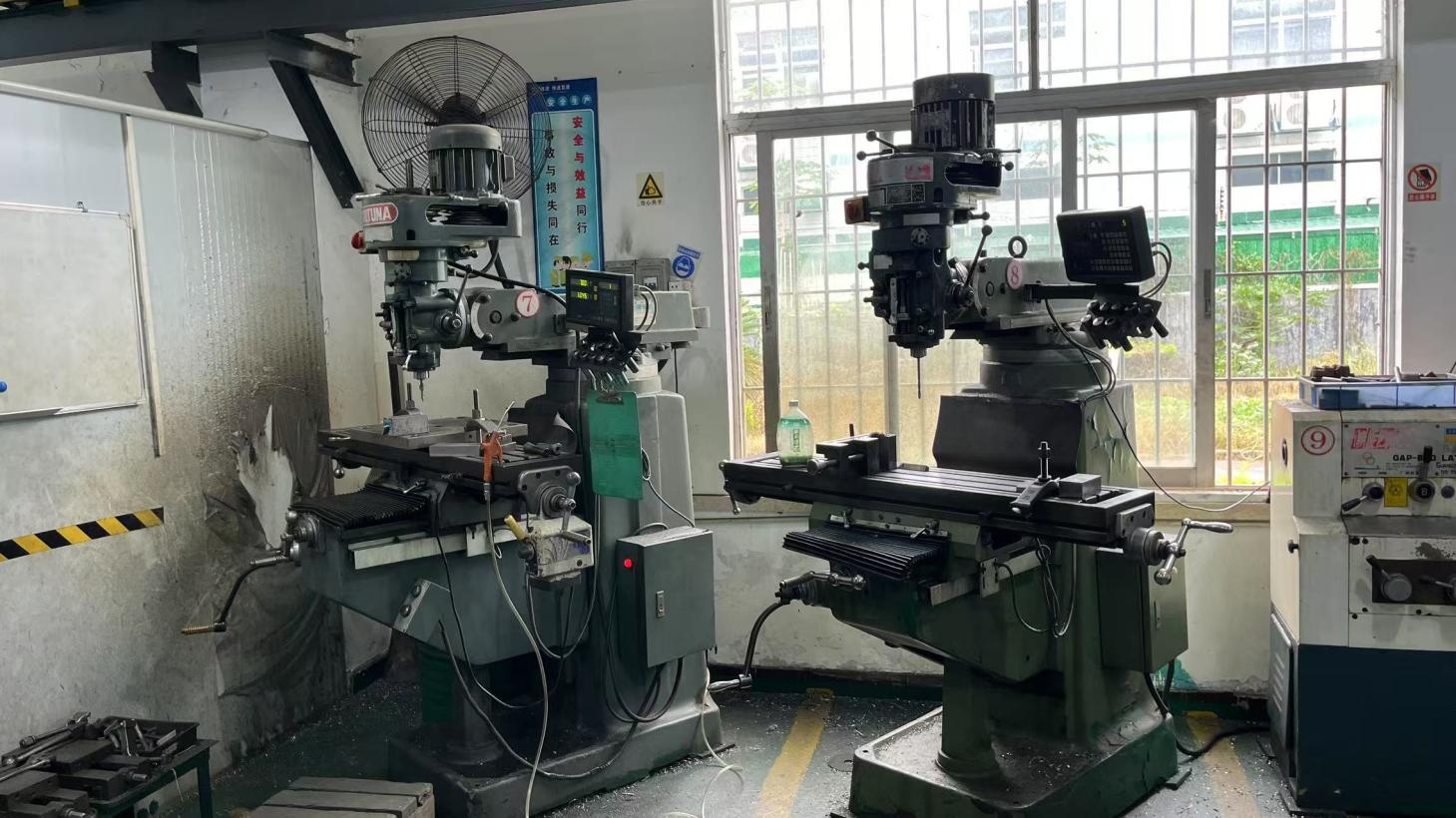
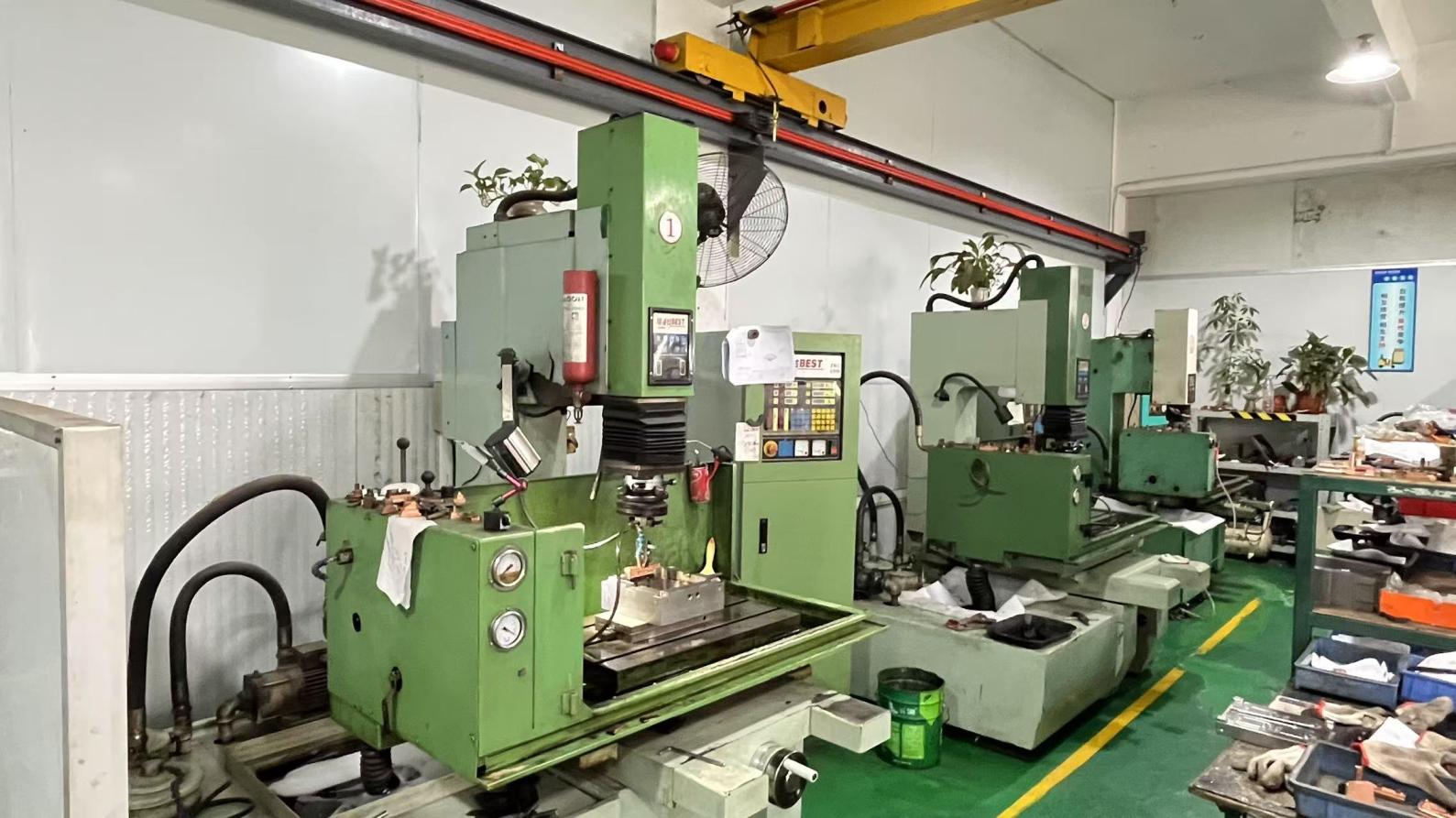
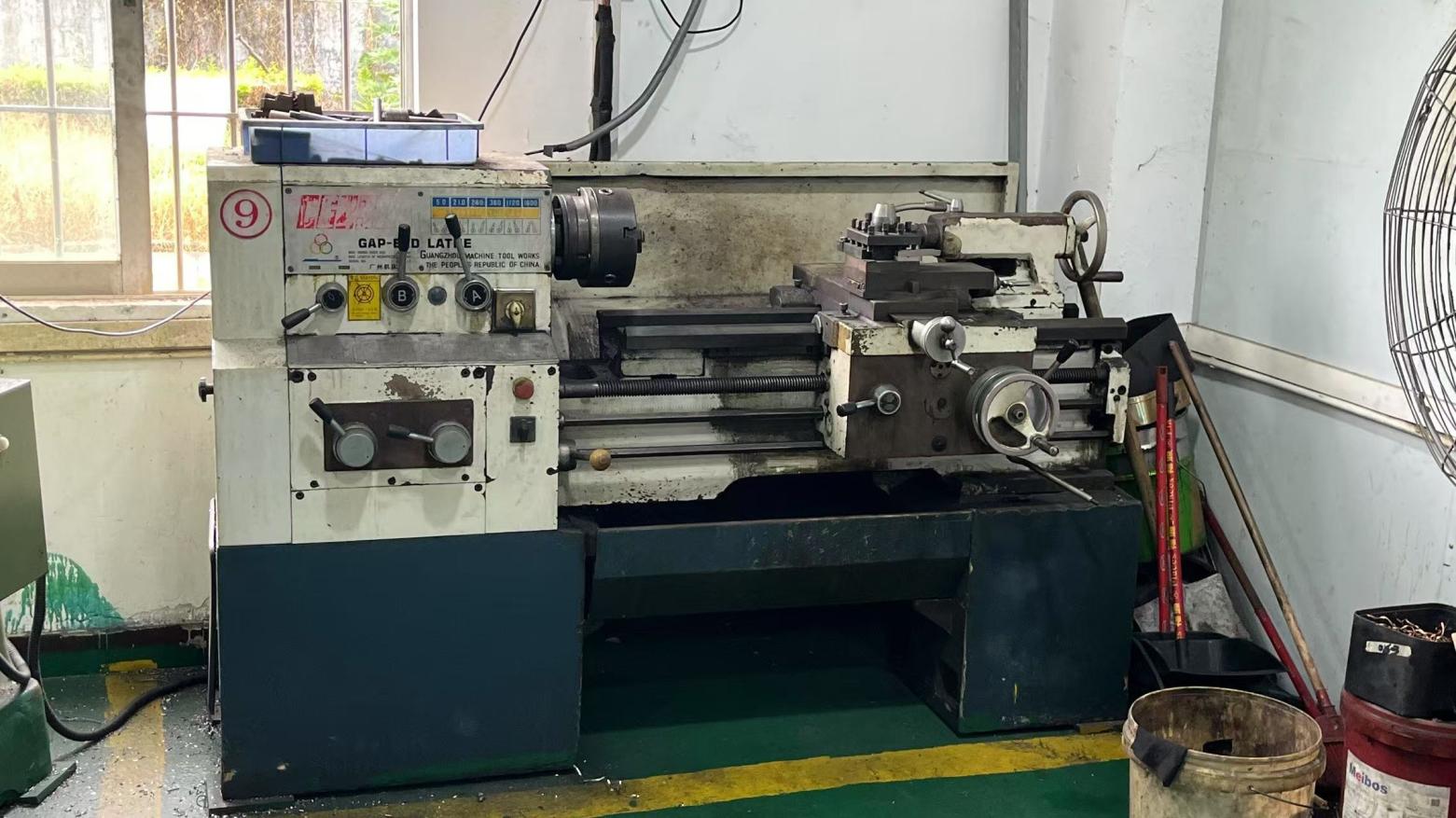
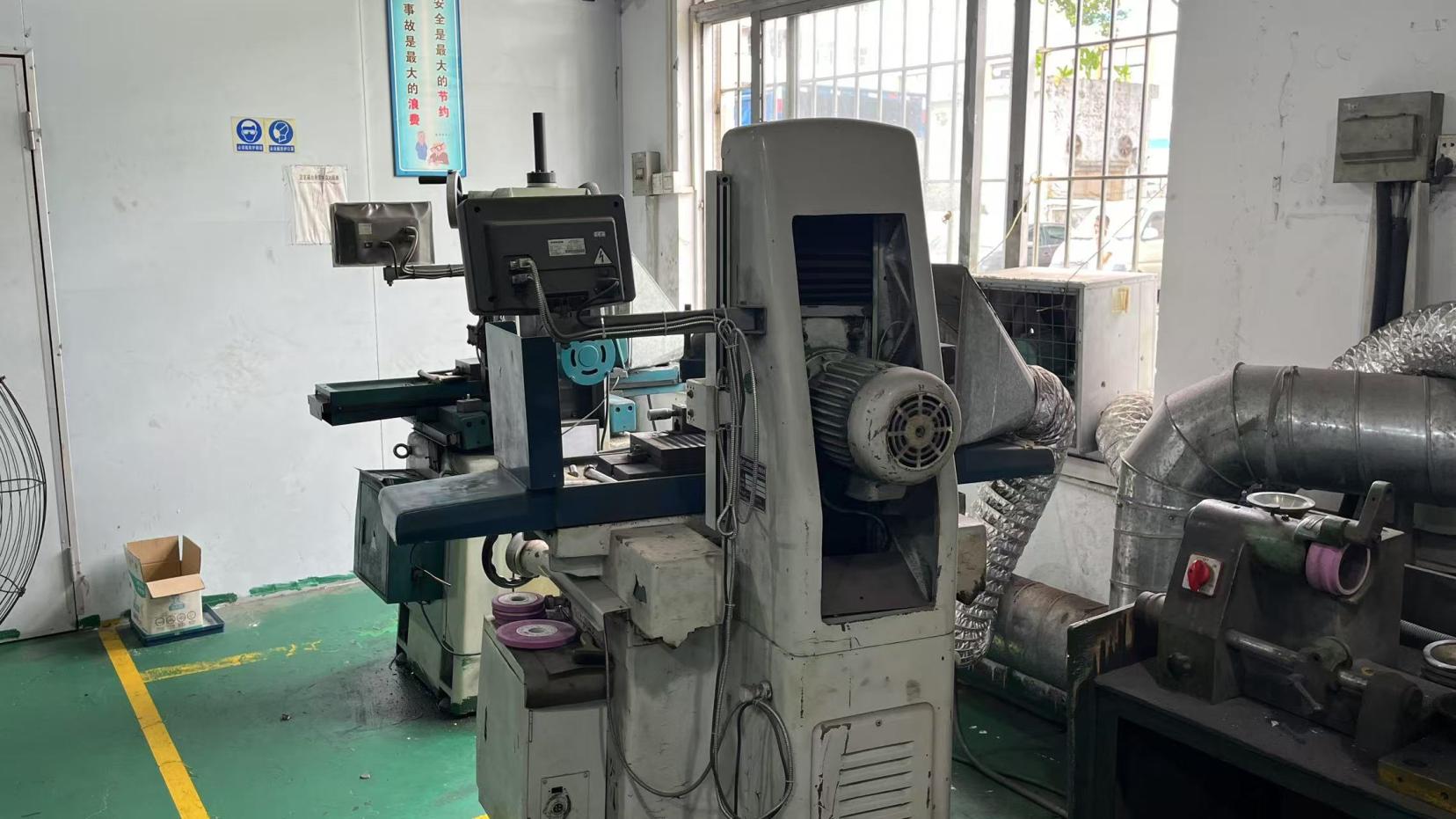
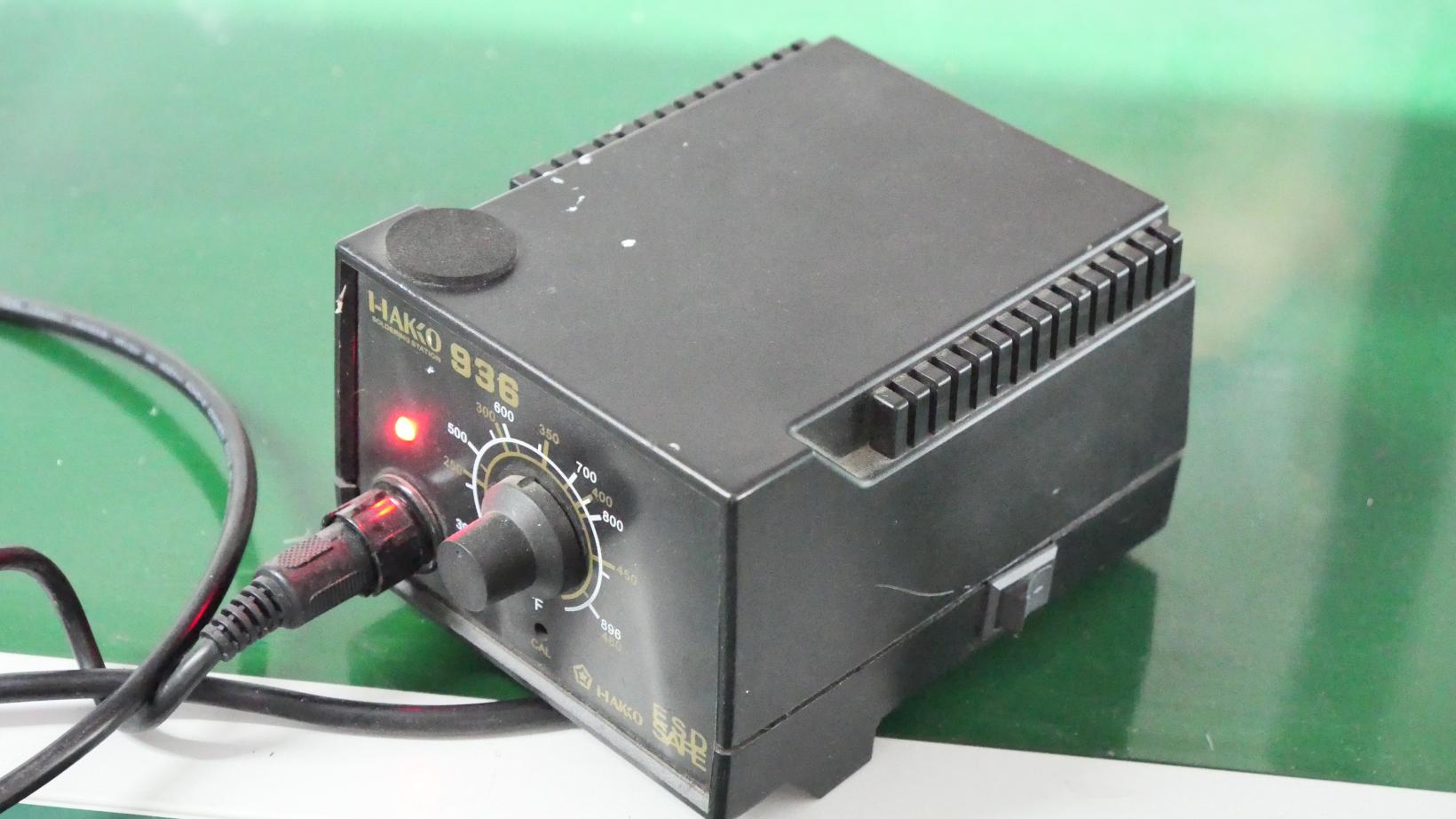
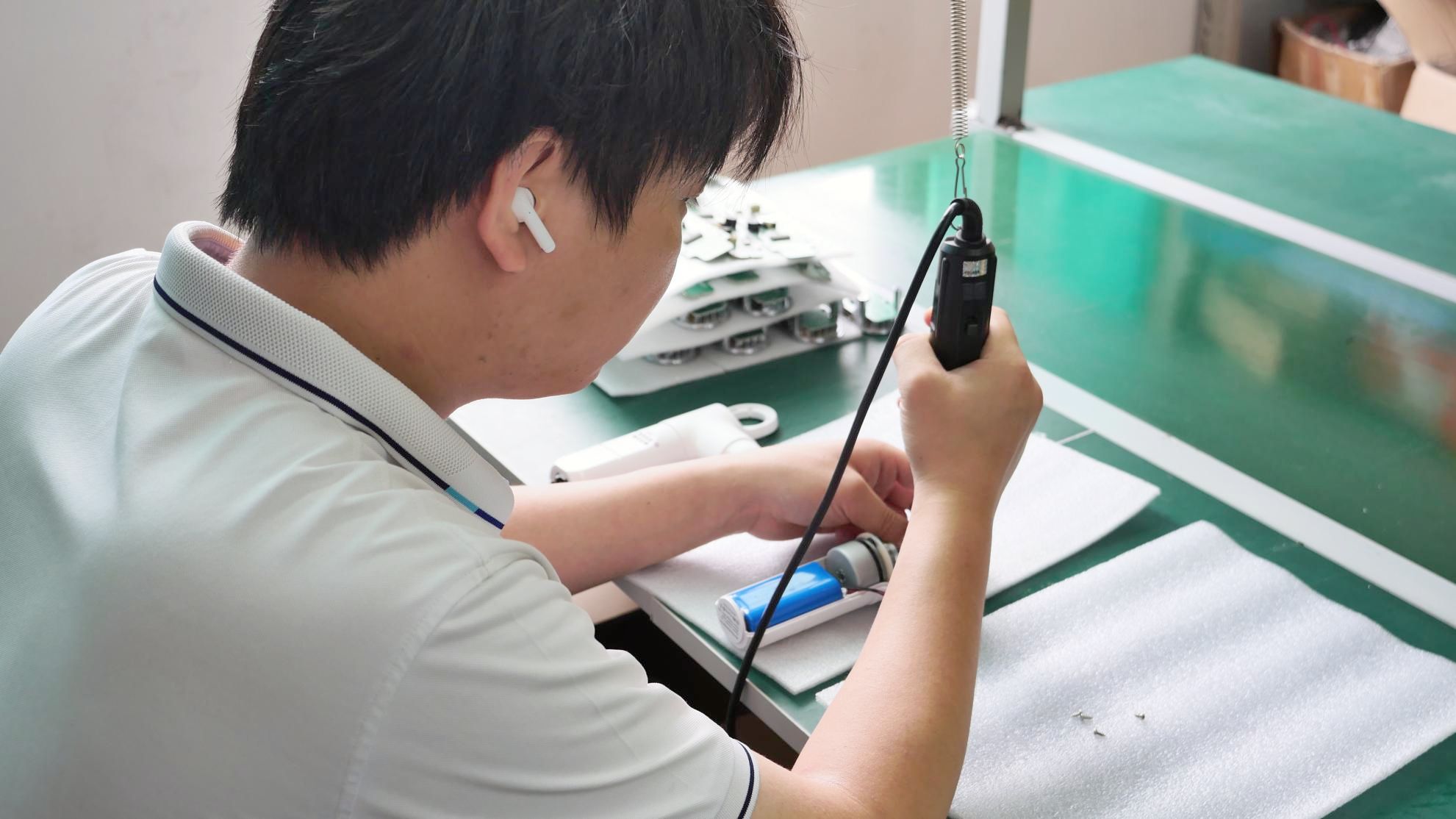
By utilizing computerized milling, state-of-the-art EDM (Electrical Discharge Machining), and automated plastic injection systems, we reduce mechanical error and improve production cycles. We support comprehensive OEM, ODM, and OBM services, offering flexible customization solutions for global partners. Our global footprints span across Europe, North America, Southeast Asia, and the Middle East, establishing a reputation for quality and supply chain resilience.
Sourcing from our primary hub in Guangzhou to Tokyo involves highly efficient logistical pipelines designed to minimize lead times and customs delays. Whether utilizing ocean freight arriving at Tokyo Port (Ohi/Aomi Container Terminals) or air freight targeting Haneda or Narita airports, our logistics team coordinates every step:
Clear answers regarding certification, manufacturing customization, logistics, and technology integration.
Explore our comprehensive catalog of sonic, ultrasonic, and thermal facial devices engineered for international export.
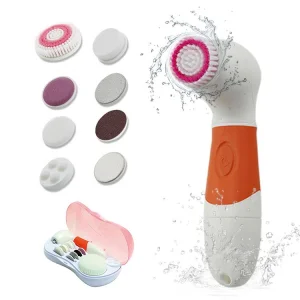
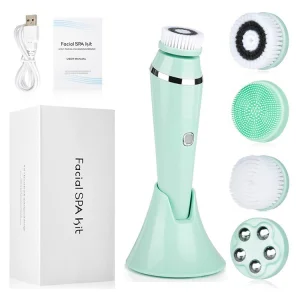
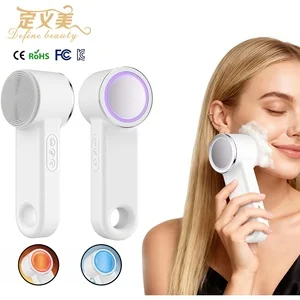
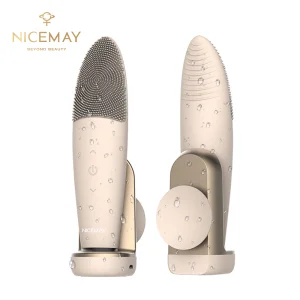
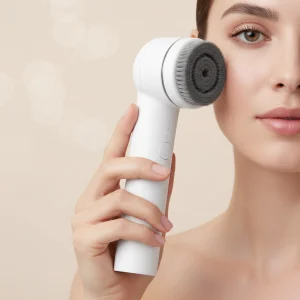
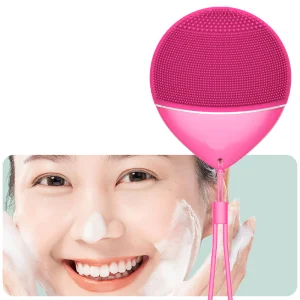
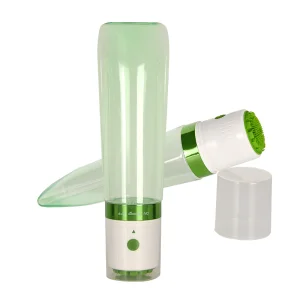
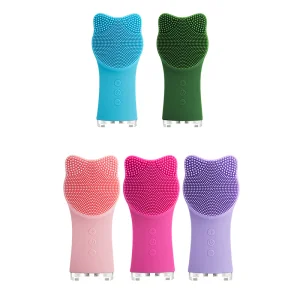
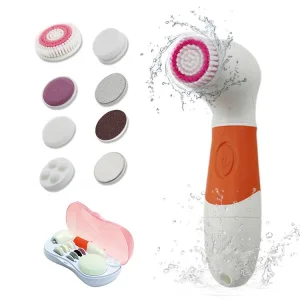
Partner with Guangzhou Luminor Beauty Co., Ltd. for clinical-grade beauty devices, customized branding, and reliable manufacturing cycles.
Send Inquiry Now Luminor Beauty