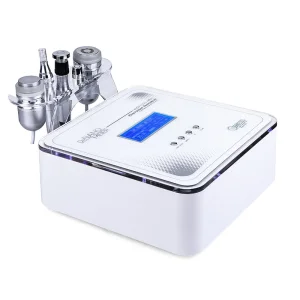
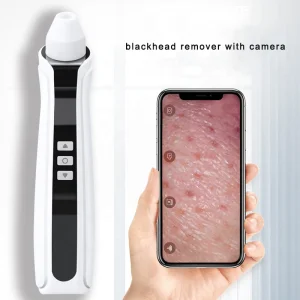
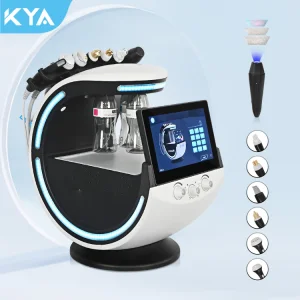
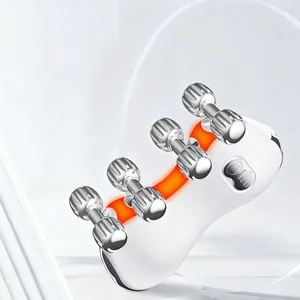
The global demand for photomedicine, specifically LED therapy tools and photobiomodulation (PBM) devices, has experienced exponential growth. Driven by clinical validation in dermatology, neurology, and pain management, professional buyers require high-efficiency solutions with verified spectral precision. When looking for the top 10 LED therapy tool factories, sourcing directors look beyond assembly lines to find comprehensive partners that integrate optical physics, engineering, and manufacturing compliance.
Navigating international exports requires a deep understanding of device metrics like irradiance, energy density (fluence), thermal management, and spectral purity. This whitepaper provides a comprehensive overview of top exporters, market dynamics, and procurement benchmarks to guide smart sourcing decisions.
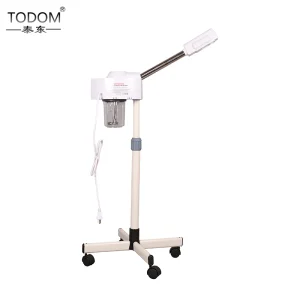
Explore the foundational hardware solutions utilized by global medical spas, clinics, and consumer brands.
Global B2B procurement managers, clinical directors, and beauty brands face complex technical challenges when importing photomedicine devices. Choosing a partner based only on unit cost can lead to compliance issues, variable LED wave stability, and early thermal decay.
Clinical efficacy requires specific spectral output (e.g., 415nm for acne, 630nm for collagen, 830nm for deep healing) with a tolerance of just ±5nm. Lower-tier manufacturers often use wider-band chips that yield limited clinical results.
High-output LEDs generate significant heat. Standard aesthetic devices without proper heat dissipation run hot, degrading the LEDs and reducing irradiance over time. Advanced manufacturers prioritize thermal engineering.
Entering markets like North America and Europe requires strict compliance, including FDA 510(k) clearances, CE Medical MDR, and RoHS certification. Top exporters provide comprehensive documentation to simplify custom clearance.
Guangzhou Luminor Beauty Co., Ltd. was founded over 12 years ago and is a comprehensive enterprise integrating R&D, manufacturing, sales, and after-sales service. The company specializes in the field of aesthetic medical and beauty devices, and has gradually expanded its product portfolio to include both professional-grade equipment and home-use beauty devices.
With a commitment to innovation, safety, and user experience, Luminor Beauty aims to provide high-quality, reliable, and convenient aesthetic solutions for both global beauty professionals and family users.
Guangzhou Luminor Beauty Co., Ltd. has established a strong and complete industrial chain system. The company is equipped with an independent R&D team of more than 20 experienced engineers and researchers, continuously focusing on optical, RF, ultrasonic, and other advanced beauty technologies.
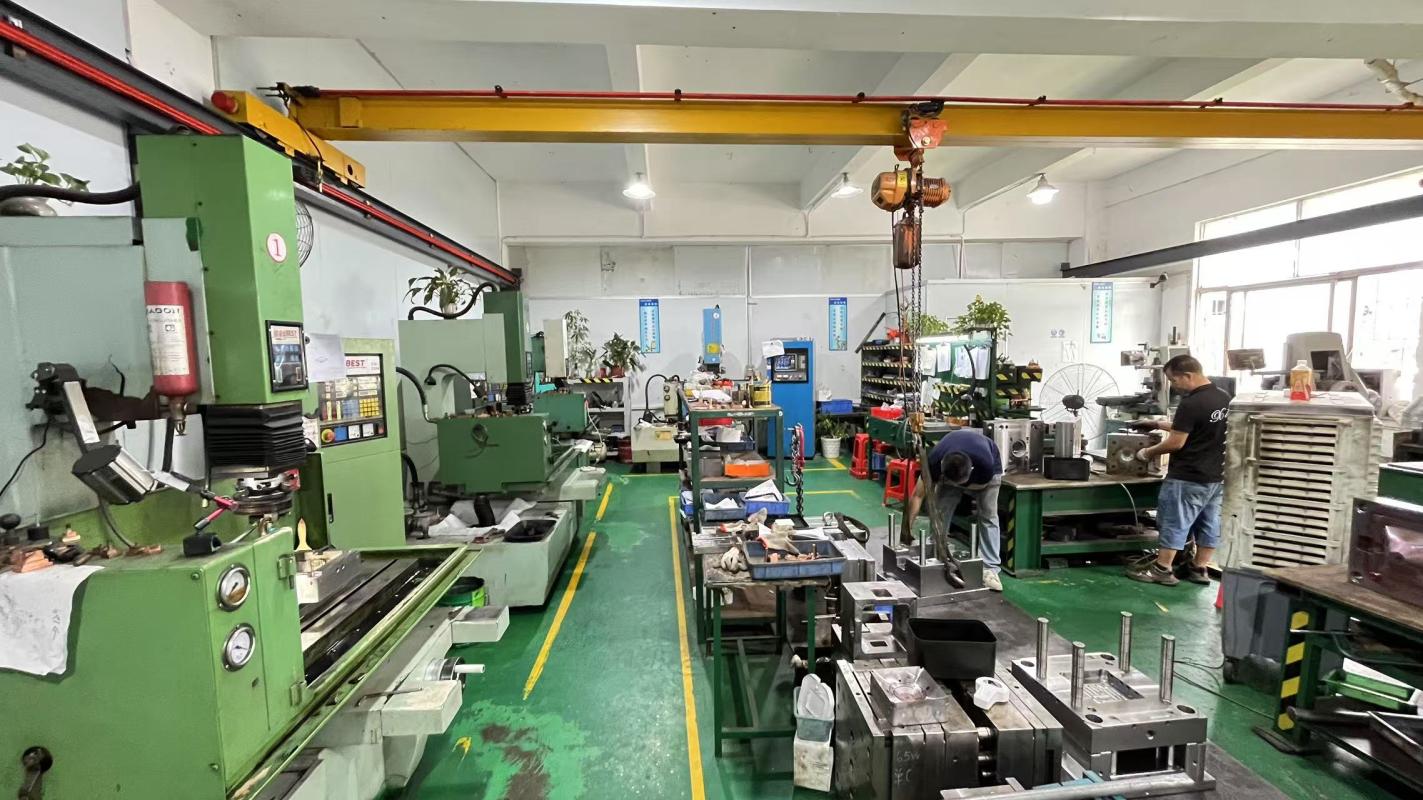
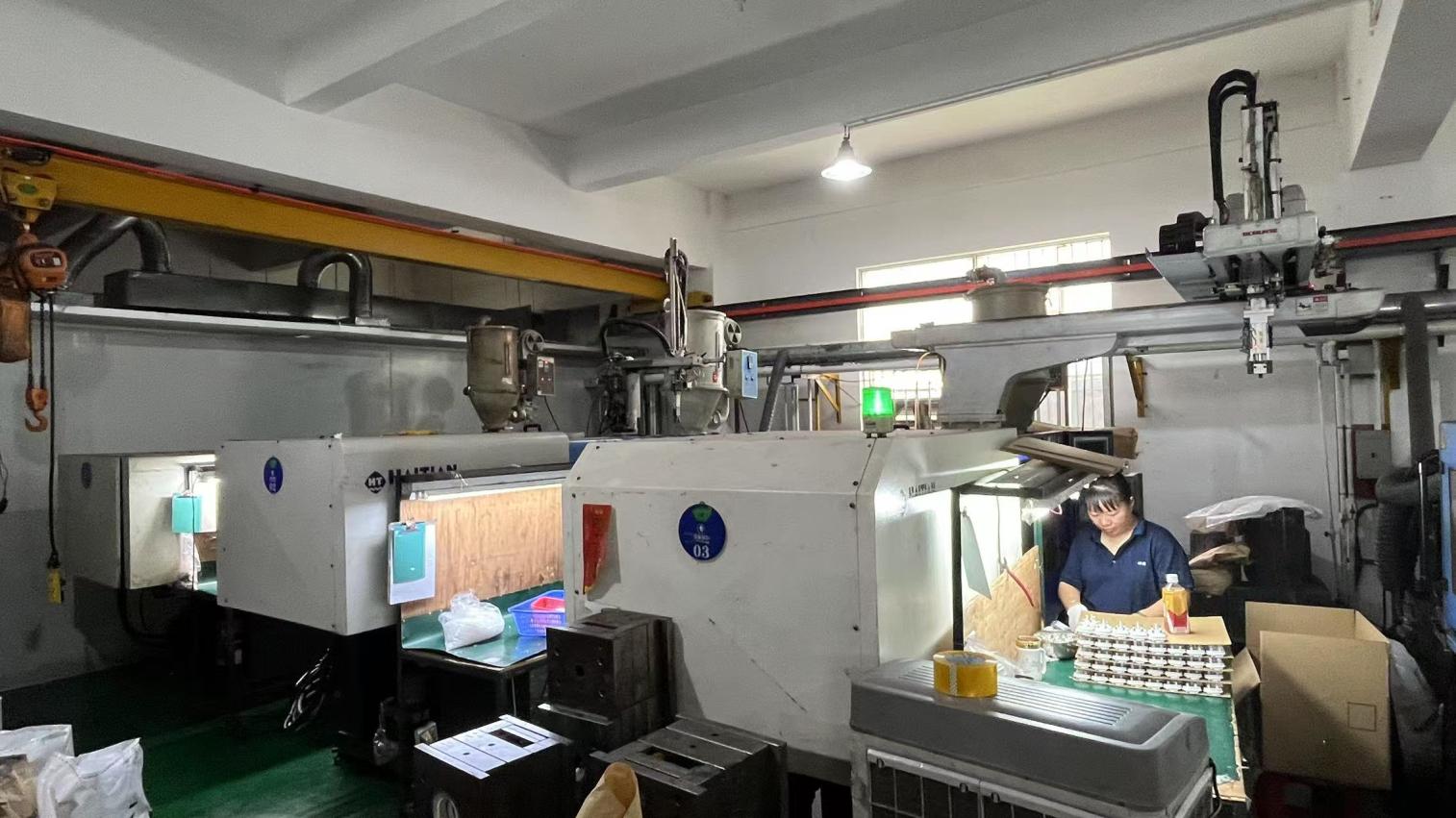
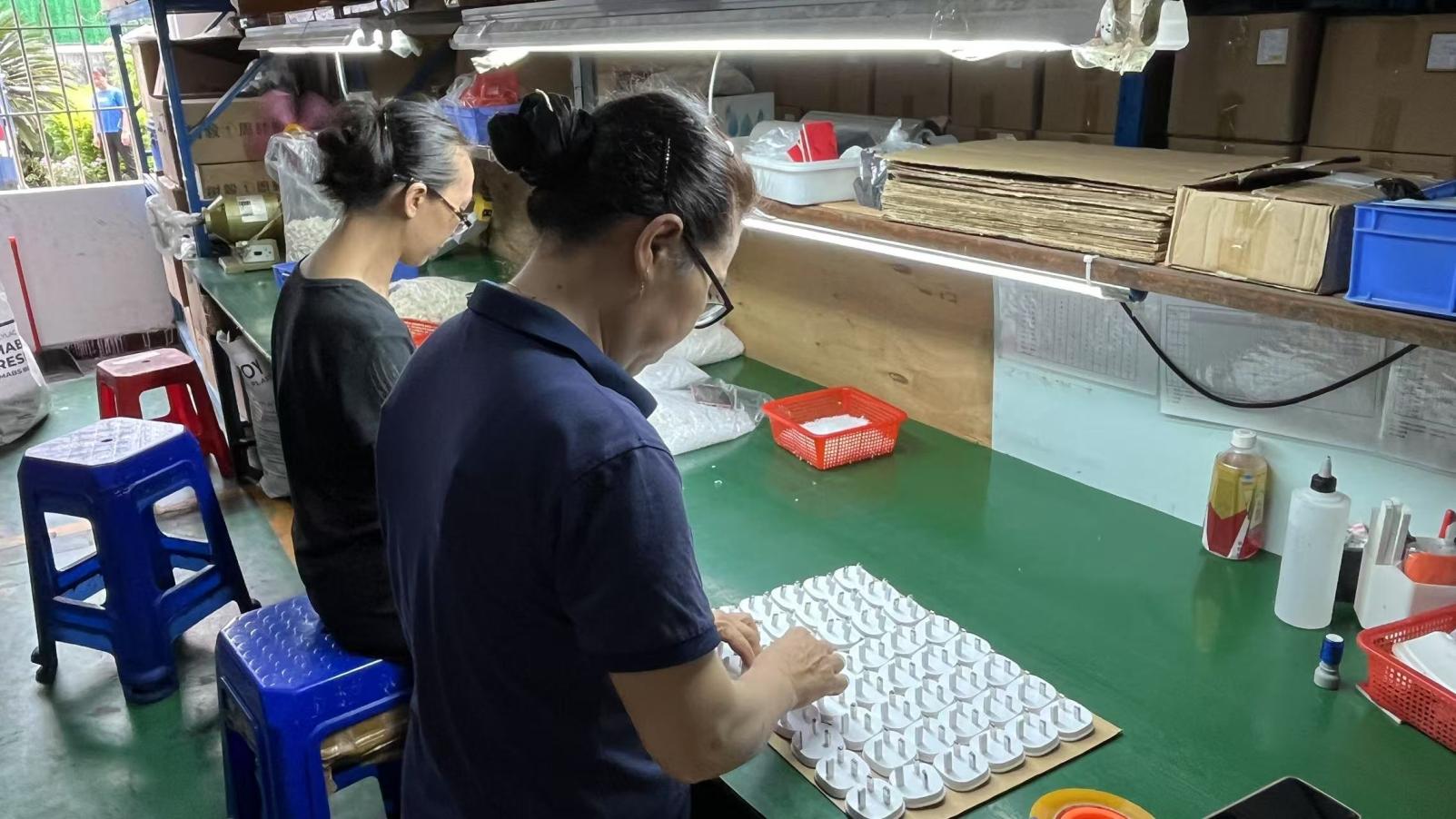
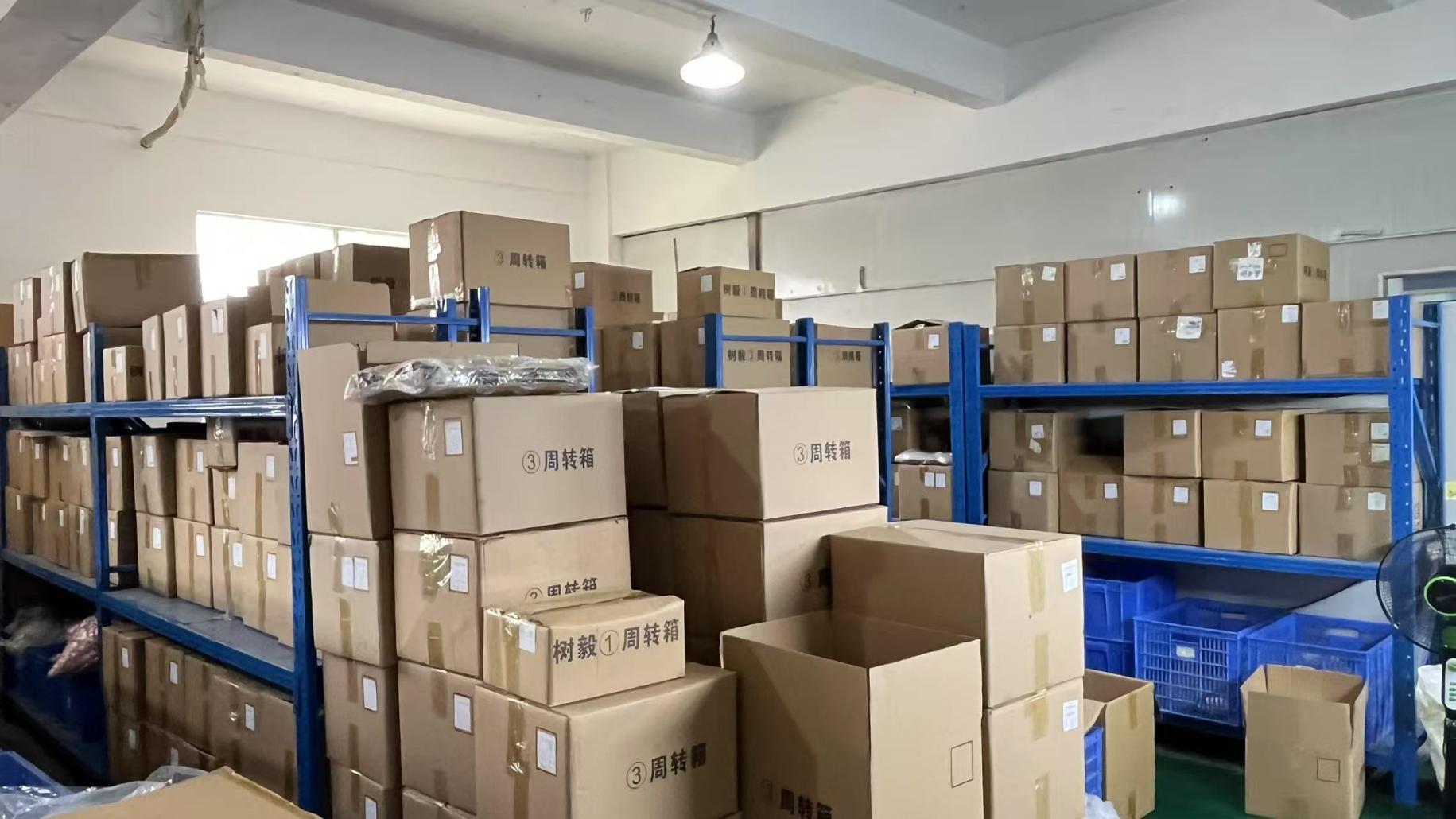
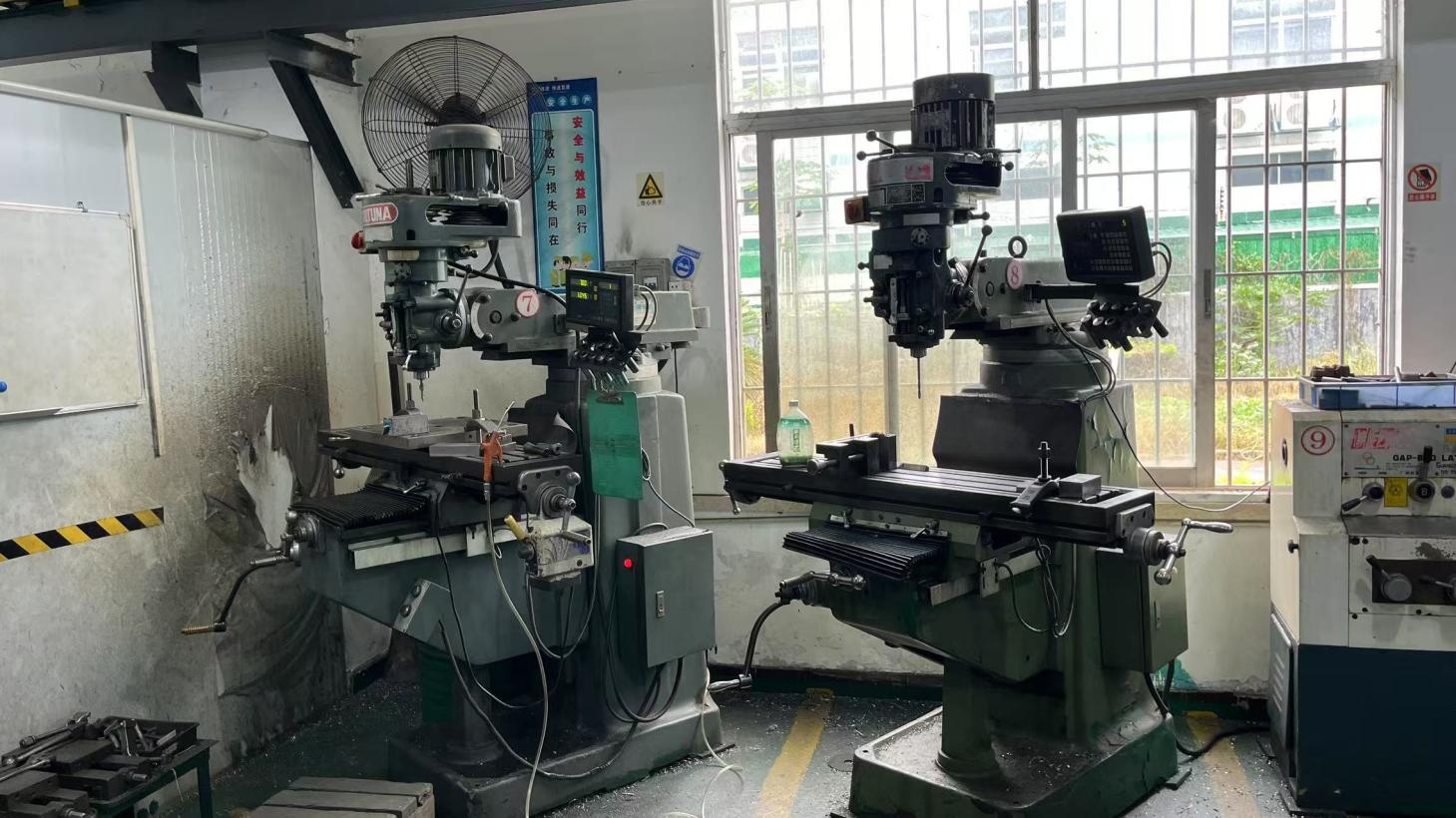
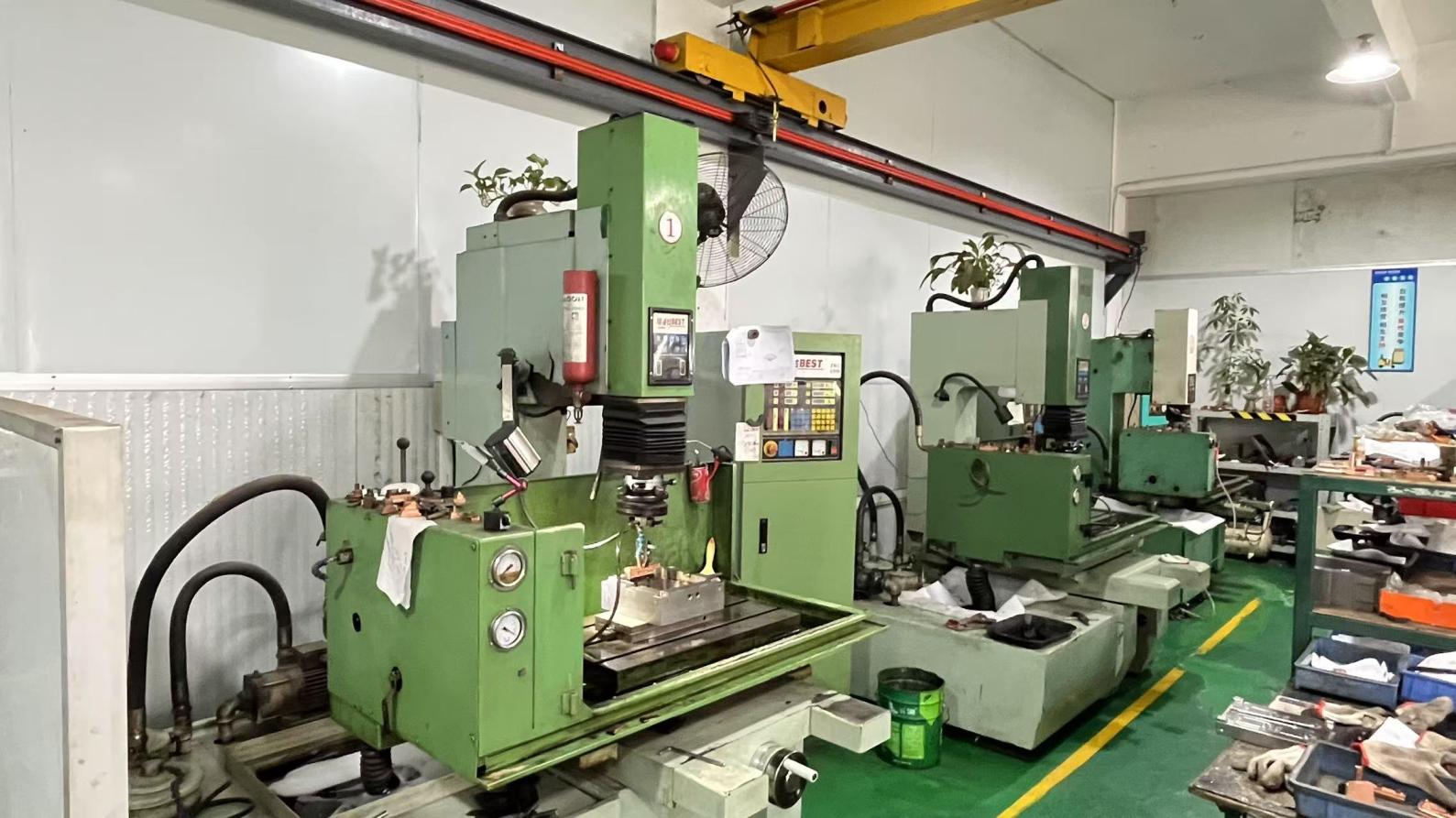
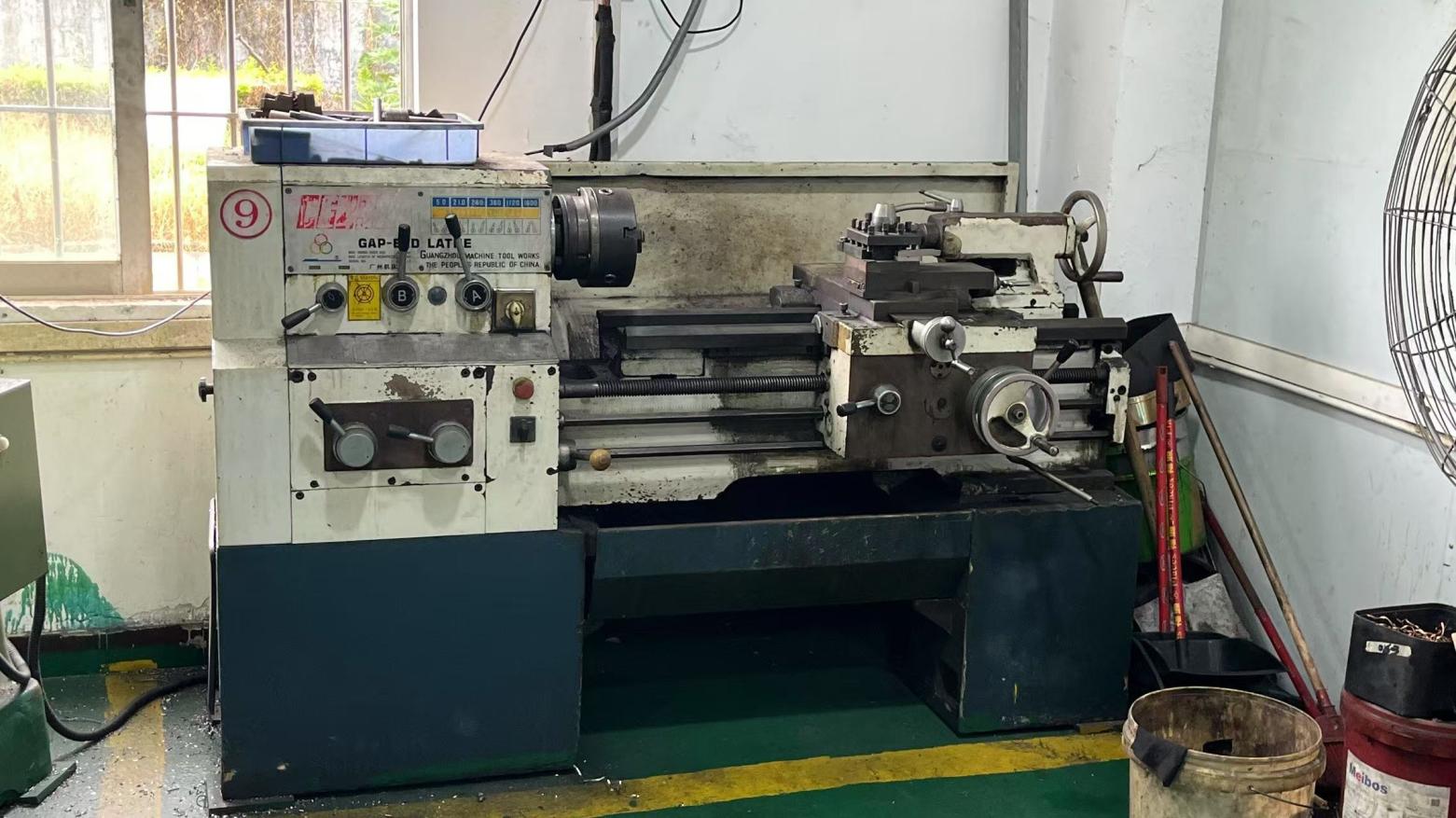
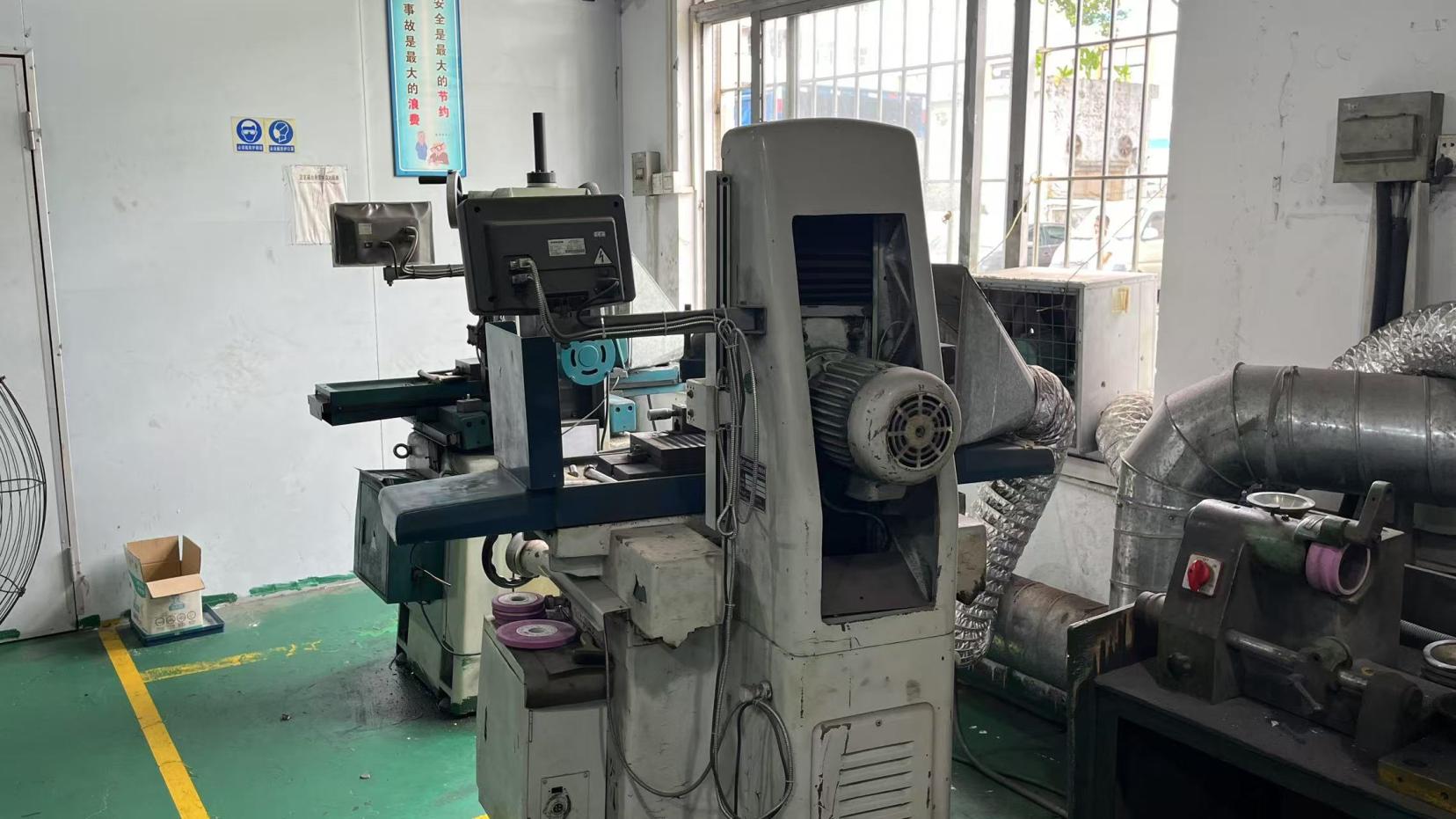
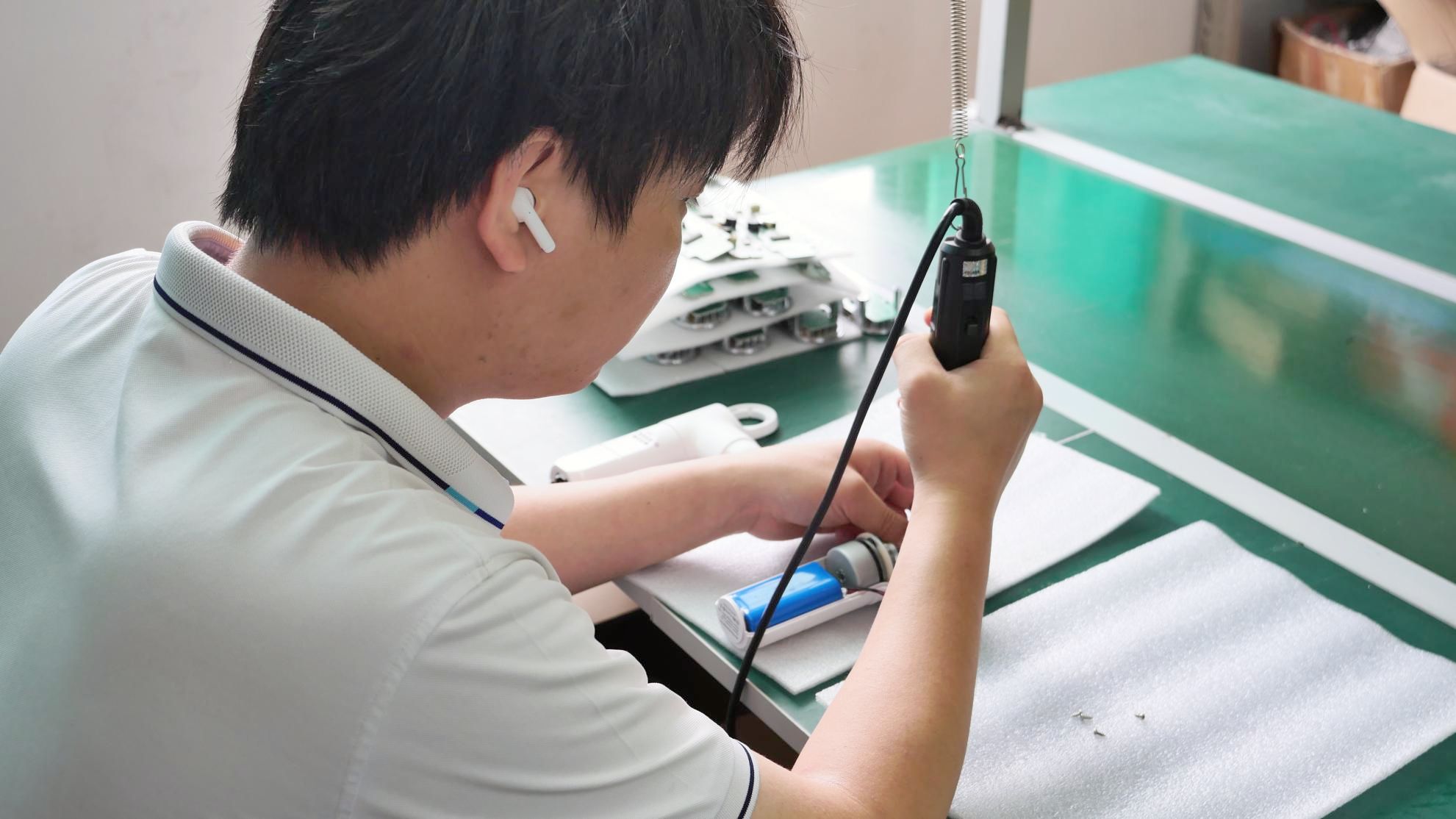
Its production base covers over 4,000 square meters and includes more than 20 modern production lines, supported by a dedicated in-house mold manufacturing department. This allows the company to maintain strict control over product precision, consistency, and innovation speed.
In addition, the company supports comprehensive OEM, ODM, and OBM services, offering flexible customization solutions for global partners. Its products are exported to Europe, North America, Southeast Asia, the Middle East, and other international markets, earning a strong reputation for quality and reliability.
To ensure product safety and compliance, Luminor Beauty implements strict quality control standards throughout the entire production process, including raw material inspection, production monitoring, aging tests, and final product certification.
Building on over a decade of expertise in aesthetic medical equipment development, Guangzhou Luminor Beauty Co., Ltd. has conducted in-depth research into the evolving needs of home beauty users worldwide.
The company has successfully developed a series of home-use aesthetic devices designed with simplified operation systems, ergonomic structures, and enhanced safety protections. These devices are engineered to allow non-professional users to achieve salon-like results conveniently and safely at home.
To further improve user experience, the company also invests in intelligent features such as preset treatment modes, smart energy control, and user-friendly interfaces. At the same time, it provides comprehensive after-sales support, including usage guidance, training materials, and remote technical assistance. Through continuous innovation and user-centered design, Luminor Beauty is committed to making professional beauty technology accessible to every household.
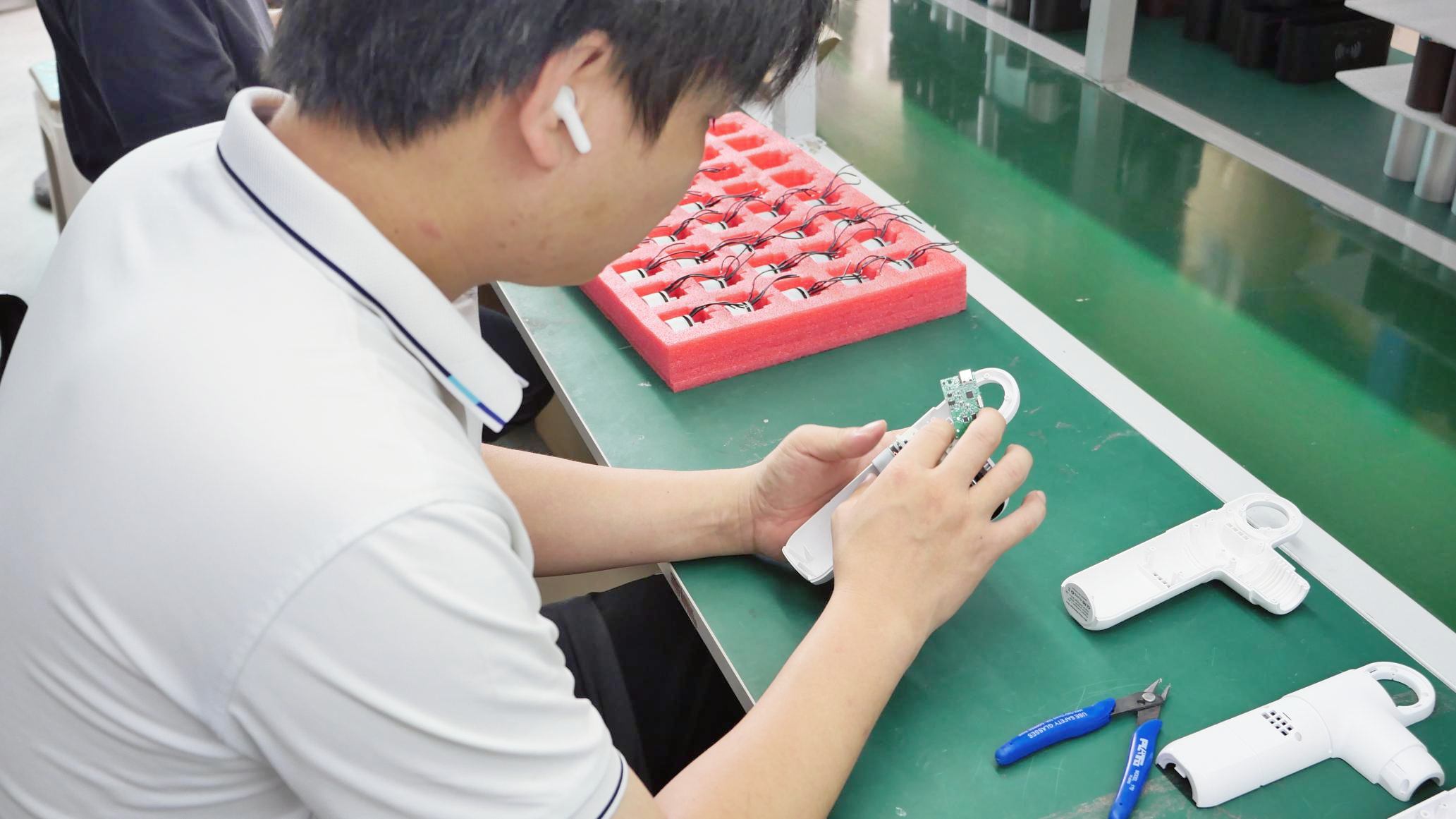
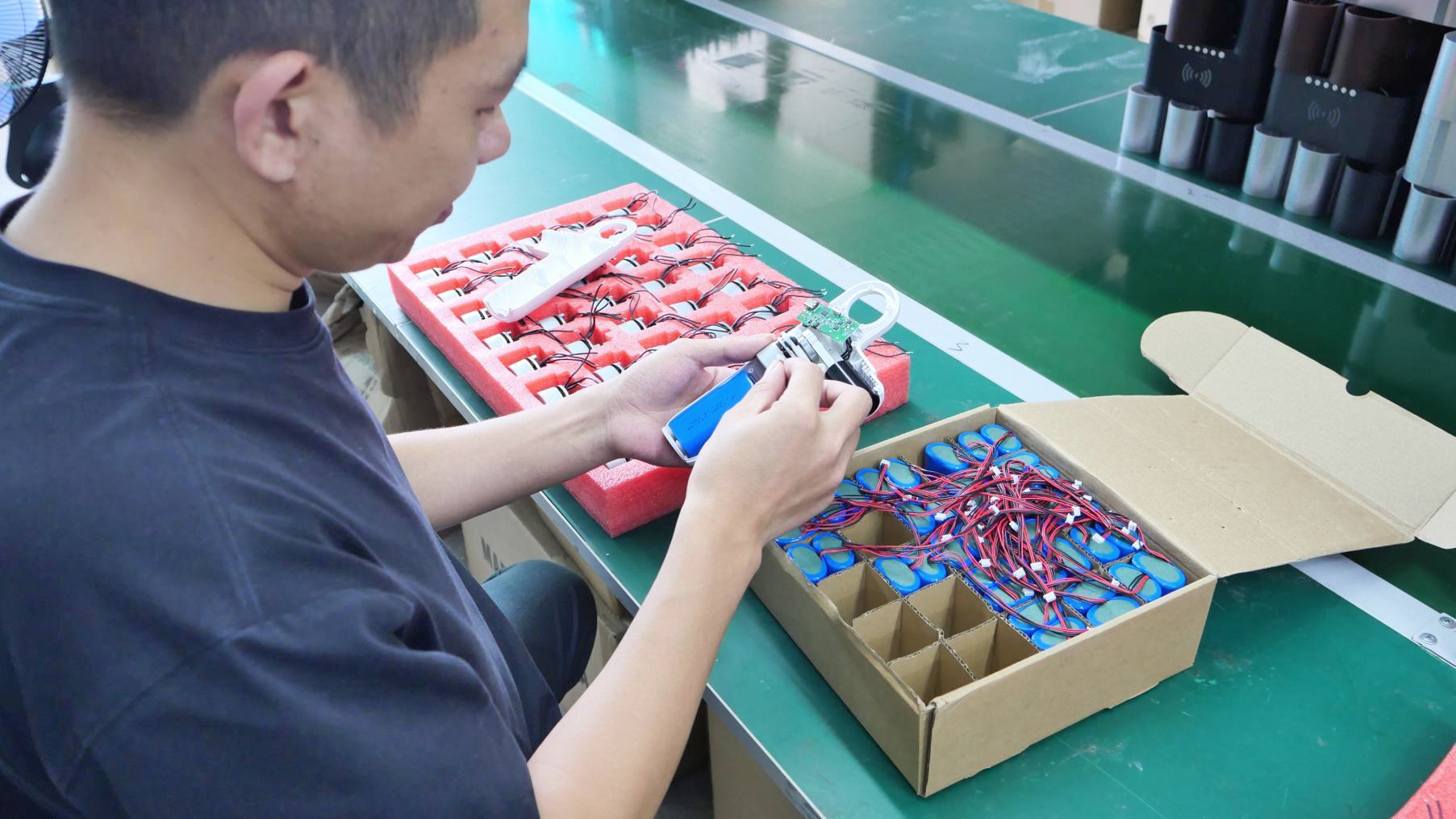
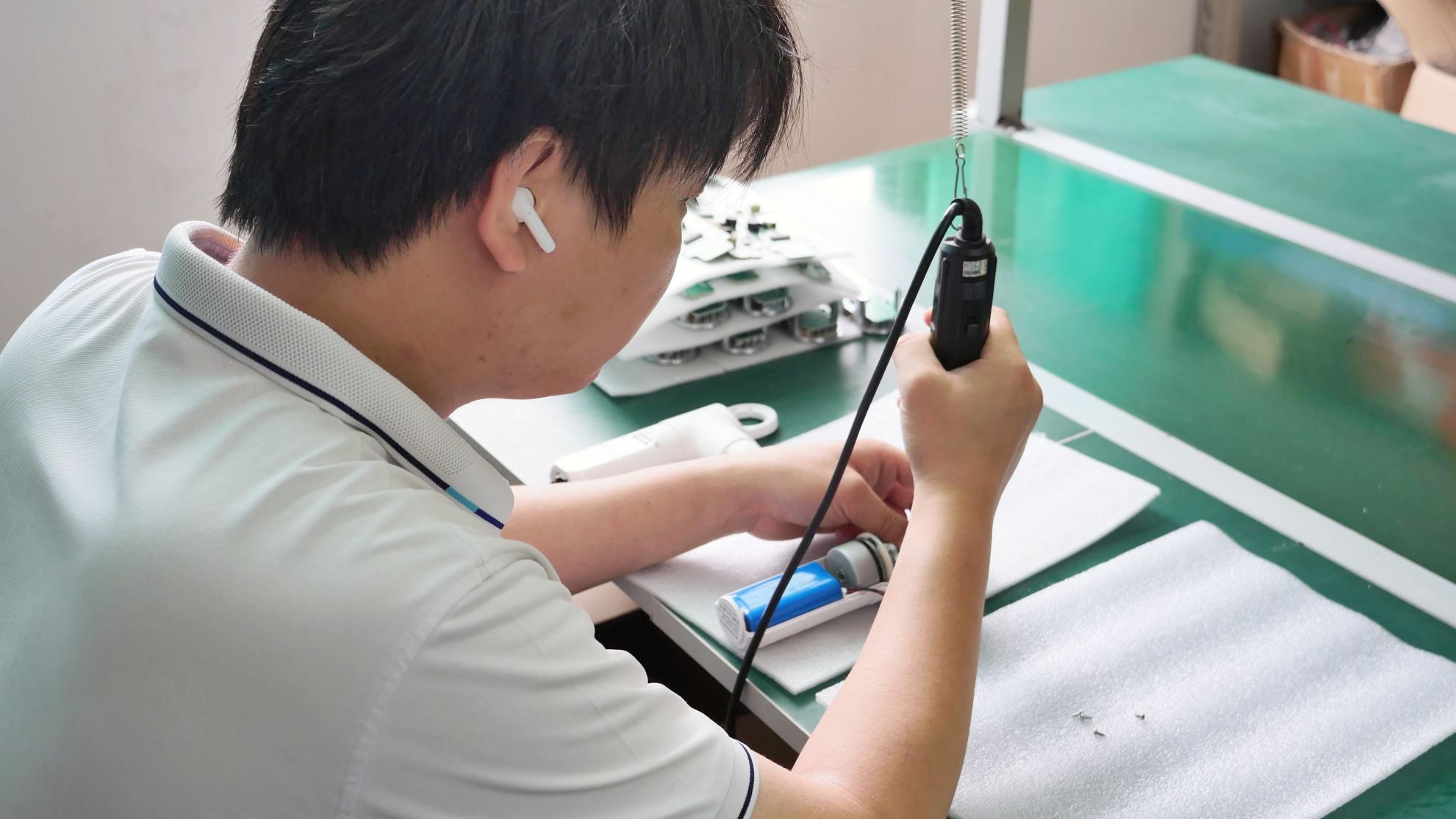
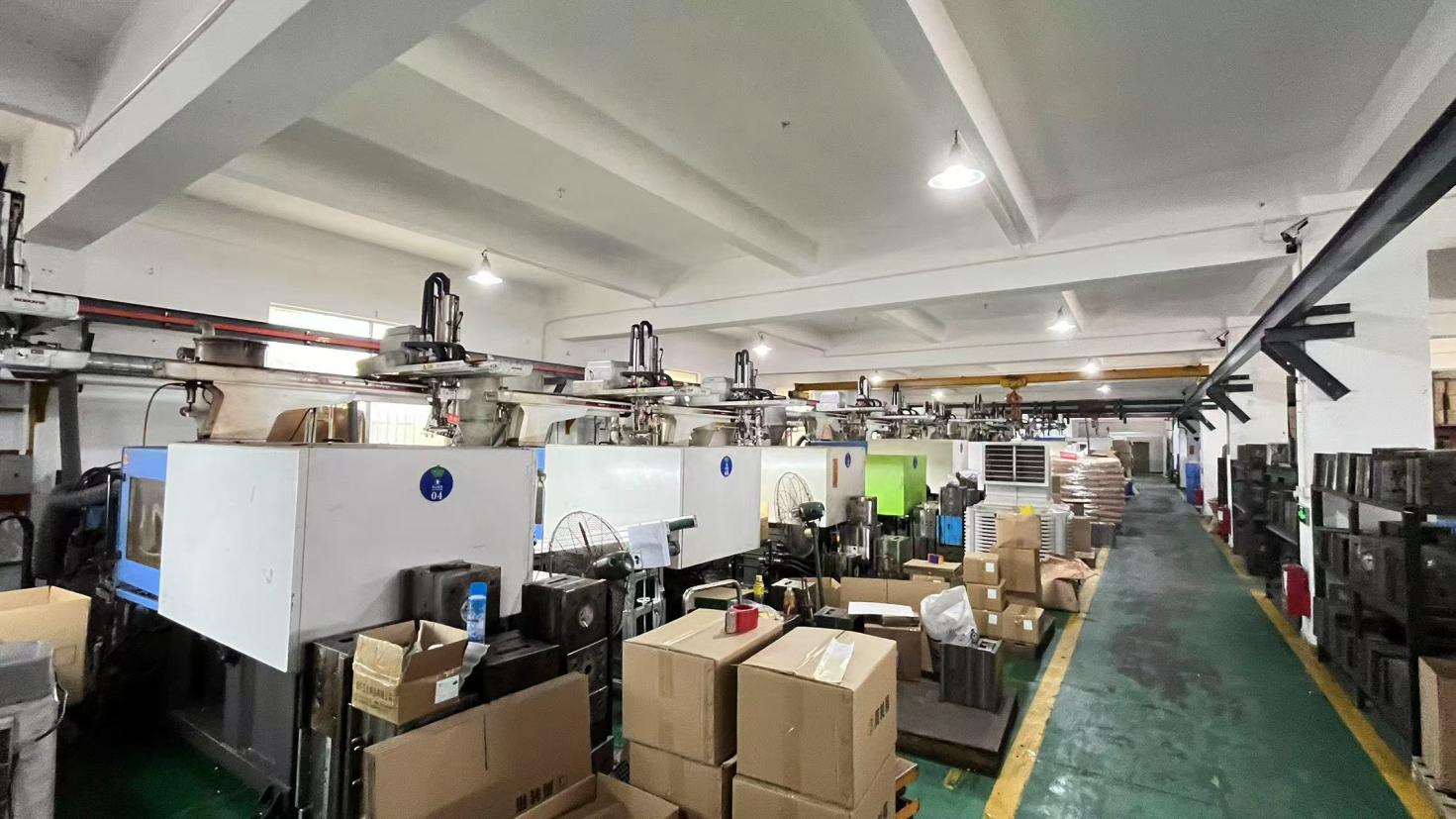
The LED therapy industry is transitioning from simple light arrays to intelligent, adaptive systems. Modern manufacturing lines prioritize multi-frequency targeting and real-time biometric feedback to optimize treatment outcomes.
Integrating dynamic pulsing frequencies (such as Nogier frequencies) helps reduce cellular accommodation, allowing target tissue to remain responsive to light therapy over extended sessions.
Built-in sensors measure skin distance and adjust the power output in real time, helping prevent thermal damage and ensuring a consistent optical dose.
Moving from rigid plastic shells to flexible, food-grade silicone arrays allows devices to better conform to body contours, reducing the air gap to maximize light penetration.
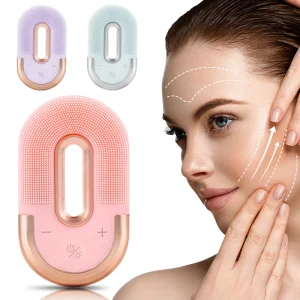
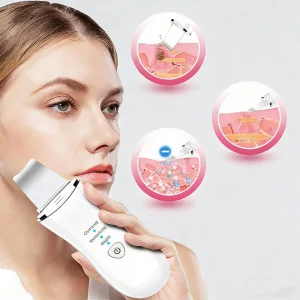
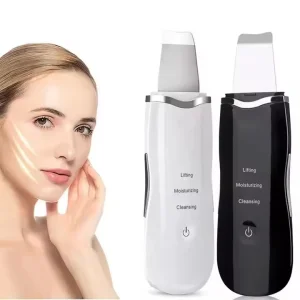
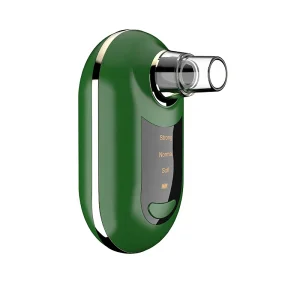
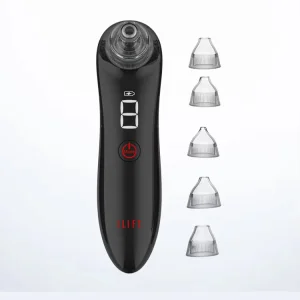
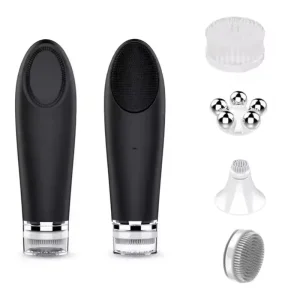
Advanced skincare devices designed for deep cleansing, sonic exfoliation, and targeted thermal skincare routines.
Audit procedures for overseas factories should look at more than basic capacity. To help B2B buyers verify quality, our engineering division has outlined critical checkpoints for the supplier evaluation process:
Verify if the factory has a darkroom with a spectroradiometer and integrating sphere. Manufacturers should provide detailed reports showing spectral power distribution, dominant wavelength, and spatial distribution mapping. Testing ensures the light output matches clinical targets.
High junction temperatures shorten LED lifespan. Tier-1 factories use thermal imaging during the prototype and QA stages to verify that PCB temperatures remain well within safe operating limits during continuous use.
For products that contact skin or use micro-needles, the assembly environment is critical. Working with a factory that maintains cleanroom environments helps prevent biological contamination during production.
Technical answers to common questions about sourcing LED therapy tools.
 Luminor Beauty